


Google is beginning to map out Gemini for Home’s international journey, with the generative AI experience that takes over Assistant in the Google Home ecosystem headed to Canada next.
The rollout is still Early Access, but the company says that support for French will come early in 2025, which amounts to its first firm step outside of the United States.
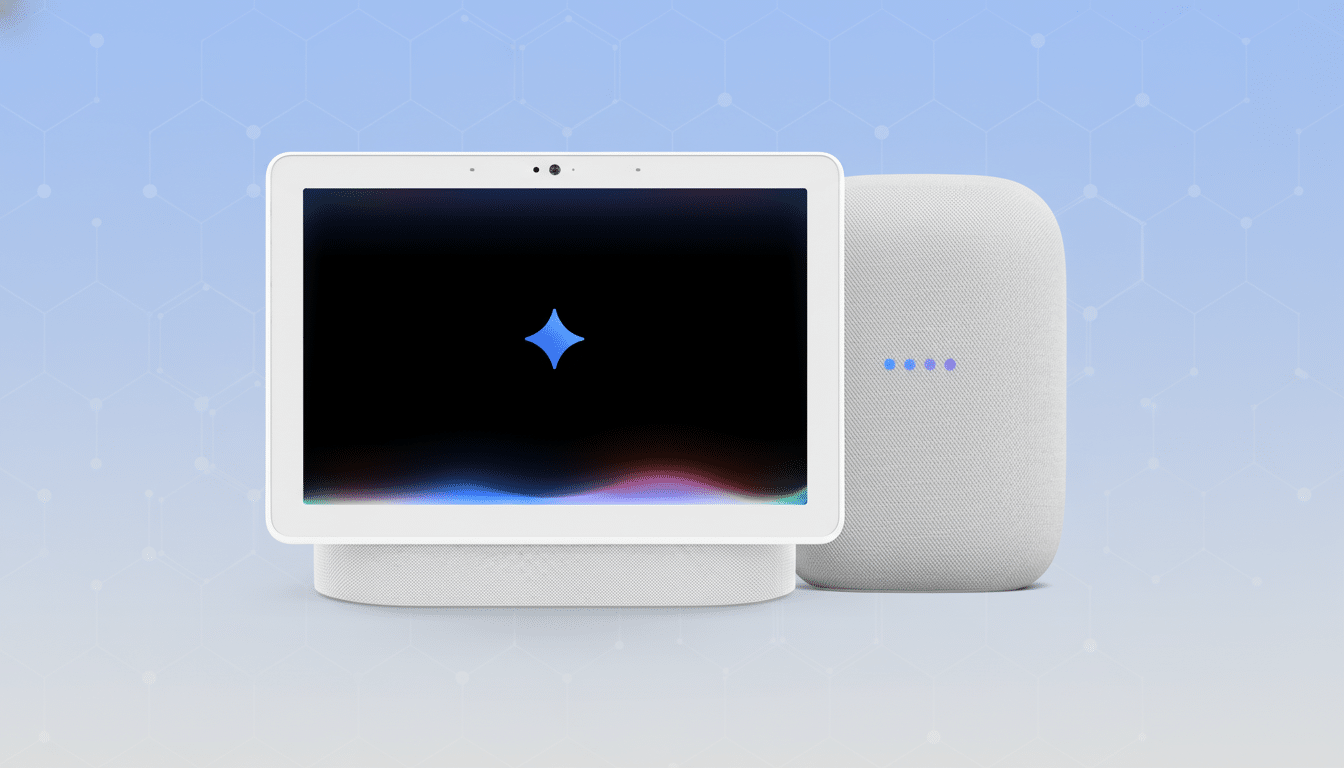
Beyond the US, Early Access to Gemini Spreads
For some users who opt in, Gemini for Home has gradually replaced the standard Google Assistant experience, with availability picking up in recent weeks for US accounts. “Canada, we are coming,” said a senior product lead for Google Home and Nest on X who added that bilingual support is currently in the works — an important consideration in one of the next markets planned, where English and French are part of daily life.
Though still Early Access–tagged, the shift shores up a key area of interest for smart home owners yet to reside in the US: when exactly does Gemini rock up, and which languages can it speak? By naming Canada in this explicit fashion — and leaving an opening for French — the company signals that it will take a phased, language-first approach rather than simply flipping one global switch.
The Implications for Google Home Users
Gemini for Home puts these latest conversational AI models from Google in device control, household routines, and contextual inquiries. In practice, that should result in more natural follow-ups (“dim the lights a bit more” after an initial command), more intelligent scene creation, and richer responses on smart displays. That promise is an assistant that knows what room of the house you’re in, which devices it should actually control, and the intent behind complex multi-step commands.
The transition hasn’t been entirely smooth. Early adopters have reported misfires with reminders, media controls, and certain household chores — problems that are perhaps unsurprising considering that the Assistant is transitioning from decades of rule-based behavior to a generative model approach. Google has recognized community feedback in product forums and is still iterating, but a number of rough edges should be anticipated during the Early Access period.
Basic device control is still home-based, with support for Matter and Thread where possible, so smart lights, thermostats, and plugs should operate as they did. The more day-to-day difference is the conversational layer on top: Gemini is supposed to minimize rigid phrasing, allowing instead for flexible, context-aware commands across Nest speakers and displays.

Why Canada Is a Testing Ground for Bilingual AI
Canada’s bilingual character also makes it an interesting testing ground for language expansion and code-switching. Some 18% of Canadians reported being able to speak English and French, according to Statistics Canada, and many households transact in both languages. If you make sure Gemini recognizes regional accents, idioms, and household names in English and French, it will be a good sign indicating you are well-prepared for larger-scale multilingual rollouts.
The nation also closely reflects US smart home trends. Less than a quarter of adults own a smart speaker in the US, according to Pew Research Center, but Canadian growth has kept pace with that of the US in most retail and carrier channels. That’s a large base of Nest speakers and displays in homes ready to pioneer how generative AI will alter everyday device controls and, by extension, family habits.
What This Means for Features and Privacy
The chief practical questions for users are feature parity. Will Gemini match or surpass Assistant for the basics, like broadcasting, shopping lists, and multi-user voice recognition? Google’s recent messaging indicates that fundamental household features are being built with Gemini’s context engine, but it is focused on stability and language coverage before declaring complete parity.
There’s also data governance to consider with international expansion. The Canadian rollout offers an opportunity to test how Gemini for Home handles consent, voice profiles, and on-device processing in a market with strong privacy expectations. Any foray into the EU will bring even more regulatory hurdles to cross with GDPR, and then new digital market responsibilities, so Canada can be an intermediary step in implementing best practices around policies and transparency.
What Comes Next for Gemini for Home in Canada
Expect Google to slowly roll out the feature, focusing on languages and regions where smart home adoption is high and that require bilingual or multilingual support. English-first launches and local-language additions — like French in Canada — provide a template for Europe or parts of Asia.
If you’re in Canada, keep an eye out for an Early Access invitation in the Home app as availability expands. And as with any opt-in preview, you can typically turn back if important features aren’t ready for your household. In the meantime, please take from it what you will (Gemini for Home is a US pilot and one of our early models of an actual true international rollout plan ahead) — with Canada as the starting point, followed by multilingual capabilities not far behind.
