


Google has locked in the schedule for its flagship developer conference, confirming that I/O 2026 will unfold over two days at the Shoreline Amphitheatre in Mountain View with a full program of livestreamed keynotes, sessions, and workshops.
A two-day conference with global reach and livestreams
I/O remains Google’s most concentrated burst of product news and developer guidance each year. While the event is engineered for engineers, it consistently delivers consumer-facing reveals alongside deep technical content, offering a first look at how Android, AI, and the broader Google stack will evolve across phones, wearables, laptops, cars, and the cloud.
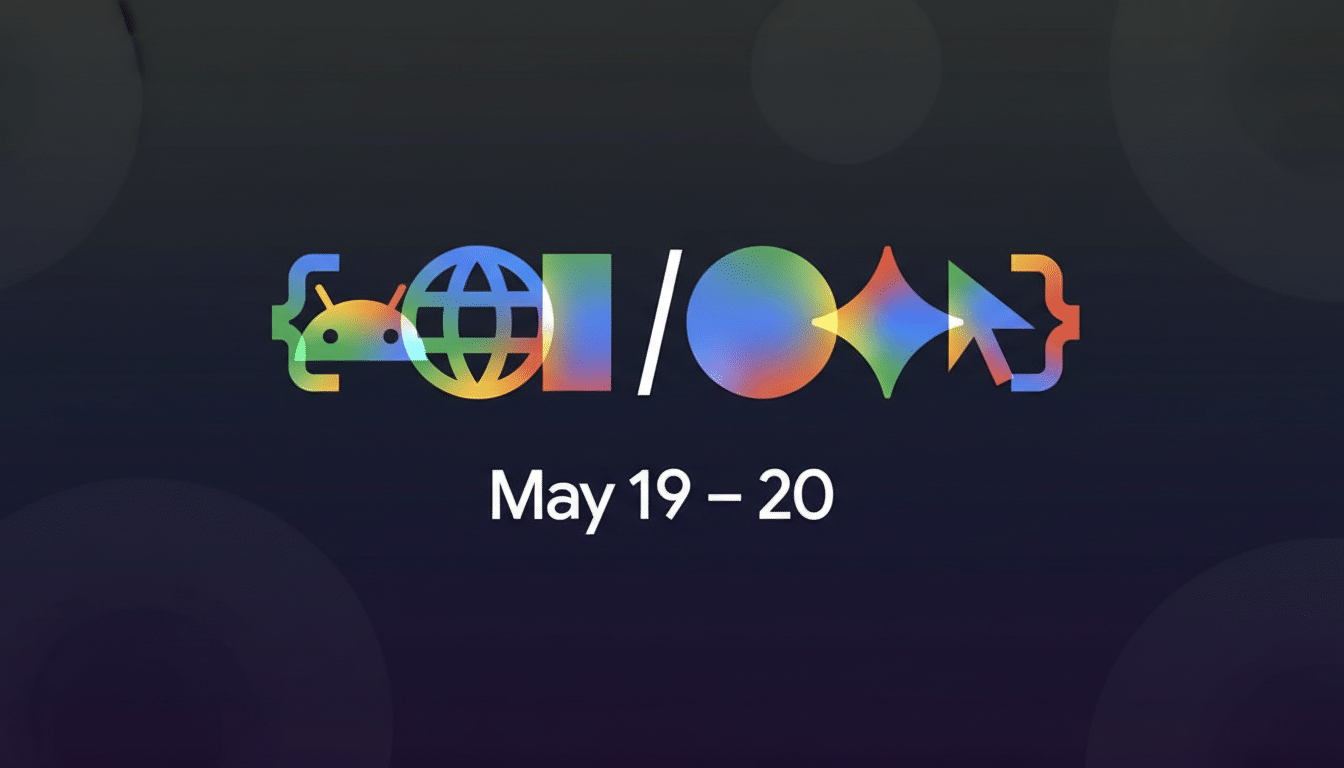
The Shoreline Amphitheatre, a venue with capacity in the tens of thousands, provides a familiar backdrop for the opening keynote and hands-on demos, while the digital program ensures that global viewers can watch in real time and revisit content on demand. Expect the marquee presentation to set the narrative for the year, followed by focused breakouts, codelabs, and Q&As.
The I/O puzzle tradition returns to reveal event dates
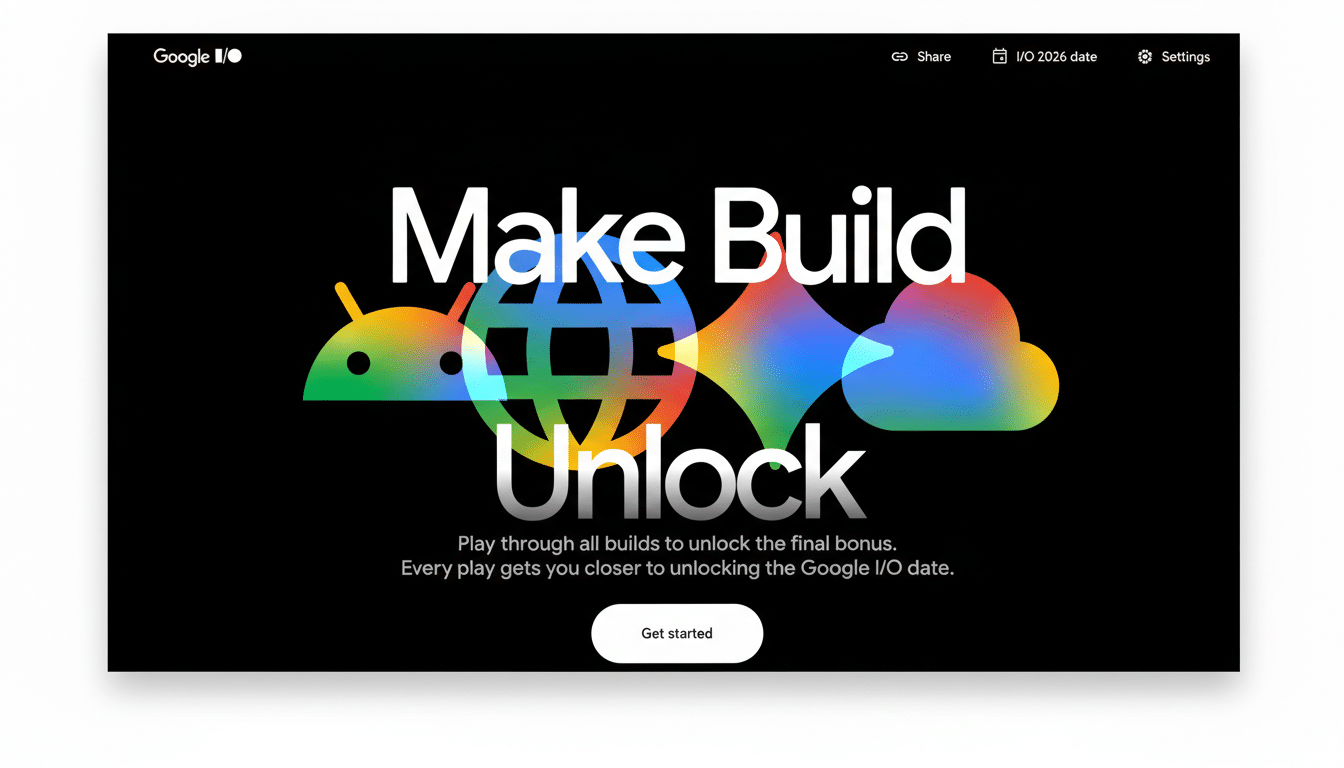
In keeping with a tradition that has endeared itself to the developer community, Google revealed the I/O timeline via a collaborative online puzzle. Participants worked together to unlock clues, culminating in the schedule confirmation once enough completions were logged. It’s a small but telling signal of I/O’s ethos: community-driven problem-solving wrapped in playful engineering.
What to expect across Android and AI at Google I/O 2026
Android will be front and center, with Google poised to detail the next wave of platform capabilities, from privacy and security enhancements to performance gains, power efficiency improvements, and media or camera APIs that OEMs and app makers can adopt. Historically, I/O has also been the moment when beta milestones expand, giving developers broader access to test builds.
AI will be the other tentpole. Expect updates across the Gemini ecosystem, including multimodal models, on-device inference advances for latency-sensitive tasks, and tooling that simplifies integrating AI into apps via standardized APIs and SDKs. For teams focused on reliability, look for clearer guidance on evaluation, safety, and red-teaming practices as AI features move from prototypes to production.
Beyond phones, Google typically uses I/O to spotlight Wear OS health features, Android Automotive integrations, ChromeOS productivity improvements, and web technologies spanning Chrome, WebAssembly, and PWAs. Developer tools like Android Studio, Jetpack libraries, Kotlin improvements, and Flutter updates are strong candidates for stage time, often paired with demos and sample projects.
Why this matters for the ecosystem and product roadmaps
For product teams and startups, I/O’s announcements set the year’s implementation roadmap. Google’s platform choices cascade quickly: a new permission model, a rendering pipeline tweak, or a billing policy change can alter backlogs for hundreds of thousands of apps. With Android running on more than 3 billion active devices according to past developer keynotes, even small shifts ripple across an enormous installed base.
Hardware partners also tune in closely. Guidance on long-term support windows, silicon optimizations, and AI offloading strategies informs decisions for handset and wearable roadmaps. Meanwhile, enterprise IT leaders watch for security baselines, management APIs, and compliance frameworks that shape fleet deployments.
Format details and how to watch Google I/O 2026 sessions
The event spans two days of programming hosted at Shoreline and streamed globally. The agenda typically includes a main keynote, a developer keynote, technical sessions across tracks, workshops, and hands-on demos. Sessions are usually archived shortly after airing, so teams across time zones can catch up without missing critical guidance.
Registration is now open through Google’s I/O site. Attendees can sign in to personalize schedules, bookmark sessions, and receive updates as tracks are finalized. For those not on the ground, the livestream will carry all major segments, and Google’s developer relations teams generally publish code samples, codelabs, and documentation in parallel to accelerate adoption.
Bottom line: the dates are set, the venue is confirmed, and Google’s annual roadmap reveal is imminent. If your work touches Android, AI, or the web, pencil in I/O 2026 and plan to tune in—this is where the next chapter of Google’s platform story comes into focus.
