


Google has confirmed that Android’s Quick Share will extend its AirDrop interoperability beyond the Pixel 10 family, bringing seamless, Apple-compatible sharing to more Android devices. The company says it is collaborating with hardware partners and expects to share more details soon, positioning the move as part of a broader effort to make switching from iPhone to Android easier.
What Google Confirmed About Quick Share and AirDrop
During a press briefing, Eric Kay, Vice President of Engineering for the Android platform, said the team is working to bring AirDrop-compatible Quick Share to “a lot more devices.” He emphasized that Google invested heavily to ensure compatibility not just with iPhone, but with iPad and Mac as well, and that the rollout will involve close coordination with Android manufacturers.
- What Google Confirmed About Quick Share and AirDrop
- Why It Matters for Android Users and Mixed Households
- How the AirDrop-Compatible Rollout Could Work on Android
- Under the Hood and Privacy Considerations
- A Bigger Push to Make Switching from iPhone Easier
- What to Watch Next as Quick Share Expands Beyond Pixel
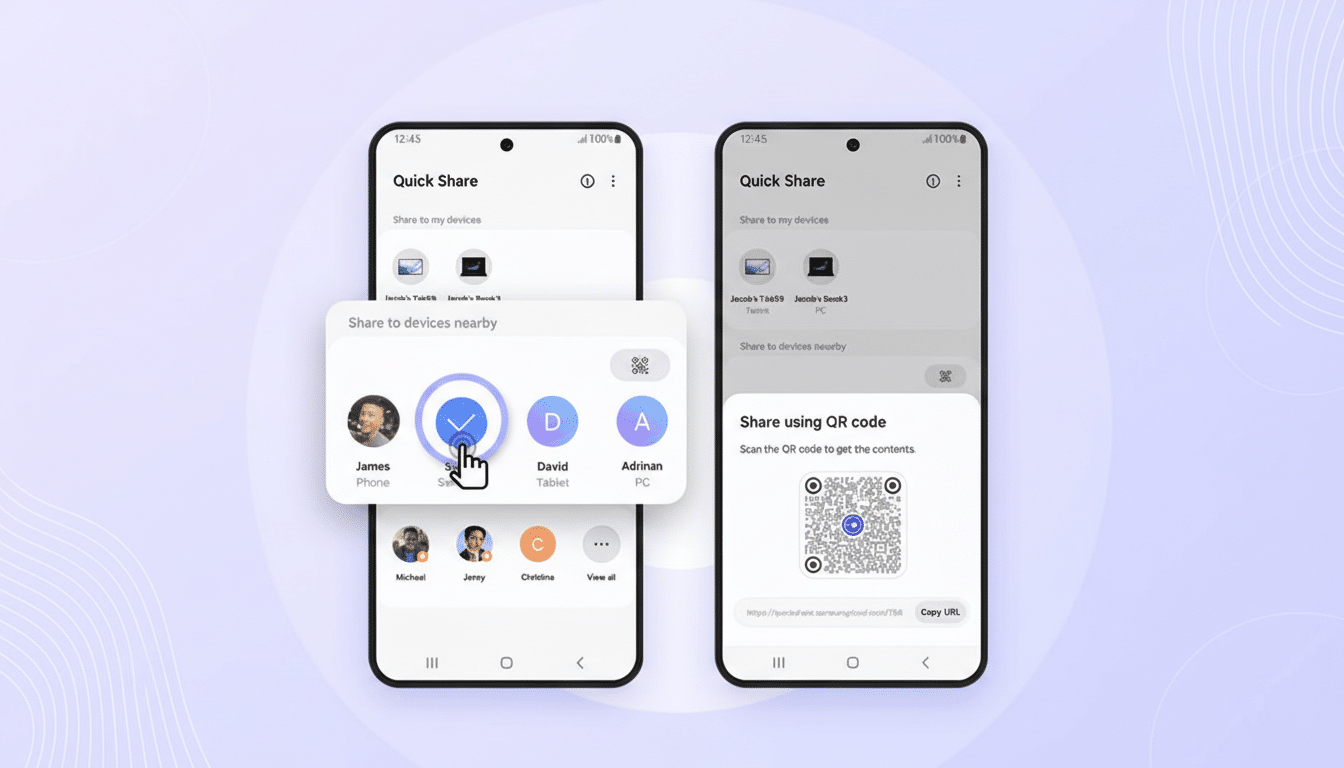
Quick Share’s initial AirDrop compatibility started with the Pixel 10 line, but Google architected the feature to scale. Critically, the Quick Share Extension was upgraded from a system stub to a full Play Store-deliverable component. That packaging choice signaled early on that this wasn’t meant to remain a Pixel-only trick.
Why It Matters for Android Users and Mixed Households
AirDrop has long been one of Apple’s most powerful ecosystem lock-ins. It’s the invisible utility that makes sharing photos, videos, and large files trivial across iPhone, iPad, and Mac. By enabling Quick Share to talk to AirDrop, Google removes a key pain point for mixed-device households and workplaces where not everyone is on the same platform.
The scale at stake is massive. Google has cited more than 3 billion active Android devices worldwide, while Apple has reported over 2 billion active devices. Even a modest uptake of cross-platform local sharing among that combined base could translate into billions of frictionless transfers—especially for high-resolution photos and short-form video that are awkward to send over messaging apps without compression.
For everyday users, that means fewer workarounds. Imagine a classroom where students carry a mix of Android phones and MacBooks, or a creative team capturing footage on an Android flagship and editing on a Mac. Direct device-to-device sharing, with no accounts or cables, has obvious benefits.
How the AirDrop-Compatible Rollout Could Work on Android
The Play Store delivery model gives Google the levers to update Quick Share’s interoperability without waiting for full system updates. That makes it easier for partners to adopt and ship the feature quickly across new and existing models. While Google hasn’t named specific brands yet, one Android manufacturer has already said it’s working on support, and Qualcomm has hinted that Snapdragon-powered phones are in scope—suggesting broad coverage across mid-range and premium tiers.
Expect requirements such as recent Bluetooth and Wi‑Fi chipsets, plus up-to-date Google Play services, since proximity discovery typically uses Bluetooth Low Energy and transfers ride over high-speed Wi‑Fi. OEMs will also need to align on UI prompts and privacy controls to match Apple’s expectations for sender visibility and approval.
Under the Hood and Privacy Considerations
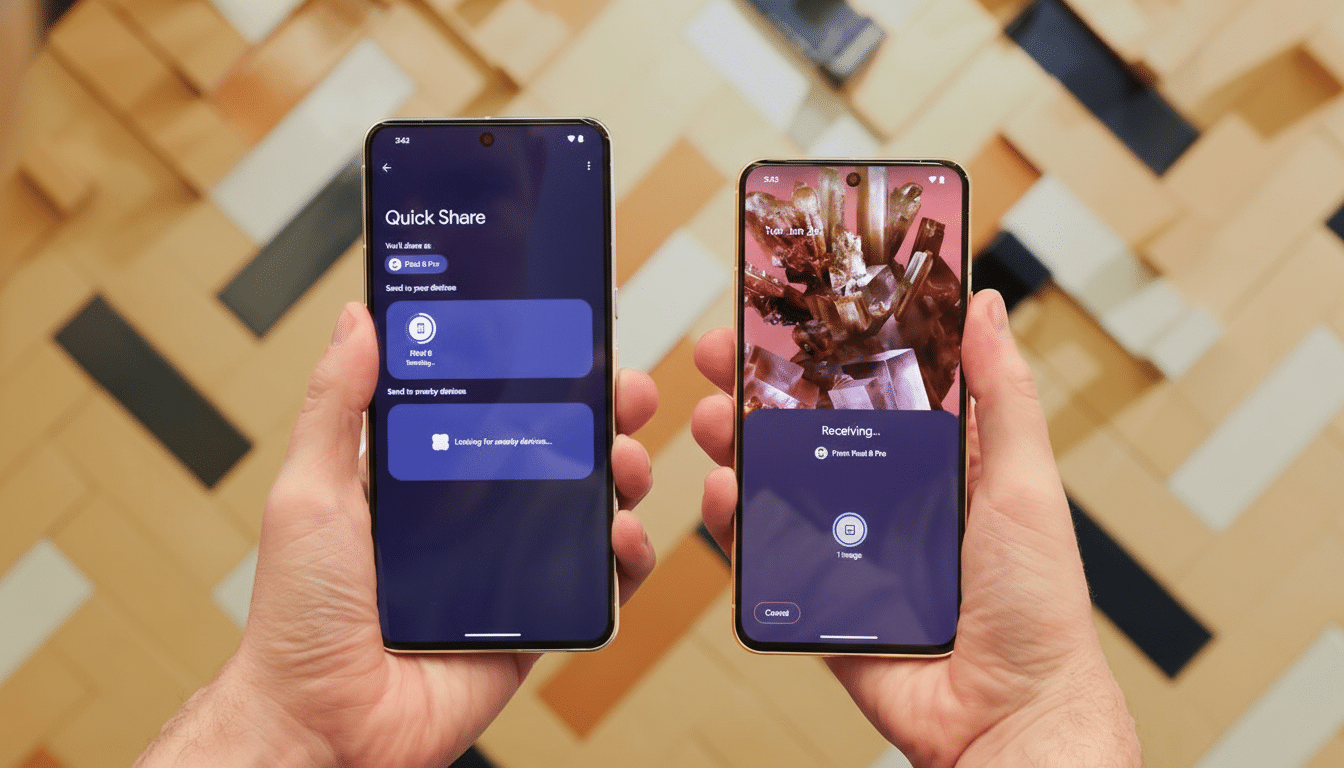
Cross-platform local sharing generally relies on quick device discovery, ephemeral identifiers for privacy, and a secure handshake that spins up a direct wireless link for the actual transfer. While Apple’s stack is distinct from Android’s, Google’s work implies a compatibility layer that negotiates capabilities and enforces user consent on both ends. The aim: tap to share, approve, and go—without exposing personal information or location history.
Security prompts and clear visibility settings (Everyone, Contacts Only, or Receiving Off) will remain important. In enterprise or education settings, administrators may also get policy controls to limit who can receive files and when discovery is enabled.
A Bigger Push to Make Switching from iPhone Easier
Google says the interoperability push is one piece of a larger plan to reduce friction for people moving from iPhone to Android. The company has been working with Apple on a new switching method designed to support more data types, complementing existing tools like the Switch to Android app. When device-to-device sharing works cleanly across ecosystems, moving photo libraries, videos, and large personal files becomes far less daunting.
This effort arrives amid other cross-ecosystem shifts, including upcoming support for richer messaging standards on iPhone. Taken together, these changes point to a future where choosing a phone doesn’t dictate how easily you can collaborate or share with friends and colleagues on another platform.
What to Watch Next as Quick Share Expands Beyond Pixel
Keep an eye on updates to the Quick Share component in the Play Store and announcements from major Android OEMs. The most likely early adopters are newer devices with current-gen radios, but Google’s distribution approach suggests that recent models across multiple brands could be eligible.
If Google and its partners deliver as promised, AirDrop-compatible Quick Share will shift from a Pixel showcase to a core Android capability—removing one of the last everyday advantages of staying inside Apple’s walled garden and making mixed-device living a lot more practical.
