


Google and XREAL are expanding their partnership through the multi-year extension which sees XREAL become the Android XR ecosystem’s premier hardware partner. The updated deal revolves around optical-see-through devices, among them wired XR glasses that rely on current Android phones for compute—providing a realistic and potentially near-term path for how spatial computing can go mainstream.
What the Extended Deal Includes for Android XR
The firms hope to collaborate on reference designs, system requirements, and user experience guidelines, which will ensure that Android apps can work predictably in 3D.
It should support improved integration with Google’s ARCore and Android windowing—to accommodate multi-app workflows, app pinning in space, or hands/controller input that doesn’t feel like an afterthought.
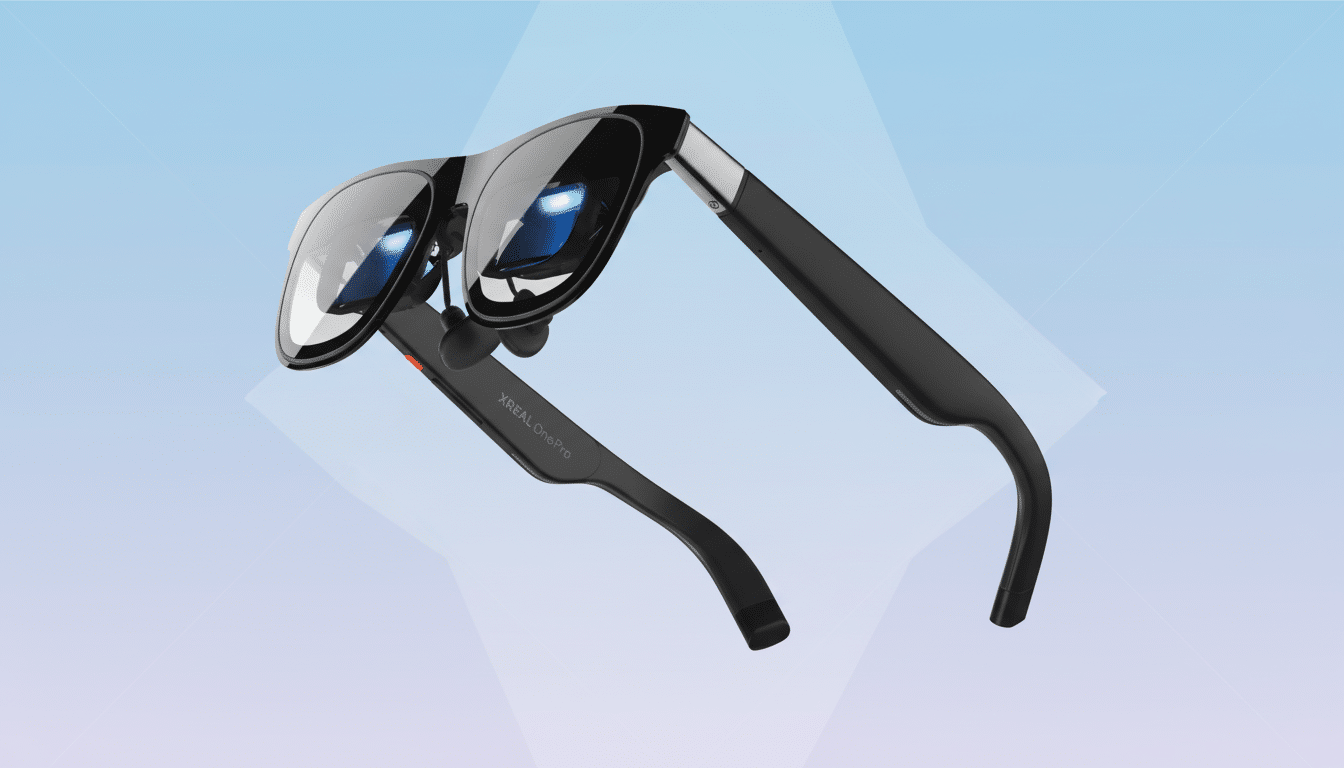
Its position as lead hardware partner means that next-generation devices will be standard reference implementations for Android XR. That includes wired glasses that connect to phones through a USB-C cable for display and tracking, as well as optical-see-through form factors that focus more on comfort, brightness, and being worn all day than heavy onboard compute.
Crucially, the emphasis on “optical-see-through” distinguishes this track from video pass-through headsets. It leaves Android XR to fill another gap: lightweight glasses that allow for productivity, media consumption, and at-a-glance information rather than full-fledged mixed reality.
Why XREAL Is a Strategic Fit for Android XR Growth
XREAL has volume, retail presence, and a maturing software stack. IDC, among other industry observers, have pointed to XREAL’s category-leading position in terms of consumer AR glasses shipments, estimating that the company has captured over 50% market share of the emerging optical-see-through segment during recent quarters. It matters at scale for developers who are looking for a single target device family with which to validate spatial experiences.
They have rapidly iterated in the past year on optics and display tuning, fit and finish, as well as an Android-friendly software layer that already supports spatialized versions of 2D apps and streaming services. Its accessories—companion devices that look like those from Nintendo and Sony, plus clip-on controllers—show a modular sensibility that jibes perfectly with Android’s varied hardware landscape.
Optical See-Through vs. Video Pass-Through
Optical-see-through glasses superimpose digital content on the physical world using transparent waveguides, allowing natural depth cues and real-world brightness to be preserved. They are ideal for all-day, multipurpose use—whether on the train, at college, in the office, or when there is simply too much light and you need to be able to let people see what you have going on. These shades have it made in the shade. They would make any Instagram blogger happy. The downside is less occlusion, less realism for heavy 3D content than video pass-through headsets.
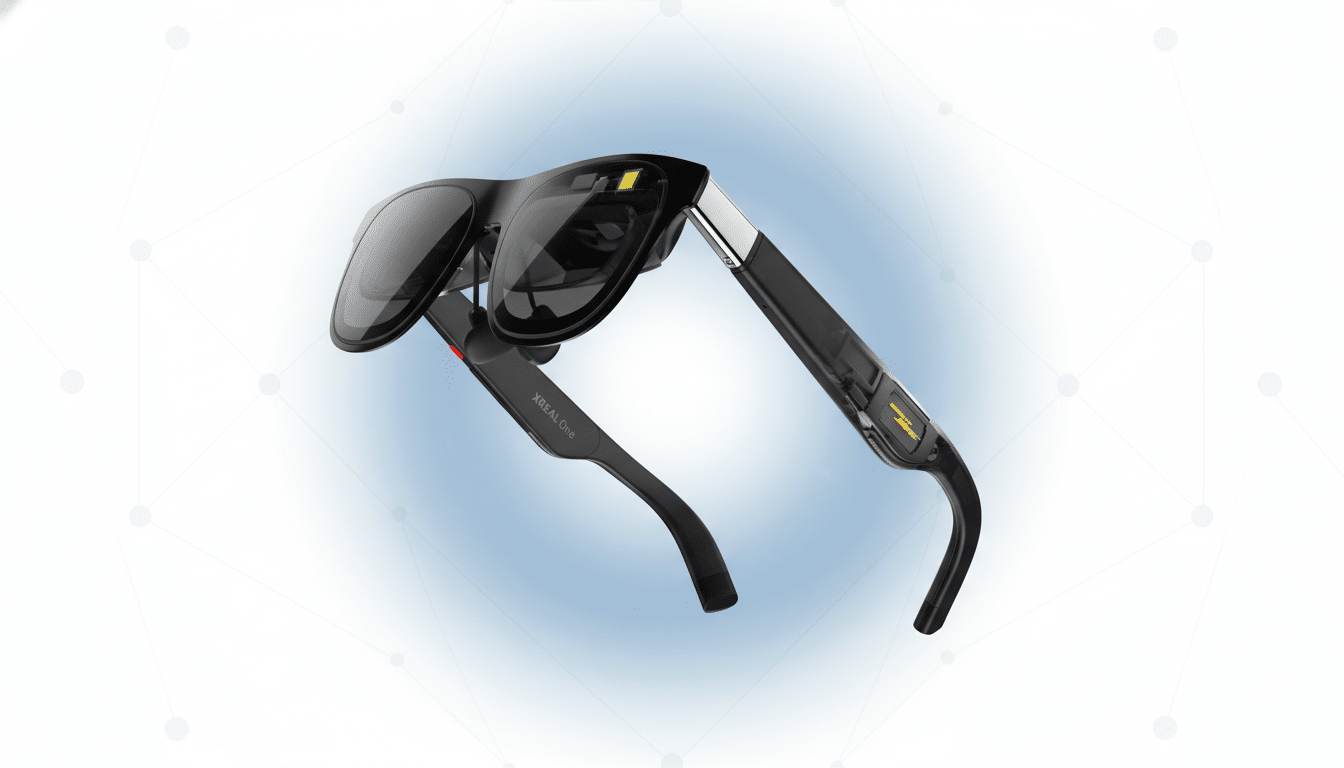
Wired glasses using the CPU/GPU of a phone can save on cost and reduce heat and bulk. Reduced latency over a cable and close integration with Android can do wonders to make basic spatial interfaces feel snappy. It’s the same “tethered compute” model that made early VR work—but now for thin, everyday glasses you can actually wear outside.
What It Means for Developers Building for Android XR
Android XR is one benefit for app makers, where a clear lead hardware partner reduces the risks of fragmentation. Already with a strong installed base of Android devices, ARCore can add some standardization to XR windowing, spatial anchors, and input conventions, which can be valuable in similar development cycles. Look for support for the same old stacks—OpenXR for native engines, WebXR for browser-based experiences, and Play-distributed applications rendered as spatial windows.
Importantly, all of that regular Android use translates well: messaging, productivity, media consumption, navigation, and fitness. Developers could start by spatializing a 2D app they have with few changes—imagine resizable screens set in space—and then build on top of 3D assets and persistent anchors. That incremental approach is appealing when contrasted with all-or-nothing, get-out-of-my-face immersive builds.
Market Context and Competitor Pressure in the XR Space
Competition is intensifying across XR. Apple’s high-end push with video pass-through has raised the bar for quality, while Meta’s mass-market HMDs help redefine conventional assumptions about mixed reality games and productivity. At the same time, Google has been working with leading chipmakers and device manufacturers to plant the seeds of an Android-based XR platform that can scale across hardware.
But with XREAL’s consumer-first optics, Android XR has a credible play in the lightweight glasses category analysts predict will gradually gain traction as price points decrease and software matures. Combine that with Android distribution, payments, and device management tooling, and you have a more direct line to carrier bundles, enterprise pilots, and classroom rollouts.
What to Watch Next as the Android XR Plan Expands
Watch reference hardware for developers, certification programs that guarantee apps will work the same across both phones and glasses, and Android features that make multi-window spatial computing a first-class citizen. Carrier relationships and retail bundles will provide key indicators of scale, as will early successes in travel, remote work, and field service where light overlays can have an immediate ROI.
Well, if this partnership can execute, it means Android would be the closest we get to having a background spatial platform for everyday experiences—our familiar apps, now floating free in any space you have privacy in—while beefier headsets go after high-fidelity immersion. It’s a divide-and-conquer approach that aligns with Android’s strengths and XREAL optics, and might just put XR in the hands of hundreds of millions of users sooner than some would have thought.
