


I switched my household to Gemini for Google Home expecting a smarter, friendlier voice Assistant. What I got is a system that dazzles at open-ended questions but stumbles on the day-to-day chores smart speakers are supposed to nail. Early impressions from power users and forum threads mirror my experience: this is a bold step forward in language understanding, paired with regressions that make me almost wish I’d waited.
A Leap in Understanding and Context Handling
Gemini is undeniably better at parsing messy, real-world speech. Where Assistant used to fire back with “I didn’t understand” for anything beyond short commands, Gemini usually infers intent and delivers a useful answer. In my kitchen, a muffled “How long to blanch broccoli before the… fryer?”—which a speaker misheard as something about a flight—still yielded legitimate guidance. That kind of recovery from garbled input is exactly what large language models are built for.
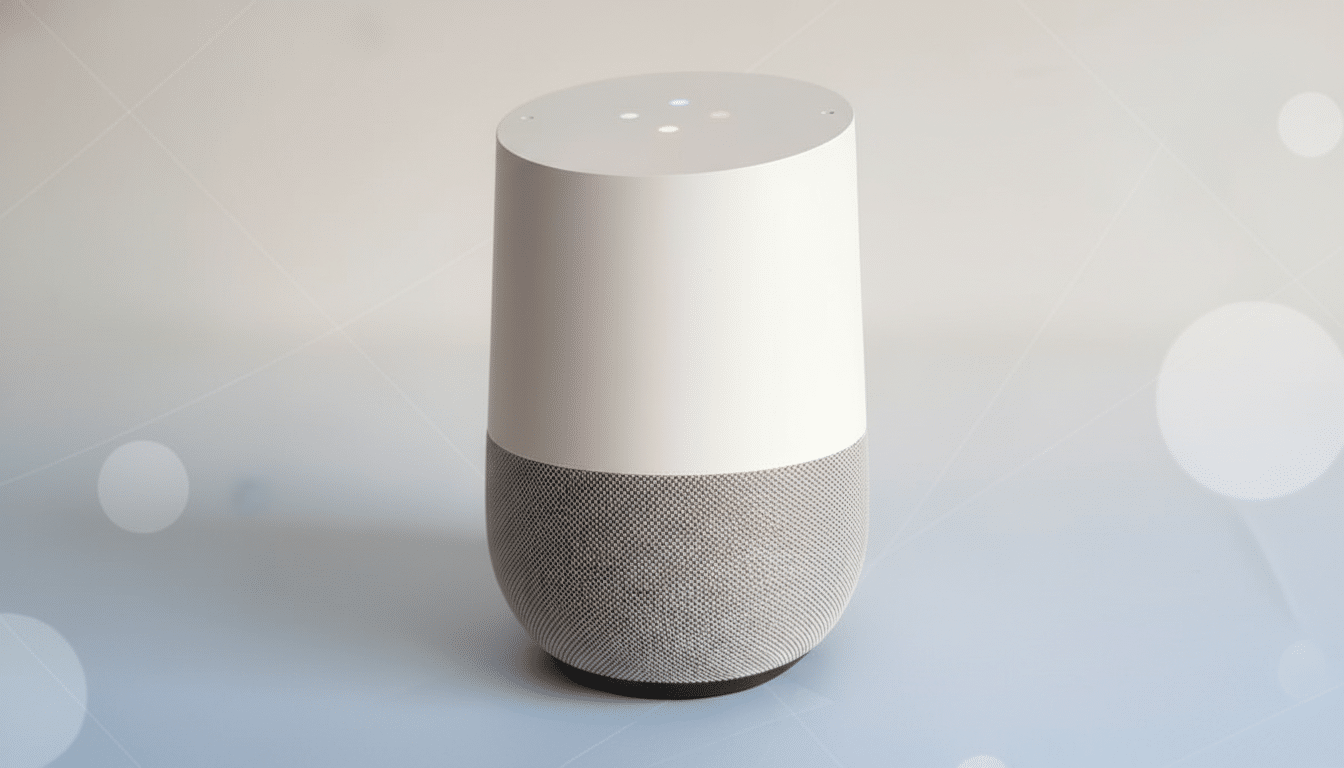
It also shows its work more often, summarizing from web sources rather than punting. That change matters because it expands what a speaker can answer beyond canned facts. Google’s public materials around Gemini highlight its expanded context handling—Gemini 1.5 models are designed to juggle more information at once—and you feel that in practice. For general knowledge and nuanced “how do I…” prompts, I reach for my phone less and trust voice more.
There is a catch: consistency. Ask the same question twice and you may get two plausible but different answers. With no display, you won’t always realize the model latched onto the wrong nuance. That’s not unique to Google’s system—LLMs can be probabilistic by design—but it’s a new wrinkle for voice control, where repeatability is part of the value proposition.
Everyday Tasks Are Less Reliable With Gemini
Smart speakers still live or die on routine tasks: lights, timers, music, weather, and quick follow-ups. Here, Gemini feels like a beta. Assistant’s long-standing ability to chain commands—“turn off the kitchen lights and what’s the forecast?”—now works only some of the time. In my testing across multiple speakers, dual-action requests landed about half the time. When it failed, Gemini executed just one part and ignored the rest, with no explanation. That unpredictability is what frustrates households most.
Community reports echo the same gap for other basics: checking active timers after asking for the weather, or mixing a device action with a general query. These sound like small edge cases until you realize they represent how people actually talk. Surveys from consumer tech researchers have repeatedly shown that timers, weather, and smart home control dominate daily use, far more than trivia or demos. It’s imperative that Gemini treat these as first-class scenarios.
The Loss of Continued Conversation Hurts Usability
Another pain point is the removal of Continued Conversation, the feature that let you ask follow-ups without repeating “Hey Google.” It debuted years ago and quietly became foundational to the hands-free experience. With Gemini for Home, Google has tied natural back-and-forth voice to Gemini Live, a real-time conversational mode that sits behind a paid plan in Google’s ecosystem and isn’t supported on many older speakers and displays.
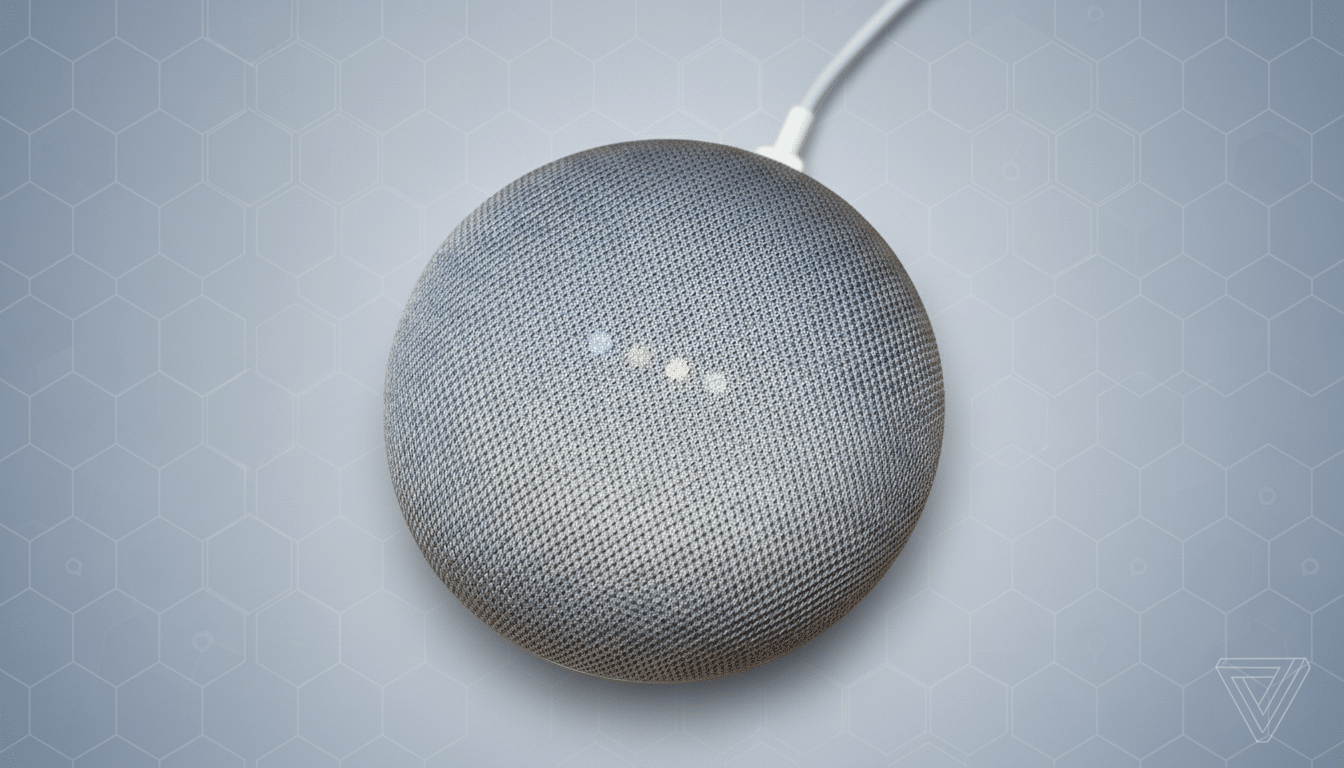
That means some users effectively lost a capability they relied on unless they pay and own compatible hardware. Google hasn’t provided a clear path for legacy devices, and that fuels the sense of regression. For a company that once set the bar on conversational voice, this is the most baffling downgrade.
Latency and the Hardware Factor in Google Home
Gemini’s brainpower also introduces a minor delay. Responses typically arrive a beat later than Assistant—usually a second or two, occasionally longer—especially on older Google Home and Nest devices. That’s not surprising; generative models are heavier than rule-based systems. Newer hardware and updated Nest speakers will likely shrink the gap. For now, the wait is tolerable, but it compounds frustration when a command fails and you’re left wondering if the speaker heard you at all.
No Rollback Options and Limited Availability for Now
Gemini for Home remains in public preview and is currently limited to users in the US and Canada. Critically, once you opt in through the Google Home app, there’s no official path to revert to the classic Assistant. Google says it’s iterating quickly, but that lack of a safety valve raises the stakes. If you’re happy with the status quo, think carefully before flipping the switch.
Verdict: Upgrade to Gemini for Home Now or Wait?
If you value better answers to complex questions, Gemini is a breath of fresh air; it makes aging speakers feel new again. But as a pure home assistant, it’s not ready to retire Assistant yet. The two biggest misses—flaky multi-command support and the disappearance of Continued Conversation—cut directly against how people use smart speakers every day.
My advice: early adopters who crave smarter Q&A can jump in, eyes open. If your household leans on chained commands, quick follow-ups, and rock-solid reliability, wait for Google to restore core features and tighten execution. Gemini for Home points to the future, but today it’s a trade-off—not a clear upgrade.
