


Google is taking its TV platform into the realm of truly conversational. The company’s Gemini update to Google TV gives you hands-free voice control over essential picture and audio settings, a more comprehensive on-screen answer experience and closer integration with Google Photos — coming first to select TCL models before reaching additional devices.
Hands-free picture and sound controls you can talk to
The headline change is a practical one: you can talk to your TV to fix what’s wrong without pausing the show or digging through menus within nested menus. Statements such as “the screen is too dim,” “make voices clearer” or “turn off motion smoothing” are deciphered by Gemini and then mapped, behind the scenes, to the correct settings.
- Hands-free picture and sound controls you can talk to
- On-screen Gemini answers get richer, visual, and contextual
- Google Photos integration brings voice-powered browsing
- Create on your TV with Veo and Nano generative tools
- Rollout and device support for TCL and more Google TV devices
- Why voice-controlled TV settings matter for viewers today
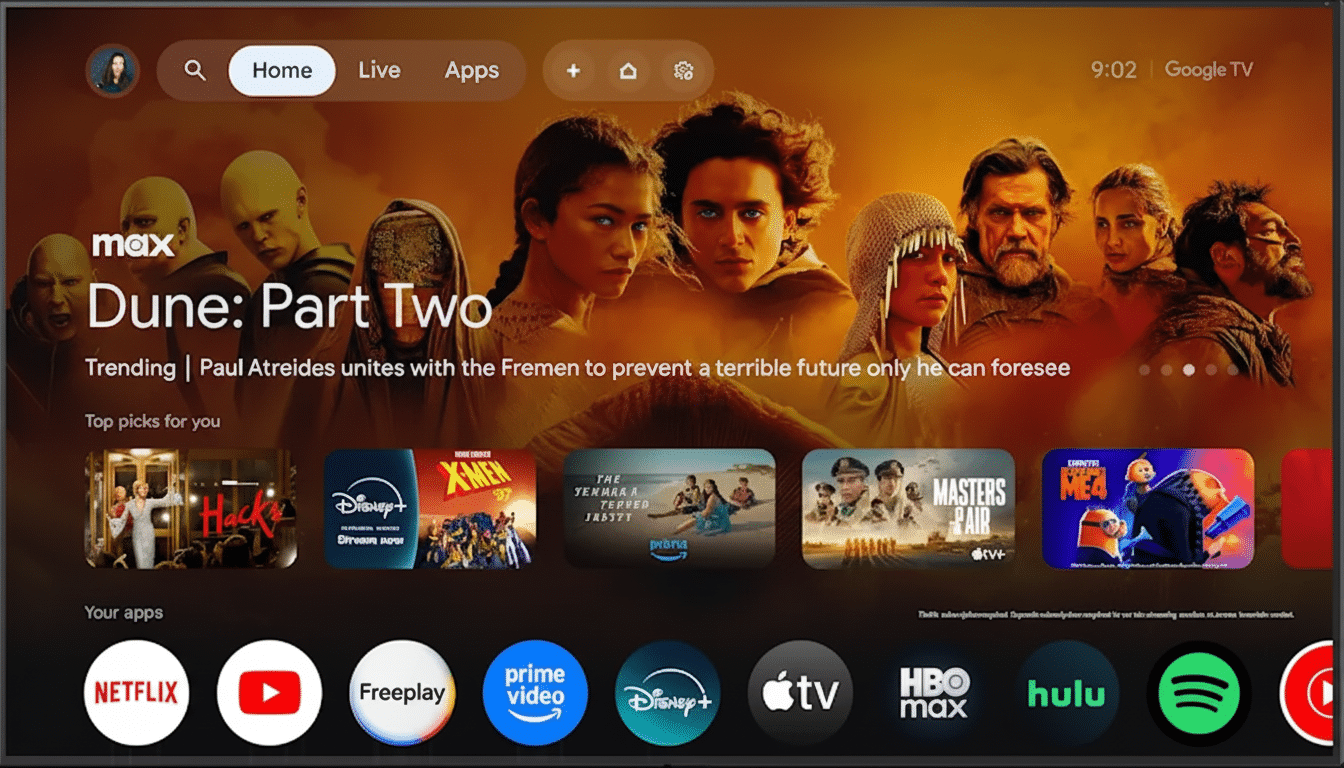
Of course, that now also means that you can adjust brightness, picture mode, motion handling and sound profiles in plain English. Say “optimize for movies,” “switch to game mode” or “reduce bass a bit,” and the TV will instantly comply. It’s the sort of high-friction control that makes a difference when you’re in the middle of an episode and dialogue suddenly slinks away from a soundtrack.
This also addresses a longstanding usability gap — most viewers never touch advanced picture options because they’re difficult to find and harder still to understand. In doing so, Gemini shrinks the learning curve and gives good image and audio quality to everyone — including multi-remote households — by turning common pain points into plain-English fixes.
On-screen Gemini answers get richer, visual, and contextual
Beyond settings, Gemini’s on-screen responses take on a new visually rich framework created for the living room. Answers can range from high-resolution images, rich video context and live scores in sports to show a player’s stats during game time or just the quick lowdown of a trending show without having to leave your app.
A new “Dive deeper” control allows viewers to spread a subject out into an over-narrated interactive overview. It’s an education that’s shared-screen friendly and family viewing appropriate; you get to see questions posed without turning your television into a wall of text in under 20 minutes.
Google Photos integration brings voice-powered browsing
Gemini now integrates with Google Photos. Just say, “show photos of our Yosemite trip” or “pictures with Grandma” and get your sweet memories on the big screen.
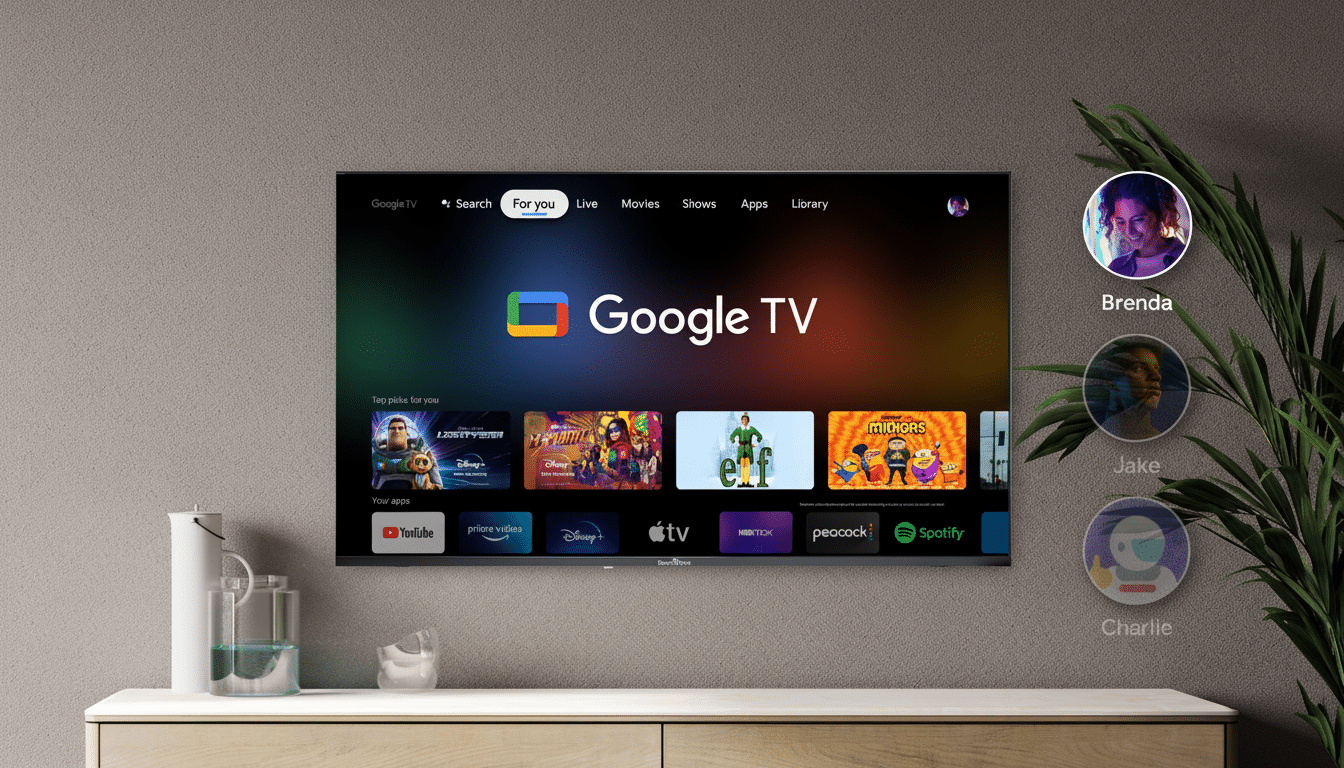
With well over a billion users relying on Photos to manage their collections, the integration brings an all-too-familiar and powerful search experience right to the couch.
Gemini users can further put albums into cinematographic slideshows and apply artistic styles with Photos Remix. It’s a simple way to create a fast montage after vacation or customize TV for party ambiance — and you won’t need your phone once your account is linked.
Create on your TV with Veo and Nano generative tools
For those playing with generative media, Gemini on Google TV taps into Google’s creative models. You can shoot new photos and video with Nano and Veo right from the TV, then play or share results on the spot. It’s not a full editing suite, but it allows for rapid brainstorming around the shared screen in which feedback is instantaneous.
Rollout and device support for TCL and more Google TV devices
The new Gemini interface is available on certain TCL TVs powered by Google TV, and it will be coming to more devices with Google TV over the next several months. Google also has plans to take Gemini to other surfaces, which will ultimately include projectors. As is the case with any voice-first feature, hands-free control will rely on hardware integration similar to a built-in far-field mic or a mic-equipped remote.
Why voice-controlled TV settings matter for viewers today
Part of that is because TVs have become more capable and more complicated — new panels, HDR formats, fancy audio tend to hide behind expert-level menus. Voice control is the simplest way of turning “this seems washed out” into exactly the right mix of tone mapping, color temperature and audio knobbling. It also increases accessibility for people who have trouble with cluttered interfaces or small on-screen text.
If Gemini’s ideas about natural language processing can survive contact with how people phrase their issues — “the picture is stuttering,” “make sports smoother,” “turn the background noise down” — then Google TV could be the first mainstream platform where casual speech actually leads to professional-grade answers. That is a meaningful step beyond mere voice search and into genuine, context-aware control of the living room screen.
