


Samsung’s Galaxy Z TriFold is doing a clever trick to make App Continuity feel natural. When users are ready to take an app from the cover display to the inner canvas, the phone quietly lowers the render resolution on the cover screen to meet that of the inner panel. The upshot: apps don’t restart during the switch, but cover-screen screenshots come out at a lower pixel count — even if what you see on screen still looks sharp.
How Samsung Prevents Apps From Relaunching
By default, opening the TriFold launches One UI Home on its larger interior display. Tap on Settings > Display > Continue apps on main screen, and the phone will restart your app when you open it. And there is a catch mentioned by Samsung in the UI: cover-screen screenshot clarity will not be optimal. It’s not because it looks better that way; the reason is architectural.
- How Samsung Prevents Apps From Relaunching
- Why density matching matters for seamless app handoffs
- What users will notice when using App Continuity
- How it compares to other foldables on app continuity
- Developer angle and real-world returns for continuity
- A smart compromise with tangible gains for foldables
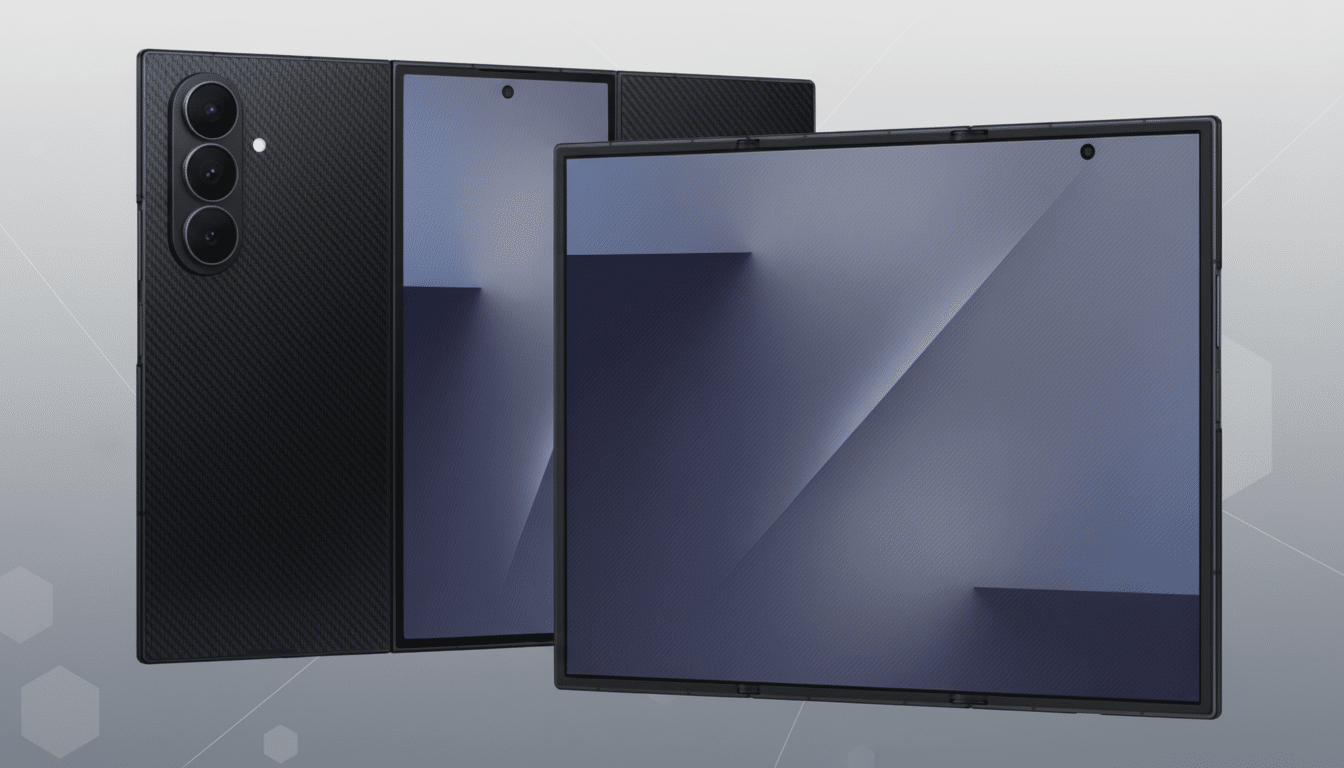
Samsung itself admits in its documentation that the device changes the effective resolution of the cover display when App Continuity is enabled and, for over half of each screen’s content area, hardware scales the image up to maintain the resulting perceived picture quality. That tweak brings the cover and inner screens into the same density “class,” so Android figures they’re equal and doesn’t do anything to force an app to reload its UI.
Why density matching matters for seamless app handoffs
Android UI is built around “density-independent pixels” (dp). Developers specify interfaces that look the same size no matter what screen resolution is in use, and produce image assets for standardized dpi buckets (as defined by the Android Developers technical reference) such as xhdpi or xxhdpi. Whenever you move an app between displays that happen to land in different buckets, Android will typically issue a configuration change — oftentimes restarting the activity since you may have to load new assets and layouts.
That’s the migraine the TriFold dodges. When operating with the App Continuity feature, the cover panel’s 1080×2520 native pixels are physically rendered at about 822×1918 to match the inner display’s logical 2.0x scale (Samsung typically uses a target width of 411dp; multiplied by 2.0 equals 822). The density match also means no layout change and no app restarting when you unfold it. On top of that, a hardware upscaler takes this 822×1918 frame and maps it to the physical 1080×2520 panel anyway — so the cover screen still looks sharp in use.
There is one unavoidable drawback: screenshots take the unscaled render buffer. That means cover-screen screenshots taken with Continuity turned on will display fewer pixels than the native resolution of the display, even if your eyes can’t tell very much when using it day to day.
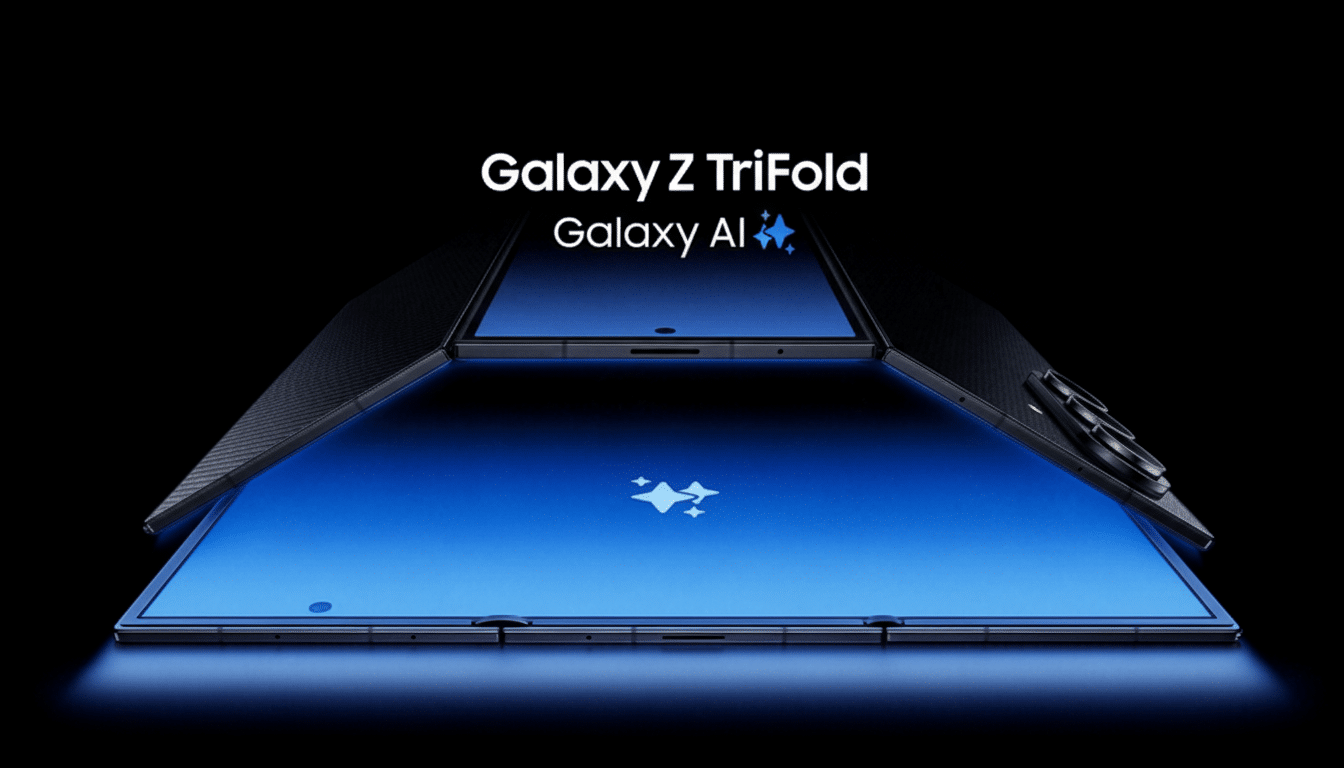
What users will notice when using App Continuity
Flip the App Continuity switch on to have Google Play video playback, a lengthy chat thread, or an unfinished email open on the cover screen jump suddenly over to the inner-canvas display without losing its place in your scroll position, text input, or video buffer. But the reverse isn’t true to the same extent: when you close the TriFold, it locks rather than bringing up the app on the cover screen. That’s in line with Samsung’s foldables by default, but not with the additional flexibility that some users have come to expect.
How it compares to other foldables on app continuity
On devices such as the Galaxy Z Fold line, Samsung’s App Continuity doesn’t mention any screenshot resolution trade-offs. They can generally keep apps “open” between open and close states without such juggling of density due to their cover and inner displays being much closer in apparent density. The reason it has to be so aggressive is that the TriFold has this tri-panel architecture, which further exacerbates the issue, making the density-matching hack a necessary measure.
Developer angle and real-world returns for continuity
Android developers have been advised to design for configuration changes for years, but many apps still fail when there is a density change or screen size switch, either losing state or reloading large content. By making the cover render at a density identical to that of the inner display, Samsung reduces these transition moments to essentially a non-event. For users, that will translate into fewer interruptions and more time spent actually using apps; for developers, it’s a smaller set of edge cases to debug when working on a brand-new foldable form factor.
A smart compromise with tangible gains for foldables
The TriFold’s approach is a practical one: give up some raw screenshot resolution on the cover display to ensure a smoother, more reliable handoff between screens. Because Android apps have historically reacted to changes in density by restarting so frequently, it’s very noticeable. Samsung’s hardware upscaler keeps visuals intact, density matching keeps apps stable — an elegant resolution to a complex foldable layout problem that only exists on multi-piece hardware.
And as foldables advance, you can count on even more behind-the-scenes trickery like this. For now, the TriFold’s resolution tweak is a demonstration that the best mobile experiences often rely on engineering that you don’t see, enabling software to disappear.
