


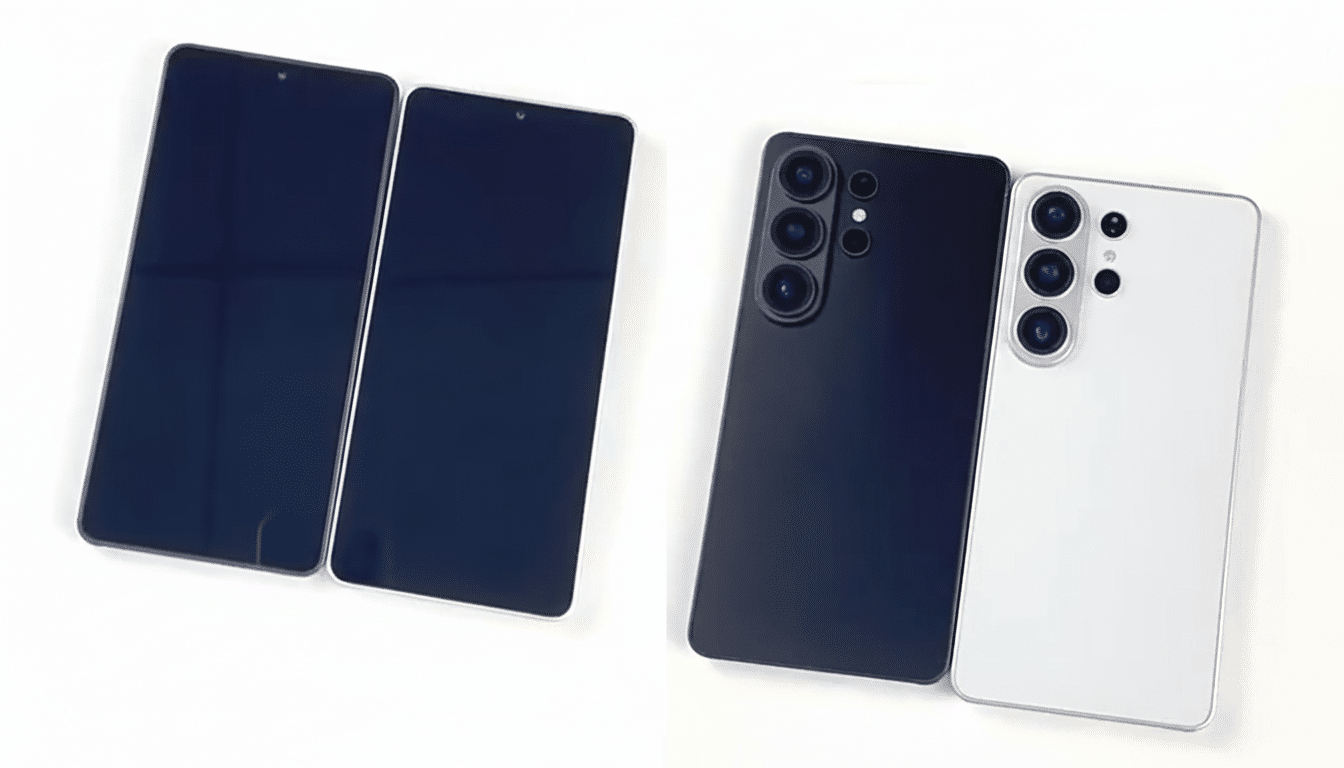
Samsung’s next flagship will apparently have a higher price tag in its home market, but US buyers may not need to brace for sticker shock. Several South Korean reports suggest the Galaxy S26 series will cost more at launch in South Korea, partly due to component costs and currency headwinds, with US pricing expected to rise or remain unchanged.
Local reports from Korea indicate that the base prices could increase by up to 88,000 won (approximately $60) for 256GB models compared with last year’s price, and the 256GB variant of the Galaxy S26 Ultra is expected to be fixed at around 1.8 million won (about $1,245). If true, it would be Samsung’s first base price rise for its mainline flagships in four generations — though, notably, still underpricing the Korean Ultra versus US sticker for the equivalent S25 Ultra model.
What’s Behind A Korea-Only Galaxy S26 Price Hike
Two large forces are colliding: memory prices and currency volatility. DRAM and NAND prices have leapt higher over the past year as chipmakers curbed output and AI servers absorbed supply. Market trackers, such as TrendForce and Counterpoint Research, have reported widespread double-digit increases in contract prices over several quarters now, including NAND in the wake of sharp production cuts. Those changes flow directly into the bill-of-materials costs for phones with high-speed LPDDR RAM and large UFS storage.
Then there’s the won. A depreciating home currency can increase the cost of components paid in dollars, squeezing margins for devices sold in South Korea. Samsung’s MX unit, which oversees smartphones, has already been under tighter profit margins in recent cycles as premium parts — displays, cameras, and memory — have become more costly. The simplest way to counter those pressures, without re-ranking the global price ladder, would be with a localized MSRP adjustment.
What About US Pricing For The Galaxy S26 Series
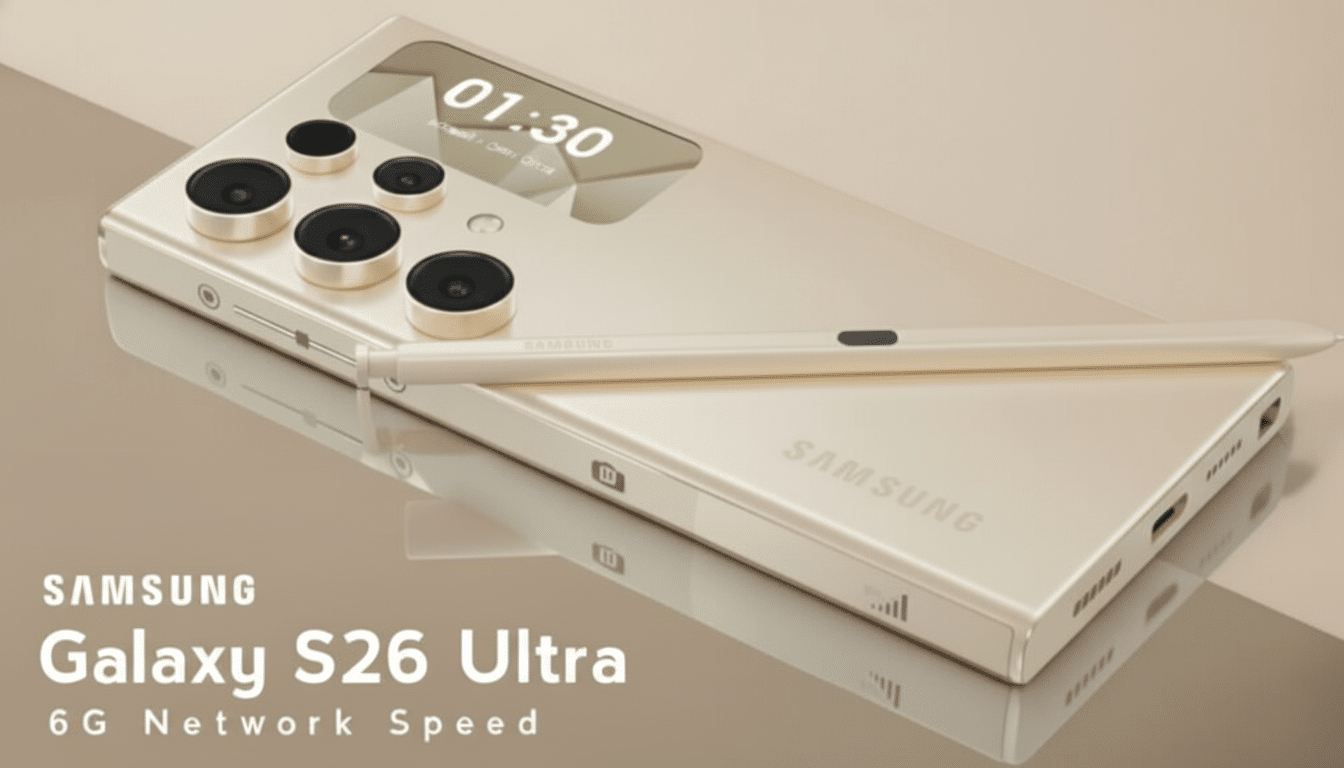
For the US, Korean outlets agree Samsung will try to keep prices flat. That would make the base Galaxy S26 $799.99, the S26 Plus $999.99, and the S26 Ultra $1,299.99 — today’s well-trafficked price tiers. “It makes sense to hold the line in the US: The market here is highly competitive with entrance fees at those psychological price points and carrier promotions all based on predictable MSRP anchors.”
There are practical advantages, too. A strong dollar softens the nostalgia inflation for units headed to America. And holding the line on list prices keeps in place the ecosystem of aggressive trade-in credits and long-term installment plans that United States buyers have come to expect. Essentially: Korean consumers may feel more of the component squeeze on the front end, while American buyers get it absorbed out through scale, currency dynamics, and marketing economics.
How Wide Could The Pricing Gap Get Between Regions
If the rumored 88,000 won uplift is accurate, then we’re looking at a meaningful but not massive delta on a high-end flagship — about $60 at today’s prevailing rates of exchange. Still, it would be a departure from the more recent pattern of Samsung holding the line on base prices while eating higher costs and delivering only incremental hardware tweaks. Analysts are framing the move as a recalibration (not wholesale repositioning): adjust where elasticity is lower (home market loyalists) and keep the US price architecture intact to defend share vs. Apple and Google.
What Buyers Should Watch As Launch Deals Evolve
In South Korea, you’ll find more aggressive carrier rebates and trade-in offers to help minimize the pain, especially of the Ultra. In the US, I wouldn’t be surprised if MSRP stays relatively level but the bundle extras (storage upgrades, accessory credits, or longer pre-order promos) would differ even more by retailer and carrier as Samsung evens out its bill of materials. Keep an eye on memory — if DRAM and NAND prices don’t fall, entry-level storage could stay at 256GB across the line, but steps to higher capacities would be more significant.
The larger story is that smartphone pricing now follows the same trends as those governing the semiconductor cycle. Regional pressures for hikes could start to lose steam if memory prices decline further down the road. So long as AI demand keeps DRAM and NAND under wraps, it’s fair to expect manufacturers will continue using localized pricing and promotions to fine-tune margins without jarring headline MSRPs in critical markets like the US.
Bottom Line On Galaxy S26 Pricing In Korea And The US
Early signs suggest that we’ll see a Korea-only price hike for the Galaxy S26 range, leaving US prices likely unchanged. Korean media reports have pegged the bump to as much as 88,000 won for 256GB models, which will take the S26 Ultra close to 1.8 million won at home. Those are the ones to beat at long last as far as American buyers go, at least for now, with the tried and true $799.99, $999.99, and $1,299.99 tiers holding strong all these years later here in 2026.
