


A new leak suggests Samsung’s next compact flagship could be one of the lightest mainstream smartphones in years, with a claimed weight that undercuts not only its predecessor but nearly every rival in its class.
Leak Points to 137g for the Galaxy S26 Base Model
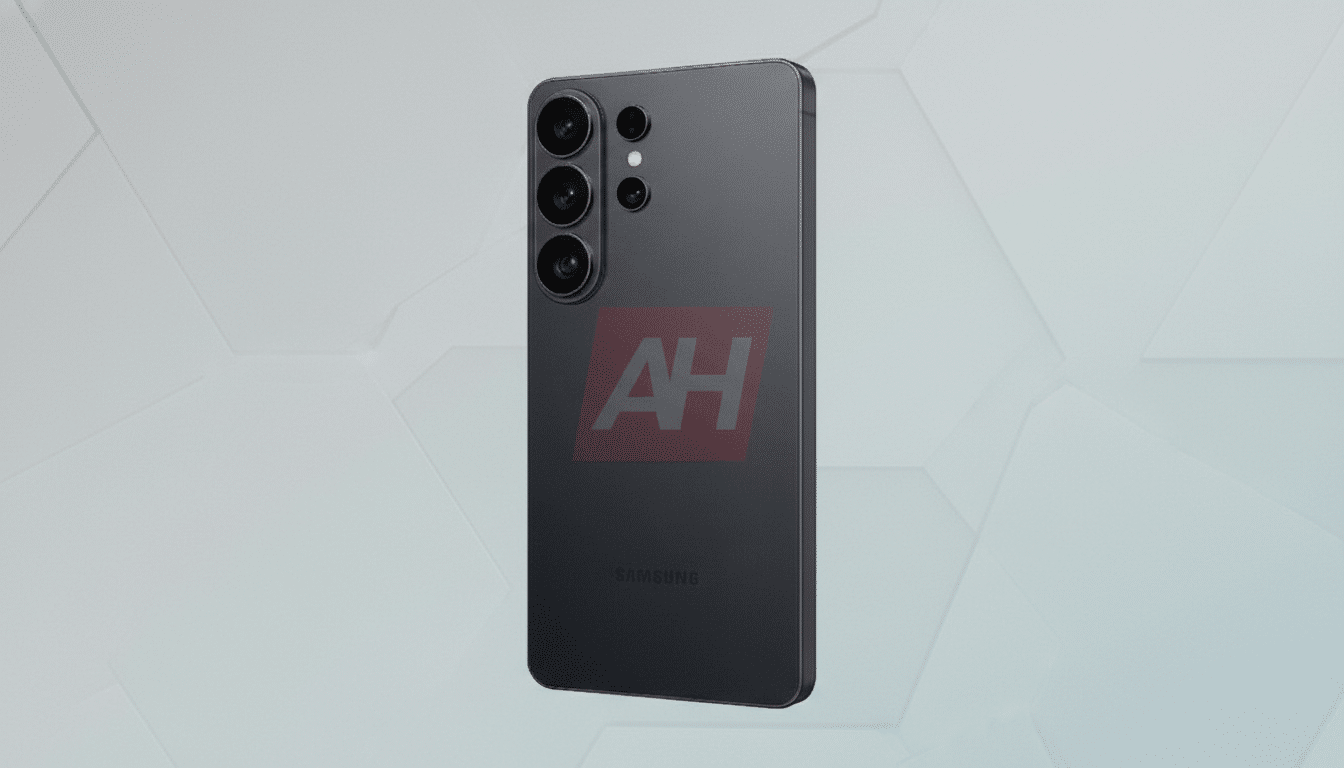
According to newly shared renders and specifications from Android Headlines, the standard Galaxy S26 is tipped to weigh just 137g. If accurate, that would make it dramatically lighter than typical 6 to 6.3-inch phones, which often land in the 165g to 200g range. The same report lists dimensions of 149.6 x 71.7 x 7.2mm and shows a refreshed camera housing that groups the three lenses onto a raised, pill-shaped island.
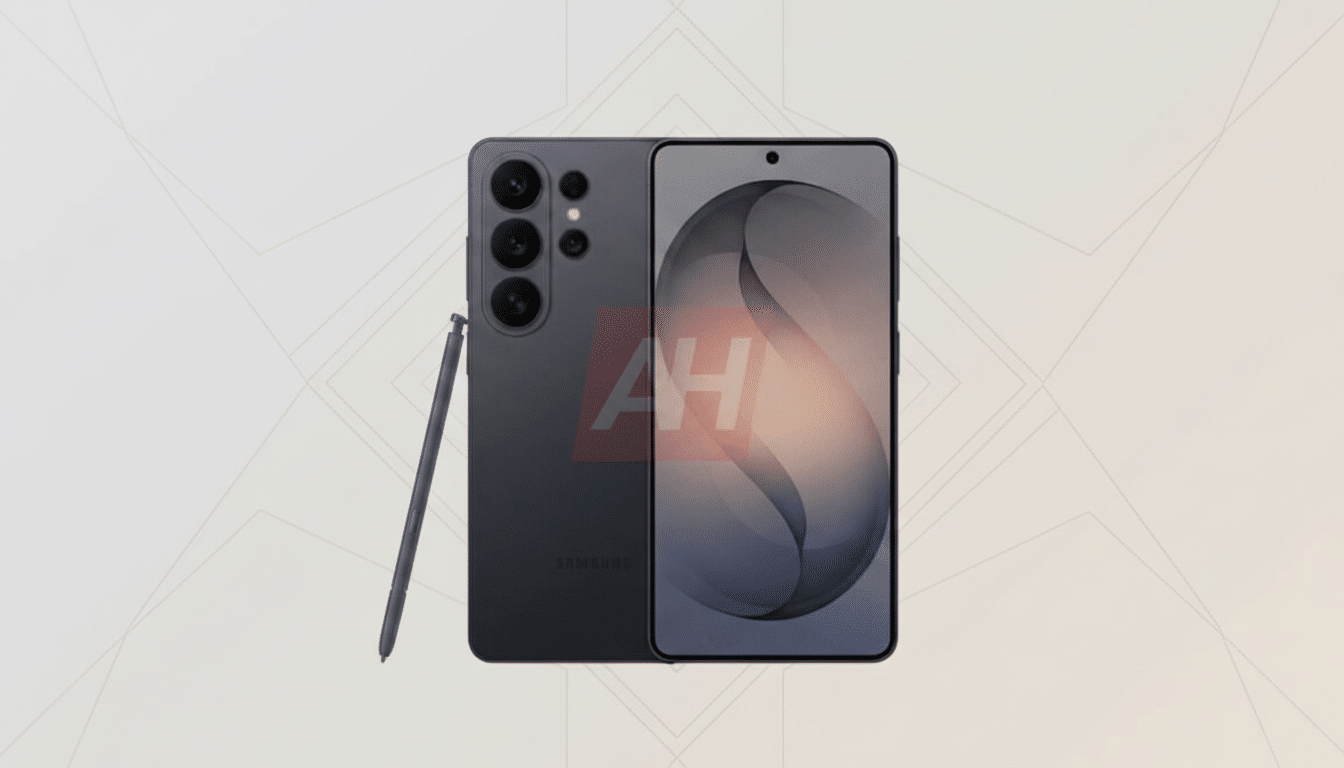
Context matters here. Ice Universe, a well-known industry tipster, previously pegged the phone at 164g, already lean by modern standards. The new figure would represent a further drop and imply a rare engineering push toward portability at a time when many devices are getting heavier due to larger batteries and more complex camera systems.
How Light Is Light Compared to Key Rivals
At 137g, the S26 would be around 15% lighter than the reported weight of the S25 and roughly 33% lighter than projections for a similarly sized Pixel 10. For perspective, some compact or mid-size phones famed for balance still exceed this mark: iPhone 15 is about 171g, Asus Zenfone 10 is around 172g, and Nothing Phone (2a) sits near 190g. To find a mainstream phone under 140g, you typically have to step down to devices with much smaller displays, like the iPhone 12 mini at 135g.
If Samsung achieves this while keeping a 6.3-inch AMOLED screen, it changes the conversation about what a true “small” or “light” flagship can be in 2026-era hardware. It’s the kind of spec that users notice immediately in daily carry and long sessions of one-handed use.
What Might Enable the Galaxy S26 Weight Drop
Materials and internal packaging are the obvious suspects. Samsung has leaned on sturdy aluminum frames in recent generations, and further material optimization—whether thinner chassis walls, a lighter midframe alloy, or reworked camera and mainboard modules—could shave grams without sacrificing rigidity. The pill-shaped camera bump hinted in renders may allow denser component stacking with less reinforcement around individual lens rings.
Battery tech is another lever. The leak points to a 4,300 mAh cell, which, if paired with higher energy density and a simplified cooling solution, could offset weight usually added by bigger capacities. That said, aggressive slimming typically raises questions about heat dissipation and drop protection, so durability testing will be crucial once units are in hand.
Specs Roundup from the Galaxy S26 Rumor Mill
The same reports suggest the Galaxy S26 will debut with Android 16 and run either Snapdragon Elite Gen 5 or Exynos 2600, depending on market. Camera hardware is expected to include a 50MP main sensor, a 10MP telephoto, and a 12MP ultrawide, with a 12MP selfie camera. None of these numbers scream radical overhaul, which reinforces the idea that the headlining change may be feel-in-hand rather than cutting-edge optics or sensors.
From a design standpoint, the renders indicate continuity with last year’s aesthetic, now anchored by the integrated camera bar. The shift isn’t just cosmetic; a unified module can simplify assembly and potentially reduce the amount of glass or metal needed around each lens, contributing to overall mass reduction.
Galaxy S26 Plus and the Broader Market Picture
The Galaxy S26+ is rumored to carry a 6.7-inch display and a 4,900 mAh battery, with a reported weight around 190g—slightly trimmer than earlier whispers of 194g. That is a more modest cut, but consistent with a strategy that pushes the smallest model into featherweight territory while keeping the larger variant competitive against big-screen rivals.
If pricing stays steady, as some industry chatter indicates, Samsung could be positioning the S26 as the go-to option for users prioritizing pocketability without downsizing display real estate. It’s a niche that competitors have largely abandoned as battery and camera arms races escalated device mass.
Why This Could Matter for the Smartphone Market
Weight is more than a spec sheet number. Lighter phones reduce wrist strain, are easier to grip, and often feel faster to handle—benefits you notice every time you pick the device up. If Samsung delivers a 137g flagship with modern performance and battery life, it could nudge other brands to revisit ergonomics, not just screen size and camera count.
As always with pre-release leaks, caution is warranted. Still, the convergence of multiple sources, including Android Headlines and Ice Universe, makes this a storyline to watch. If the claims hold, the Galaxy S26 could redefine what “compact flagship” means by making thin-and-light a headline feature again.
