


Framework is increasing the cost of DDR5 memory for its DIY Edition laptops by 50% thanks to an industry-wide increase in DRAM prices. The company says the rise is to counter higher supplier quotes, rather than being to fatten margins, and promises that when conditions allow it will cut prices.
What Framework Is Changing in DIY DDR5 Memory Pricing
The change only affects DDR5 SODIMM modules chosen as options when selecting the components on Framework’s DIY Edition notebooks. Preorders and any previously placed orders will not be repriced. Prebuilt systems retain the current pricing, and users who want to grab a DIY system without RAM in order to reuse some modules can do so.
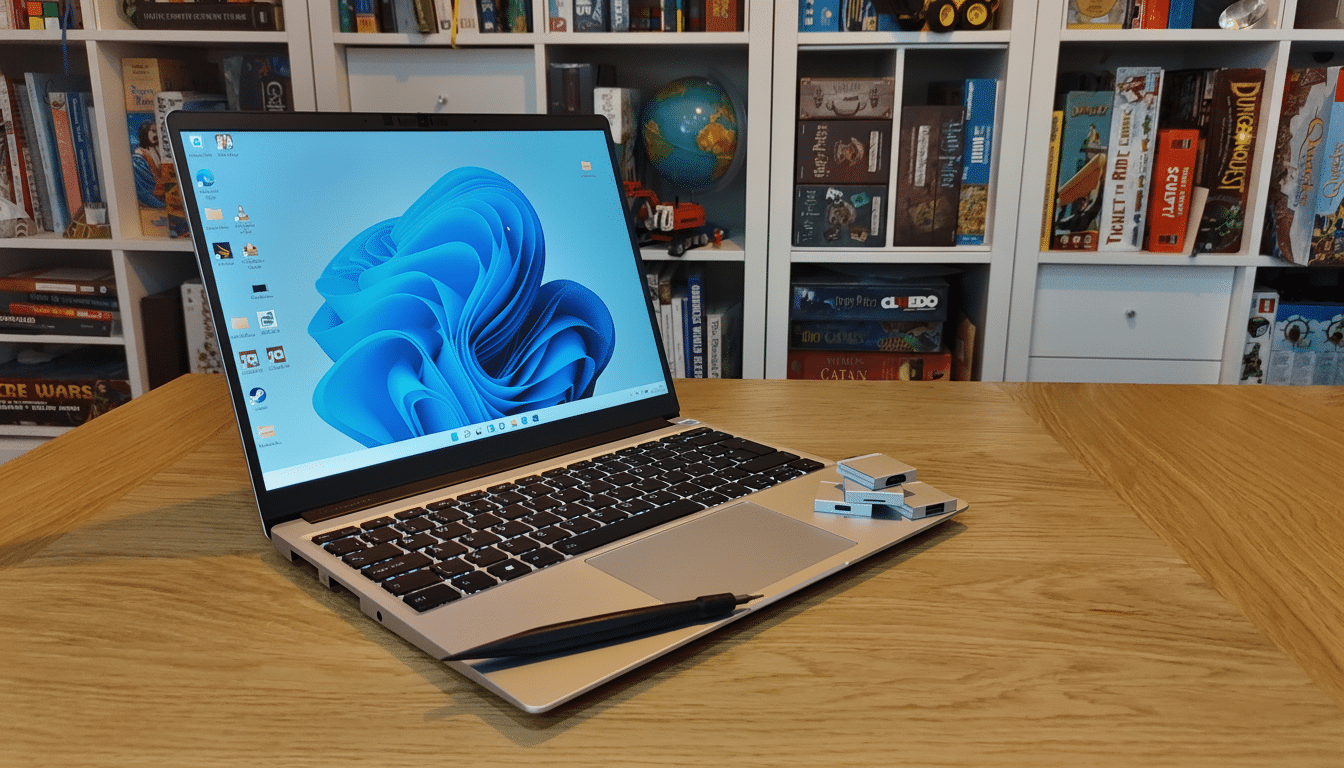
To prevent opportunistic returns, the company revised its policy to insist a laptop return must include the memory purchased with it. That’s on the heels of a recent move by Newegg to remove standalone DDR5 modules from its marketplace in order to maintain stock for entire DIY builds and lessen scalper activity.
Framework says it is still able to sell below street prices for equivalent DDR5 laptop kits, but notes that more adjustments are likely to come if suppliers continue hiking quotes across DDR5, LPDDR5X, and even GDDR in GPUs.
What Is Driving Up DDR5 Memory Prices Right Now
DRAM prices have surged as supply has remained tight and demand has rebounded. Industry analysts point to a smattering of underlying reasons: manufacturers are focusing their attention on high-bandwidth memory for AI accelerators, tightly managed wafer starts, and increased PC refresh cycles that are driving up demand for higher-capacity DDR5 kits. When bit supply is tight, contract prices (the midpoint of a guide’s range for retail) tend to move rapidly — and retail follows.
TrendForce has noted sequential rises in DRAM contract prices this year and said large PC vendors are readying themselves for the higher component cost. The research firm also indicated that one key OEM could increase PC prices by at least 15-20%, so memory inflation is clearly already being passed on to system pricing. Small volume builders have already responded; CyberPowerPC let customers know it was hiking prices across the board due to memory costs, while HP cautioned that expanding DRAM prices will put a squeeze on margins and configurations if/when the trend continues.
The ripple effects go beyond DDR5. As capacity increasingly moves toward higher-priced memory for AI and data center applications, the lower portions of the DRAM stack are becoming tighter. But even when modules are in stock, higher-speed and higher-density SODIMMs — like 32GB or 64GB kits — are the ones you will most likely see skyrocket first (since they depend on newer and costlier ICs).
Implications For DIY Purchasers And The Modular Value Proposition
The practical difference for Framework’s core DIY audience is about flexibility. If you already have compatible DDR5 SODIMMs, then you can still pick up the notebook bare and avoid the increase completely. New memory being made available is even cheaper: Framework’s configured pricing will have to compete with retail (if it doesn’t already, as new items are added), but shoppers should compare total build cost versus respected third-party sellers and be on the lookout for speed bins and warranties.
Compatibility is also simple: Framework’s Intel and AMD mainboards are both in the SODIMM form factor, so they use standard DDR5 slots at launch (usually 5200–5600 MT/s for mainstream hardware). Performance increases above those tiers can be minimal for laptops, so more value shoppers may prioritize capacity over peak frequency during this price spike.
The change in the return policy is significant. Memory is small and valuable, easy to resell, and therefore a favorite for arbitrage when prices swing. I imagine the point of having modules be shipped back with any system is to reduce inventory drain, and keep more complete DIY kits available to real customers.
Signs For The Next Level Of DRAM Pricing
Framework’s messaging echoes what PC makers have been saying for months: the DRAM market is fluctuating, and list prices may need to move multiple times while suppliers re-adjust. DRAM flows have typically corrected back when bit output accelerates or demand loosens, though current conditions are complicated by AI-based memory mixes that prioritize higher-margin products initially.
In the meantime, there are choices for buyers. You might want to check for a DIY Edition which can be purchased without RAM and therefore reuse existing modules, keep an eye on retail specials/end-user combos, or gray market listings (which usually are missing a warranty). If you’re looking for a plug-and-play system, Framework’s prebuilt model protects you from this particular memory bump — for the moment, at least — but broader component inflation might still filter through eventually.
The upshot: 50% is a big bump, but it just reflects the broader DRAM squeeze and not some single-company thing. Framework is already signaling that it would reverse its decision when prices normalize. Until then, that modular approach still provides a hedge — allowing buyers to decide when and where they need memory in a market that’s still volatile.
