


Jenny Liu, the former chief executive of celebrity-favorite training club Dogpound, has launched Crush It Ventures, a $5 million early-stage fund dedicated to wellness startups. The firm will back founders building across mental health, fitness and sport, beauty, and hospitality—an intentionally wide brief that maps to how consumers live, not how categories are siloed in pitch decks.
Liu said the fund grew out of two observations: wellness founders tend to gather where communities already exist, and too many of those founders—especially women and minorities—struggle to plug into capital networks early enough. Crush It aims to close that gap by writing the kind of catalytic first checks that open doors to retailers, influencers, and follow-on investors.
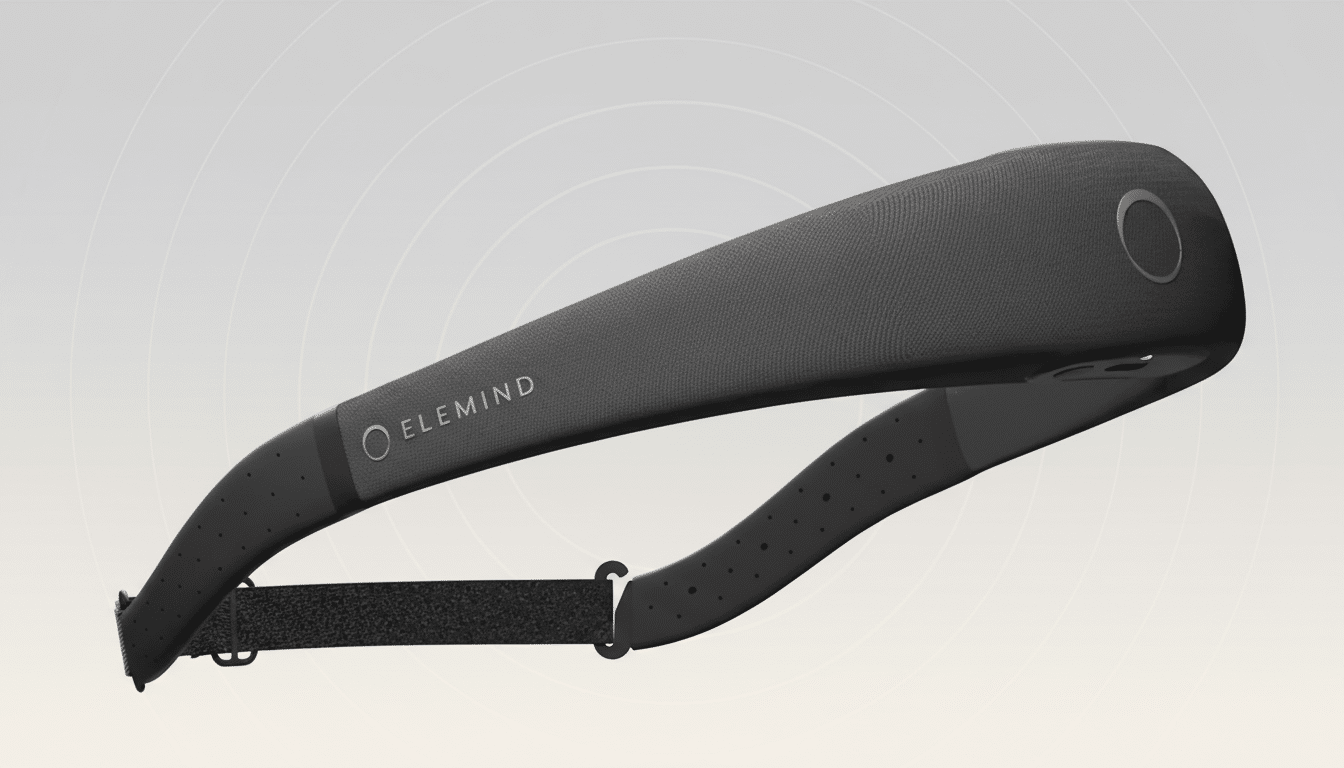
Crush It expects to invest $100,000 to $250,000 per deal in roughly 20 to 25 companies. The firm has already backed 18 startups, including brain-focused wearable maker Elemind and cactus water brand Caliwater, and plans to complete initial deployment on a tight timeline to match the pace of consumer adoption cycles.
Liu’s playbook leans on her Dogpound tenure, where she progressed from CFO to CEO and worked closely with founders, athletes, and entertainers. The fund will emphasize brand building and community development as core operating levers, not afterthoughts, with introductions to tastemakers and distribution partners built into its post-investment support.
Wellness Demand Is Surging Across Key Categories
Consumer appetite for wellness is outpacing many discretionary categories. A recent McKinsey analysis estimates U.S. wellness spending at well over $500 billion annually. It also highlights a generational skew: Gen Z represents a smaller share of the adult population yet drives a disproportionately large slice of wellness spend—more than 41%—while older adults account for a lower share of consumption relative to their population weight. That tilt shows up in the rise of run clubs, recovery studios, and functional beverages as social touchpoints, not just products.
Globally, the Global Wellness Institute pegs the wellness economy at more than $5 trillion and growing, spanning personal care and beauty, physical activity, healthy eating, workplace wellness, and mental health services. The throughline is experiential: consumers want tools and spaces that support sleep, stress management, and community as much as aesthetics or performance.
Investor Climate Favors Sharp, Differentiated Theses
Even with buoyant demand, fundraising remains selective for first-time managers. Data from NVCA and PitchBook show capital concentrating with established firms, leaving emerging managers with a single-digit share of overall commitments. At the same time, limited partners have been signaling interest in specialized strategies and diverse managers that can originate proprietary deal flow—especially in consumer categories where culture and community drive adoption. Liu’s networked approach is designed to meet that bar.

Her background in banking, angel investing, and operating a brand that scaled through high-touch experiences gives the fund an operator’s lens. That matters in wellness, where differentiation frequently hinges on distribution pathways—corporate wellness partnerships, hospitality integrations, retail endcaps, and creator-driven storytelling—more than on R&D alone.
How Crush It Plans To Back Founders Beyond Capital
Crush It will prioritize companies that marry credible claims with community. On the product side, that includes areas like mental health access and coaching, women’s health, low-stimulation recovery and sleep tools, social fitness formats, and better-for-you CPG. On the go-to-market side, the fund will help founders pressure-test channel strategy early—DTC for speed and learning, retail for reach and credibility, and hospitality or workplace pilots for sticky, high-frequency engagement.
Beyond capital, founders can expect help with brand positioning, creative direction, and partnerships with coaches, athletes, and wellness operators. The fund also emphasizes measurement: cohort retention, repeat purchase behavior, community engagement, and disciplined unit economics that support sustainable growth, not just top-line buzz.
Why It Matters For Founders, Investors, And Consumers
Wellness is no longer a niche; it’s a consumer staple with cultural momentum. Prior successes—think Oura in sleep, WHOOP in performance, and Therabody in recovery—show how fast winners can scale when product-market fit and community flywheels align. Yet many promising concepts stall for lack of early validation capital and distribution mentorship. By seeding founders at that inflection point, Crush It aims to expand the pipeline of venture-backable wellness companies while broadening who gets funded.
Liu’s bet is that purpose-led, community-centric brands can deliver both outcomes and returns. If the firm’s early portfolio continues to execute, it will offer a timely proof point: in wellness, the moat is built as much in trust and belonging as in technology—and investors who understand both can underwrite durable growth.
