


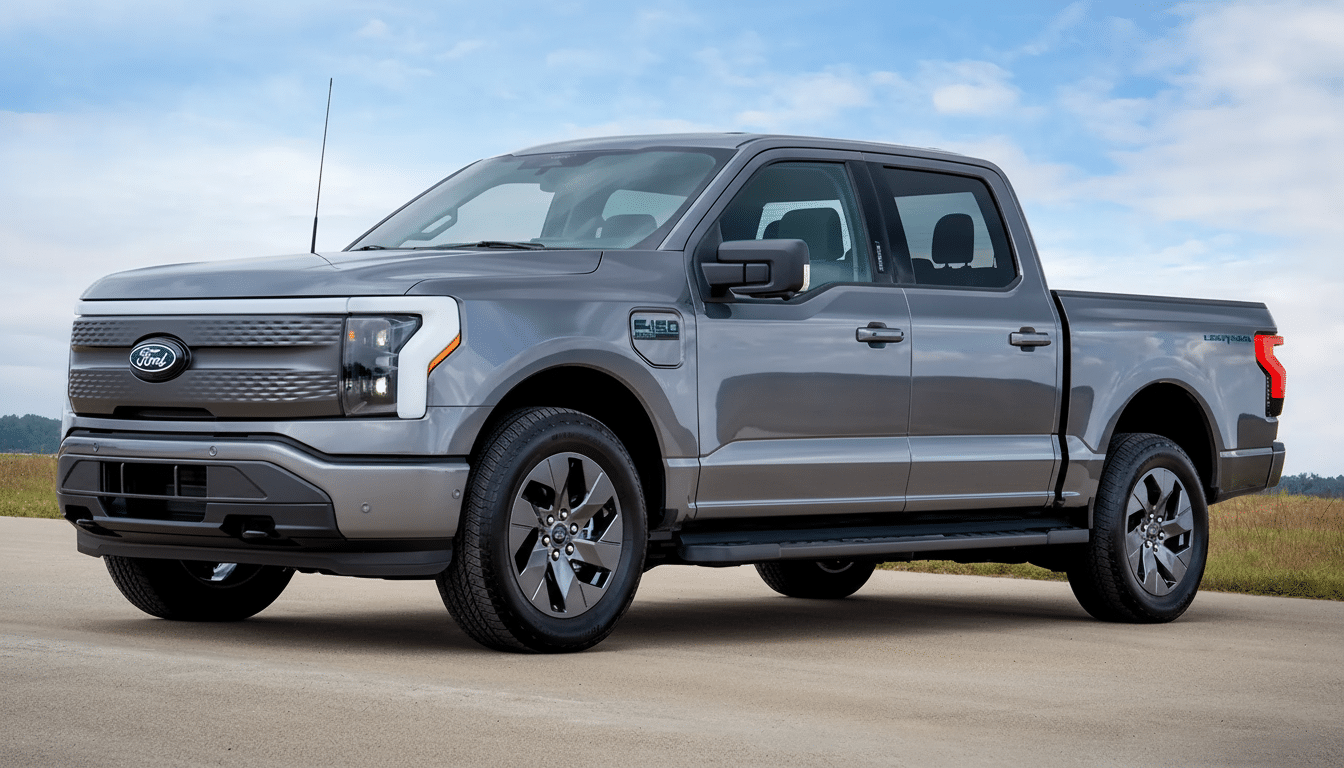
Ford has discontinued its all-electric F-150 Lightning pickup and plans to relaunch the truck closer to… Ford resumes production of electric F-150 as extended-range EV model. Ford begins building revamped electric F-150 as… On a macro level, a bolder admission that the fully electric 2011 Volt was too timid — the rebooted model marries a large battery to an onboard gasoline generator, striving to keep EV-worthy acceleration on tap while removing fears of long-haul and towing frustrations. Pricing, on-sale timing, and the production name are still under wraps, but Ford says we’ll learn more closer to the car’s launch.
Executives note that the move reflects what truck buyers really do: tow, haul, and road-trip in areas with uneven public fast-charging infrastructure. The new setup, the company says, will leave sub-5-second launches at its disposal and “tow like a locomotive,” all with the refueling flexibility of fleets or rural owners.
- Why Ford Is Pivoting Toward an Extended-Range F-150
- What the EREV-based Lightning Could Offer Drivers
- Battery Storage and Ford’s AI Power Play for Data Centers
- Competition and Market Context for Range-Extended Trucks
- What It Means for Buyers of an Extended-Range F-150
- What to Watch Next as Ford Finalizes EREV Specifications
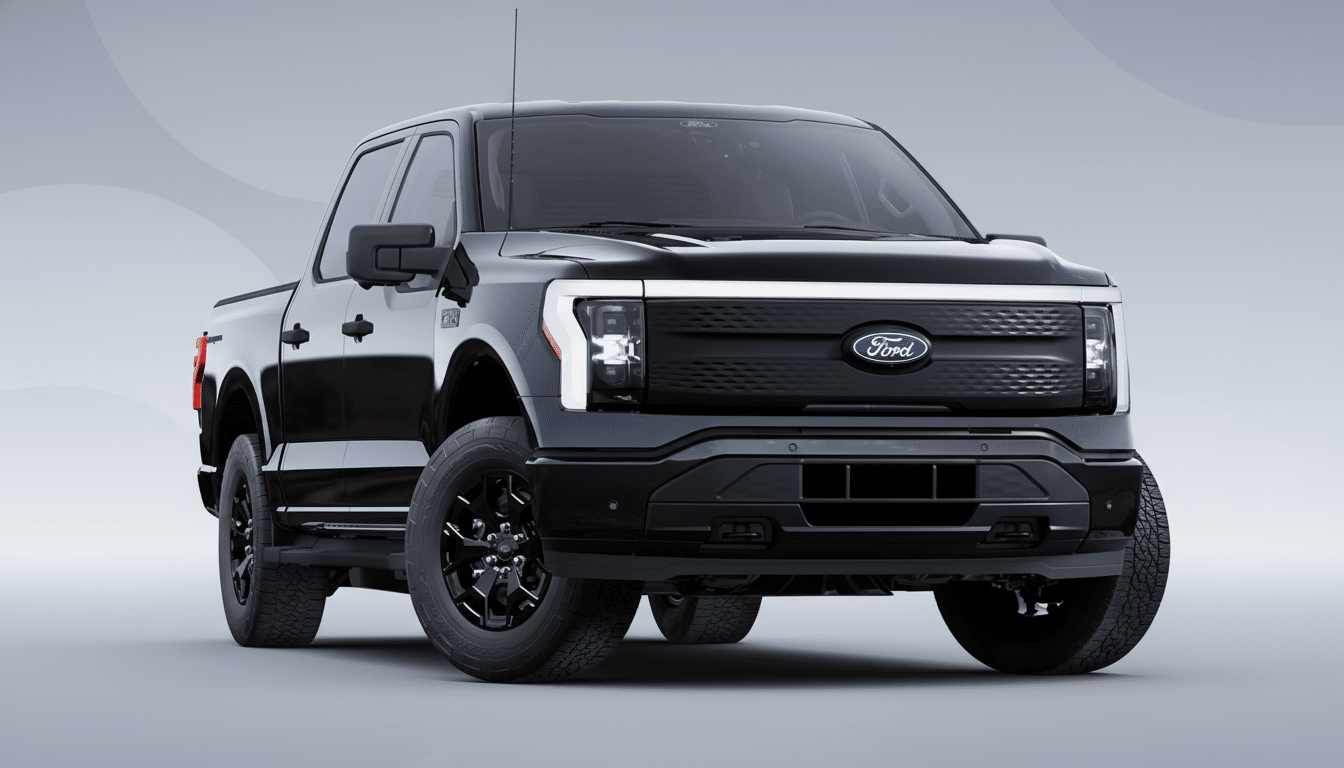
Why Ford Is Pivoting Toward an Extended-Range F-150
Truck owners skew toward heavy-duty usage patterns, and those stress pure EVs. Well-to-wheel range degradation in the cold of 20–40% observed by third-party testing, and the inefficiency of towing, could prove a serial-hybrid approach rationale for full-size trucks. Charging availability and trip planning are top challenges that J.D. Power surveys have found for potential EV buyers as well.
Ford has been hinting at this direction for months, as hybrids outperformed the rest of Ford’s lineup. Cox Automotive has seen sales of EVs rise but flatten in the US, supply shortages and regional charging holes slowing adoption. An EREV offers buyers electric driving for daily commuting, with a generator safety net extended on long hauls that trucks are purchased to handle.
What the EREV-based Lightning Could Offer Drivers
In an EREV, the gasoline engine works mainly as a generator to power the electric motors that still drive the wheels. It’s the same basic idea made famous through the Chevy Volt, and found in cars from BMW (the i3 REx) and Nissan (e‑Power models). Ford’s quoted 700 miles reflects pooling the battery energy and fuel tank, but they do deliver this huge leap in electric torque and smoothness.
Look for a significant electric-only range that will serve commuting and around-town errands, with the generator handing off the power during towing or highway slogs. The rebooted truck should still be able to sprint from the line in less than 5 seconds, the company states, so that gives a reasonable read on dual-motor or high-output single-motor setups still being in play. The question is how Ford juggles battery size, fuel tank capacity, and curb weight, all in the name of preserving payload and towing ratings.
Battery Storage and Ford’s AI Power Play for Data Centers
Ford is entering a grid-scale battery storage business for data centers, with a commitment of $2 billion to new production in Kentucky. The plan runs from smaller modules and containerized systems on up to 20-foot designs, a direct rival to Tesla’s Megapack and an attempt to cash in on surging power demand from AI infrastructure. Research firms, including the International Energy Agency and Uptime Institute, have cited very aggressive growth in data center electricity loading as a whole, and the stationary storage opportunity as a strategic adjacency for automakers with battery knowledge.
The move keeps Ford’s expertise in batteries alive even as the F-150 moves architecture. It also hedges the company’s exposure to cyclical vehicle demand by selling into a long-duration infrastructure market in which contracts can run for years and margins are linked to energy services rather than merely hardware.
Competition and Market Context for Range-Extended Trucks
Ford won’t be the only game in town for range-extended trucks. Ram has teased the 1500 Ramcharger, an EREV that’s announced with around 690 miles of total range and hardy towing, while GM continues to go full battery electric on its Ultium platform. And the approach of the EREV answers that call, offering BEV-like drive characteristics and relative low-speed performance with ICE-friendly range—especially in places where 350 kW chargers are few and far between.
More than trucks, Ford is building toward a universal EV platform with $5 billion in investment and has hinted at a sub-$30,000 targeted price for an electric pickup. Hybrids, EREVs, and full EVs will comprise about 50% of the company’s global volume by 2030, up from some 17% now, the company says. In Europe, where there’s higher charging density, a recent report from Electrek highlighted a 36% increase in EV sales in just one month to illustrate how local infrastructure influences product development.
What It Means for Buyers of an Extended-Range F-150
For contractors, fleets, and rural drivers, an EREV might be able to provide the best of converging worlds: silent electric operation on site; fast refueling for runs across a state line, where diesel’s mileage advantage is most dazzling; consistent performance towing loads. Home charging still cuts operating costs, but the onboard generator mitigates the necessity of overbuilding battery capacity.
Trade-offs remain. An engine brings routine maintenance, emissions on long trips, and weight that can take away from payload. Incentives might also vary for EREVs and PEVs, whose real-world efficiency will depend on how much you run the generator. Buyers will want to look closely at the EPA-rated electric-only range and how quickly the truck charges, both important factors in daily-cost math.
What to Watch Next as Ford Finalizes EREV Specifications
The exact battery size, gasoline tank capacity, and final towing and payload specs are all wild cards here, as well. For commercial users, other things like fleet telematics packages and bidirectional power capabilities, too, will be as important as warranty terms.
Should Ford hit that 700 miles while also maintaining the performance and work-truck numbers, the rebooted Lightning could help reset expectations for electrified pickups—and provide a handy bridge to a future where charging is as common as gas stations.
