


I still pay flagship prices for one reason that refuses to budge: the camera. After cycling through dozens of mid-range Android phones over the years, I keep coming back to top-tier models because they deliver photos and video I can trust every time, not just in perfect light. When the shot matters—kids sprinting, city nights, wildlife at a distance—I want the image, not a shrug.
Zoom Is The Line Mid-Rangers Rarely Cross
Telephoto is the feature that still splits the market. True optical zoom remains uncommon in the mid-tier, and periscope systems are rarer still. Premium lines from Samsung, Google, Xiaomi, OPPO, and vivo routinely ship with 3x to 10x optical options, larger apertures, and sometimes variable or macro-capable tele modules. Mid-range exceptions exist—the kind of phones enthusiasts love to cite—but they are exceptions for a reason. If you want clean, contrasty 5x shots without digital mush, you’re almost always shopping above the midline.
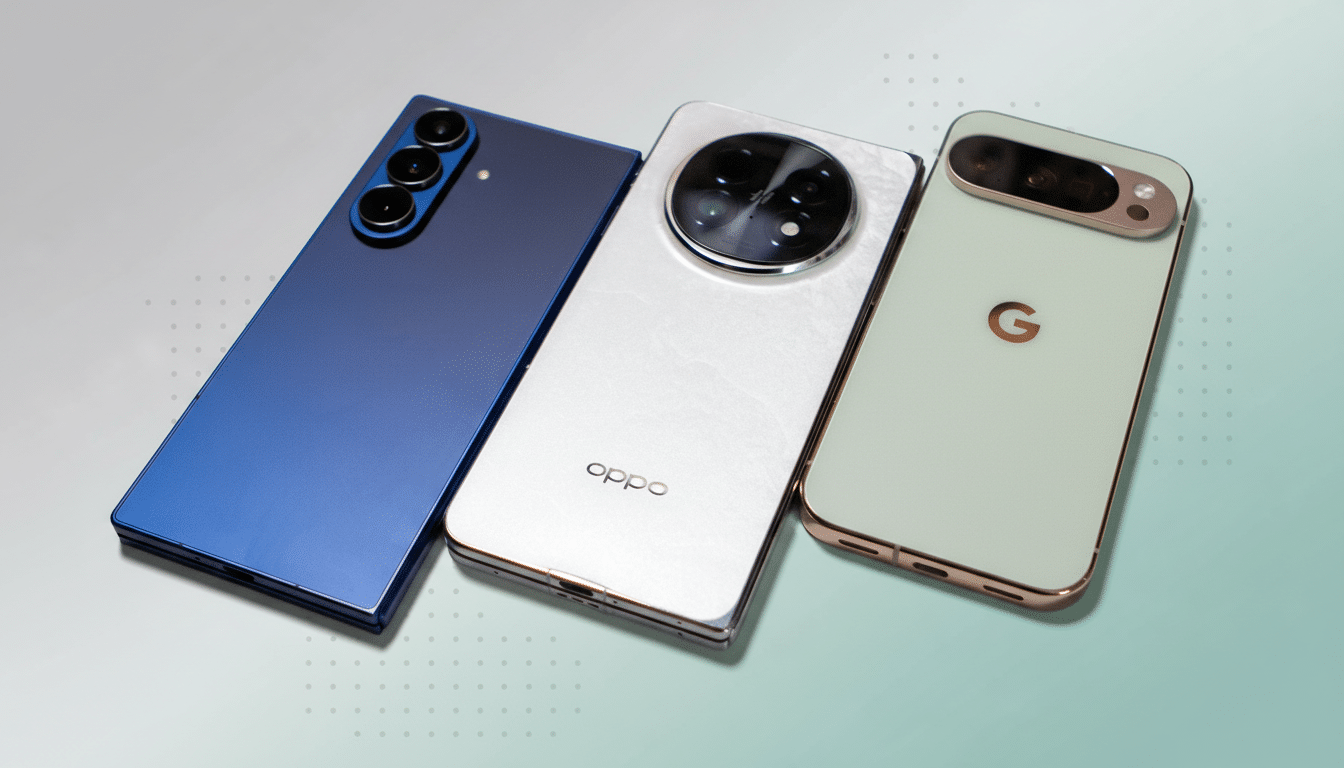
Component economics explain it. Tele modules add thickness, cost, and tuning complexity. Teardown firms like TechInsights consistently note the camera stack as one of the priciest parts of modern flagships, and manufacturers protect margins by prioritizing those modules in premium tiers. That investment shows up the first time you punch into 10x and the image still looks like a photograph, not a watercolor.
Bigger Sensors And Smarter Processing Win The Hard Shots
Yes, cheap phones take decent daylight 1x shots. The difference surfaces in the moments that break algorithms: low light without flare, freezing motion under mixed LEDs, preserving skin tones and textures without waxy smoothing. Flagship primaries typically use larger sensors, faster lenses, multi-frame HDR pipelines, and better motion metering. That stack doesn’t just lift quality; it raises the floor, so “tough” shots become routine.
You can see it in independent rankings. DXOMARK’s top tier remains dominated by premium devices, where computational pipelines and optics are tuned as a system. Mid-rangers appear, but rarely at the very top. It’s not a mystery—it’s physics plus processing power.
Ultrawide And Video Quietly Benefit Too
I’m not an ultrawide superfan, but better ultrawide hardware stabilizes video and expands versatility. Many brands use the ultrawide for “super steady” modes for a reason: the broader field of view tolerates more motion and crop. On higher-end phones, you also get richer video options—4K/120fps, cleaner 4K/60 across lenses, and 8K modes that avoid the moiré and focus hunting that tank lesser sensors. Some phones even default to ultrawide for 8K capture because it keeps detail and rolling shutter in check. These are the touches that make your clips usable, not just spec-sheet bait.
Software Partnerships Matter More Than Marketing
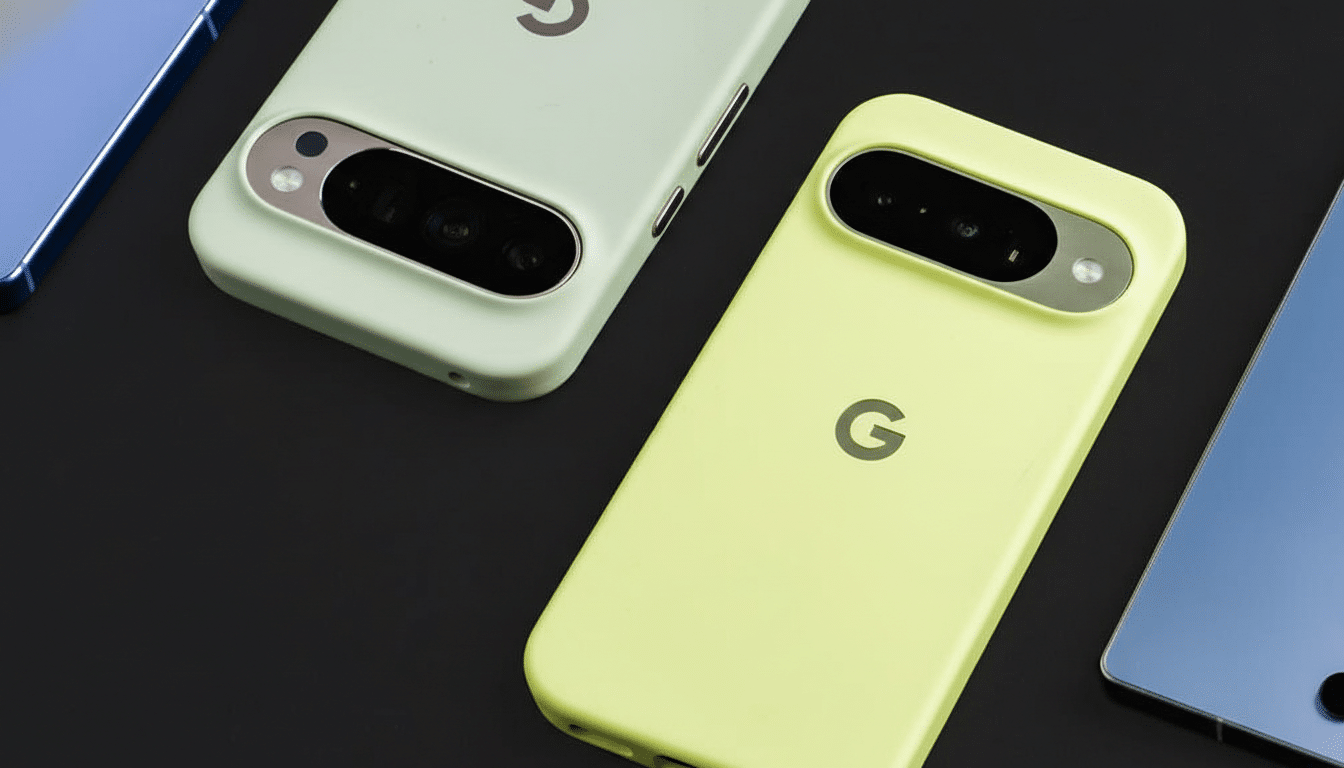
Brand collaborations aren’t just logos. Color science and features born from partnerships—Leica on Xiaomi, Hasselblad on OnePlus, ZEISS on vivo—bring distinct profiles, film emulations, and modes like XPAN that you actually use. Flagship-grade phones also tend to get the full suite of computational extras: night portrait refinements, advanced subject segmentation, long exposure and action effects, and cloud-assisted video enhancement features that simply don’t trickle down reliably to the mid-tier.
Just as important, premium models usually receive the first and fullest camera updates. New tone-mapping, noise models, and autofocus improvements often land on the top devices months earlier, if they reach cheaper models at all. That cadence keeps a flagship’s camera evolving long after launch, which matters more to me than another 2 GB of RAM or a brighter display spec.
The Data Says Cameras Drive Premium Demand
Consumer research from firms like Counterpoint and IDC repeatedly lists camera quality among the top purchase drivers in the premium bracket, alongside battery life and durability. That aligns with what you see in the market—the highest-profile launches lead with imaging, and the bulk of brand advertising centers on zoom reach, night video, and skin tone accuracy. When the thing you value most is the thing brands spend the most to improve, paying for the tier that funds that progress makes sense.
What It Would Take To Leave Flagship Behind
My checklist for a mid-range defection is simple and ruthless: a stabilized telephoto with real optical reach, a larger primary sensor with competent low-light processing, an ultrawide that doesn’t collapse in video, and the same headline software modes offered on the brand’s flagships. Not a marketing demo living in a corner of the camera app—a reliable feature that survives updates, with tuning support for years.
Until that package shows up consistently below the premium line, I’ll keep buying flagships for one reason that counts. I can compromise on screen resolution, RAM, wireless charging, even on-chip AI tricks. I won’t compromise on the photograph I can’t retake.
