


This week in security provided a stark reminder that the tools we trust most — and our most personal habits — can be turned against us.
Researchers discovered that some Firefox extensions were far from harmless, using stealthy tactics to steal data and hijack browsing, and came upon a cache of stolen data related to Pornhub premium users that suggests targeted extortion. Factor in Google’s retirement of a consumer safety tool, and a new regulatory fine for a leading password manager, and what you see is an image of the threat landscape that keeps getting messier — and more personal.
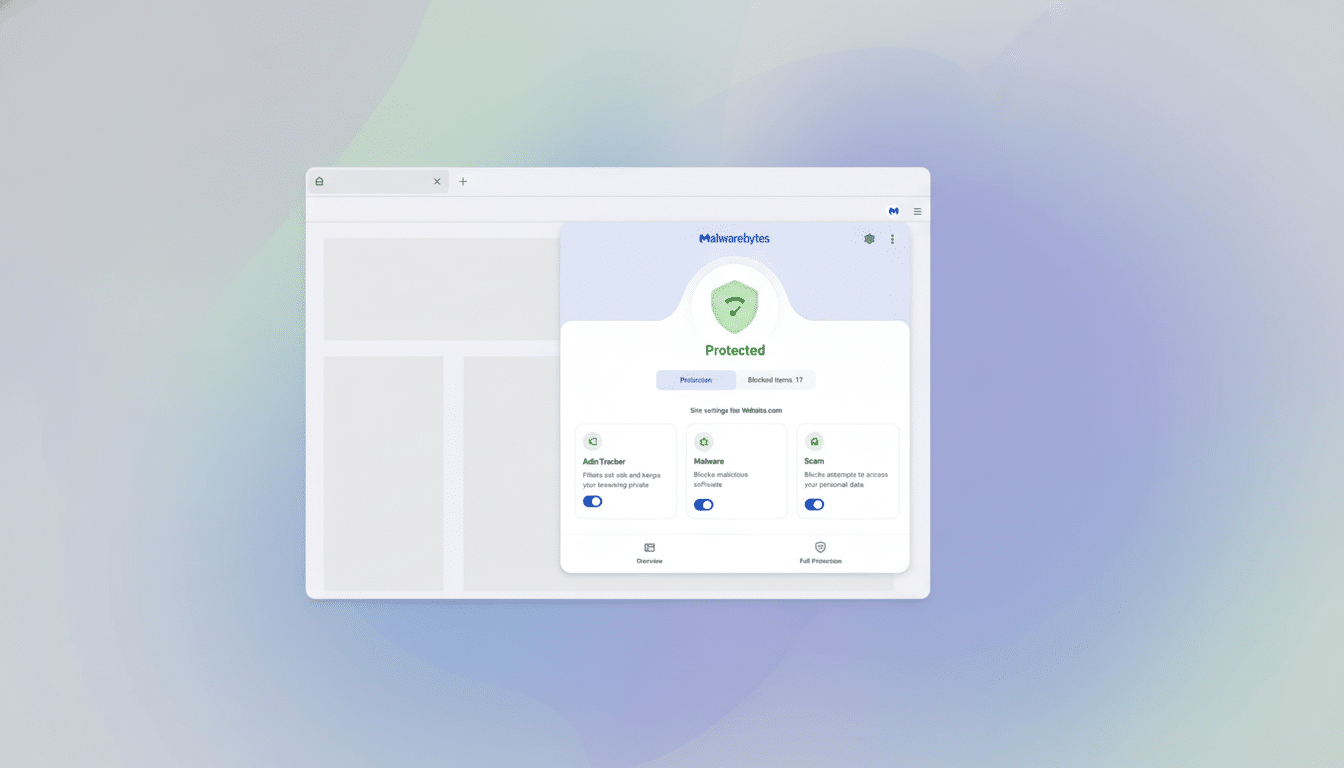
Firefox Add-Ons Macronyx’d With Image-Hidden Whackatoo Malware
There are 17 Firefox extensions that can secretly take users to a malicious site and avoid interception by security software by disguising malware as harmless PNG graphic files, according to Koi Security.
The PNG is a loader that fetches more code from a remote server and spawns with non-standard timings so as to make forensic detection difficult, researchers explain.
The capabilities are far richer than garden-variety adware. Among other things, the malware is capable of stealing and diverting affiliate links, monitoring browsing activity, removing security headers from the pages you visit — and it can even thwart an elementary form of bot defense such as CAPTCHAs. Cybernews compiled a list of the offending add-ons, which allegedly included a “free VPN,” translation tools, weather widgets, and media downloaders — several that remained live on the official add-ons marketplace at press time.
The takeaway here is sobering: think of browser extensions as a software supply chain of its own. Even legitimate projects can be sold, updated, or hijacked into something toxic overnight. Treat them like any other executable — just install what you need, be very selective with permissions, and periodically check up on what else is in there.
Stolen Pornhub Data Drives Extortion Threat
In a separate incident, attackers said they stole more than 94 gigabytes’ worth of data associated with Pornhub’s premium subscription services, including search histories and viewing activity. Although this data is still under review, the sensitivity of this information has already made it an excellent lever in parlor-trick extortion schemes. This has become a playbook that security teams have seen play out time and again: attackers combine purloined personal details with private browsing habits in an effort to exact hush money from victims.
OpSec matters here more than most places on the internet. Use burner emails that aren’t linked to your real identity, think about virtual card numbers or private payment services, and don’t reuse usernames between platforms. As with any breach exposure, this is a good reason to turn on strong, unique passwords and 2FA whenever you can.

Google Stops Consumer Dark Web Monitoring
In the midst of these privacy shocks, Google announced that it’s killing off its Dark Web Report — a feature that scanned for leaked personal info, which leaves users to find other monitoring tools. Services outside the companies themselves, like Have I Been Pwned, have long established a standard for breach notifications, and today some standalone password managers like 1Password and identity protection services offer continuous leak alerts and credential exposure checks that are more proactive than periodic scans.
The larger trend is obvious: passive lookups are being replaced with continuous monitoring, credential health scoring, and automated password rotation. Though many apps don’t alert in real time, there are other indicators that a site you trust has been breached. Consumers should focus on tools that issue real-time alerts and integrate with password managers to close the loop fast.
Regulator Fines LastPass After Thefts From Its Vault
In a continuation from the 2022 compromise that exposed vaults (recorded customer-password data, encrypted) and user details, the UK Information Commissioner’s Office fined LastPass £1.2M for failing to safeguard customers’ information. According to reports at The Register, the breach impacted around 1.6 million people in the UK and resulted from stolen source code and a keylogger attached to an employee’s home computer.
Vaults stay encrypted without the master password, but the episode shows how adversaries link deficiencies — developer environments, cloud keys, and home endpoints — to valuable targets. If you are still dependent on LastPass, make sure you have rotated master passwords and reset any important login credentials stored prior to the time span of the breach.
Attack Surface Now Includes Humanoid Robots
Elsewhere, humanoid robots being deployed in workspaces and homes are huge security vulnerabilities, according to research cited by Dark Reading. Unlike personal computers, these devices are “networks of networks,” with sensors and embedded controls that tend to be undemanding, if not downright neglectful, of standard security tools. The more realistic near-term threat is not sci-fi cataclysm but surreptitiously compromised robots funneling information back to their manufacturers, or being hijacked to join armies of bots.
What You Can Do Now to Strengthen Your Security
A few practical steps can reduce your exposure right away.
- Begin with your browser: strip out any extensions you don’t use weekly, shun “free” utilities that require overbroad permissions, and lock down settings that allow software installations from outside the official stores. Occasionally check an extension’s changelog for an “ownership drop-down.” This can be a sign of trouble.
- For identity-heavy services, use distinct identities — unique emails, usernames that aren’t cross-referenced around the web, and payment methods with no trail back to your primary billing information. Turn on breach monitoring, cycle exposed passwords in any incident, and keep your credentials in a reputable password manager.
- If you’re using an affected service such as LastPass, consider a vault rotation for sensitive accounts and enable hardware-based 2FA where available. And if you’re thinking about next‑gen connected devices — robots included — ask vendors about their update policies, what data they’ll hold on to and for how long, and who else might get access before buying.
