


The Food and Drug Administration has granted accelerated approval to Genglycos, the first approved treatment for glycogen storage disease type Ia, or GSDIa, a rare inherited condition that can cause dangerous drops in blood sugar. The one-time gene therapy is authorized for adults and children 8 and older, alongside nutritional management, to reduce the amount of cornstarch patients need each day.
The Aug. 19 action creates a new option for families who often must organize eating and cornstarch doses around the clock to maintain blood glucose. But the approval does not establish that the treatment prevents hypoglycemia or improves long-term health outcomes. The FDA based its decision on reduced cornstarch intake, a surrogate measure, and has required the manufacturer, Ultragenyx Pharmaceutical, to conduct further clinical trials to verify clinical benefit.
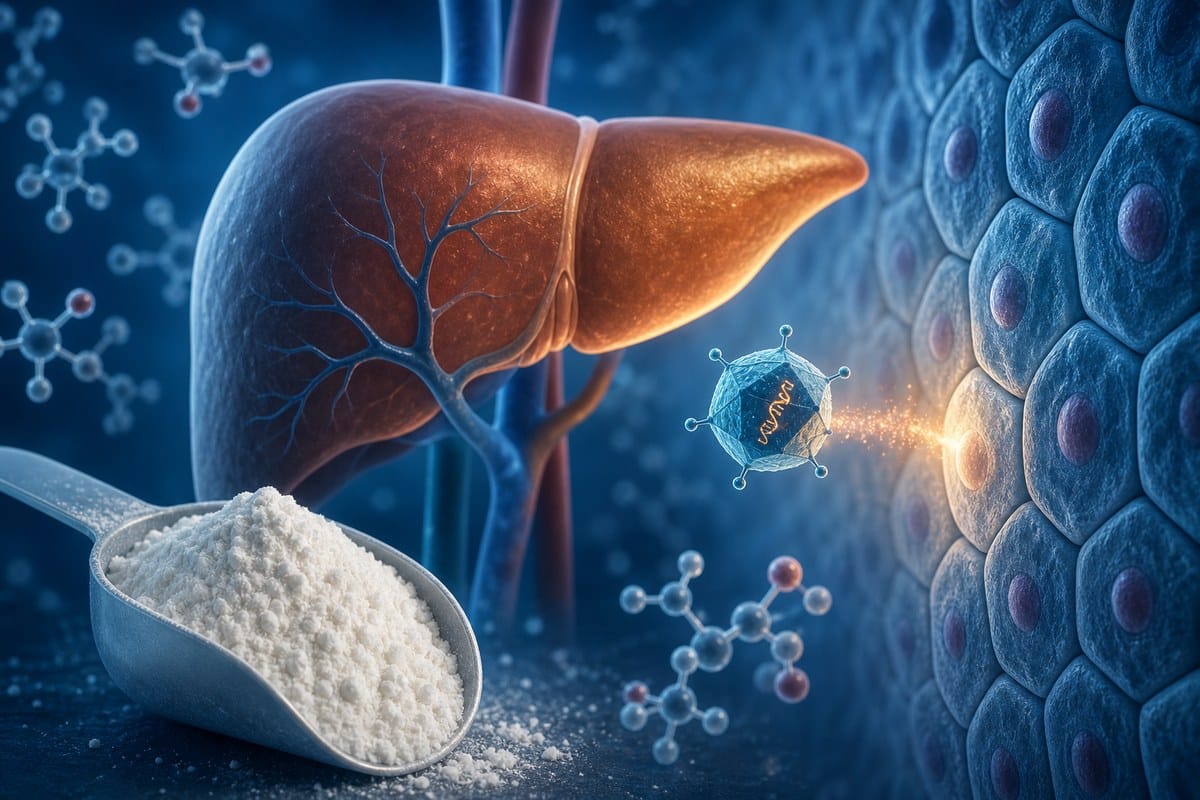
What Genglycos is designed to do
GSDIa results from a deficiency of glucose-6-phosphatase, known as G6PC. The enzyme normally helps the liver and kidneys release glucose into the bloodstream. Without enough functioning enzyme, the body has difficulty maintaining blood sugar between meals and during fasting. People with the condition can face severe hypoglycemia and depend on frequent feeding and carefully timed doses of uncooked cornstarch, which provides a slower source of glucose.
Genglycos, whose scientific name is pariglasgene brecaparvovec-opnr, is an adeno-associated virus serotype 8, or AAV8, gene therapy. It is designed to deliver a functional G6PC gene to liver cells in a single administration. The treatment is not approved to replace dietary care; its FDA indication specifically makes it an adjunct to nutritional management.
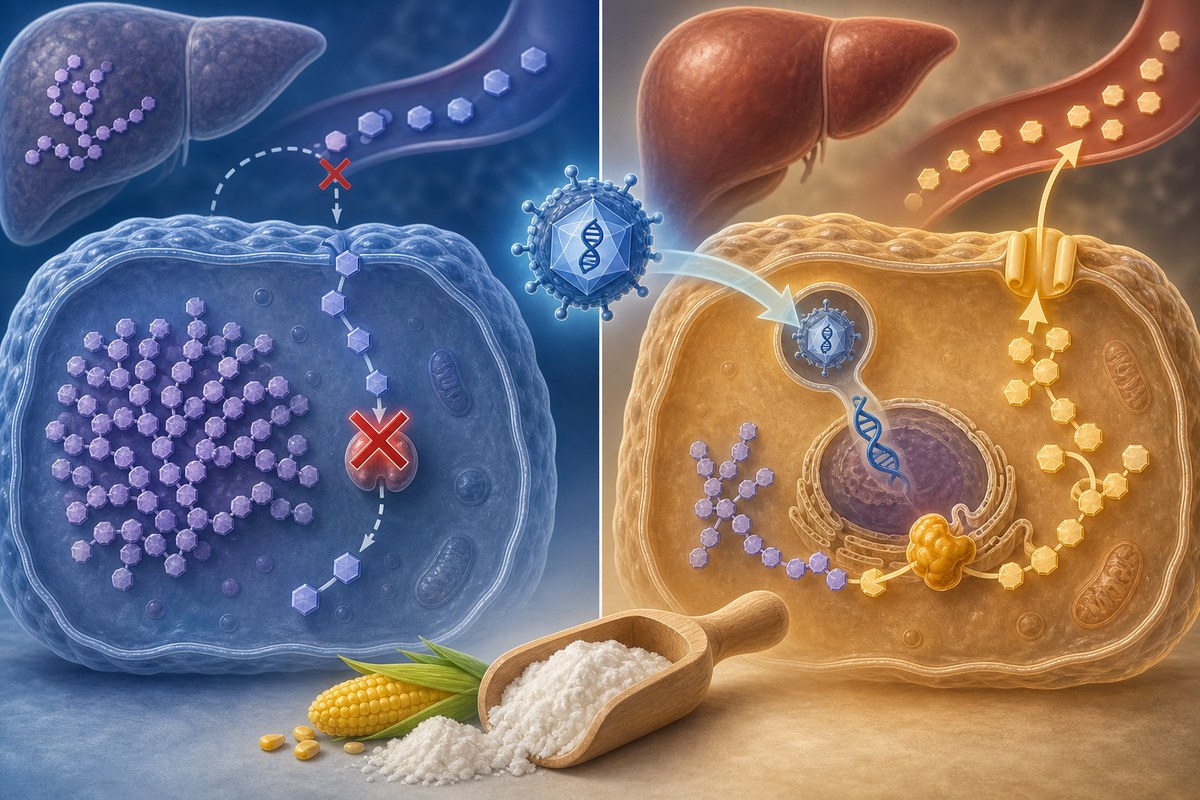
The distinction is practical as well as scientific. A therapy that reduces the needed amount of cornstarch may ease a demanding part of daily disease management. It is not, based on the available evidence, proof that patients can safely stop monitoring diet or that the therapy has corrected every consequence of the disorder.
Trial result supported an accelerated approval
In the randomized, double-blind, placebo-controlled study described in the FDA approval announcement, participants were followed for 48 weeks after dosing. Patients receiving Genglycos had a statistically significant mean reduction in daily cornstarch intake of 31% compared with placebo, the study’s primary endpoint. They also took, on average, one fewer cornstarch dose a day than people in the placebo group.
WebMD reported that the pivotal study enrolled 46 people ages 8 and older. That is a small trial, as is common in research on rare diseases, and it limits how precisely less common benefits and harms can be estimated. Random assignment and the placebo comparison strengthen the conclusion that treatment caused the observed difference in cornstarch use under the trial conditions. They do not answer whether that difference translates into fewer medical complications over years.
The approval’s accelerated status reflects that evidentiary boundary. FDA identified daily cornstarch reduction as the surrogate endpoint supporting the decision and said Ultragenyx must complete additional clinical studies to confirm effectiveness. The agency’s announcement does not claim that the therapy has been shown to prevent severe low blood sugar, seizures, liver complications or death.
There is also a result that complicates a simple reading of lower cornstarch use as improved glucose control. FDA reported a numerical mean increase of 3%, compared with placebo, in the proportion of glucose readings in the hypoglycemic range below 70 milligrams per deciliter among treated patients. A numerical difference is not the same as a demonstrated treatment effect, and the agency did not present it as one. Still, it underscores why reduced cornstarch consumption alone cannot settle the question of clinical benefit.
Safety risks remain part of the decision
Gene therapies can offer a way to deliver a working gene, but they also require careful attention to adverse effects and follow-up. Across two clinical studies of Genglycos, the FDA said serious adverse reactions included anaphylaxis, adrenal insufficiency, elevated lactate levels and hypoglycemia. Hypertriglyceridemia, or high triglycerides, occurred in 29% of treated patients, compared with 8% of placebo recipients.
The prescribing information includes warnings for anaphylaxis, liver toxicity, adrenal insufficiency and tumorigenicity, referring to the potential for tumors. FDA also says Genglycos should not be used during pregnancy. Those risks call for clinician-directed monitoring and discussion when patients and specialists weigh a one-time treatment against its potential to reduce a lifelong dietary burden.
Independent medical coverage has described the study as the GlucoGene trial and emphasized the potential reduction in management demands for people with GSDIa. But as Medscape’s account of the FDA action also makes clear, the treatment enters practice under an accelerated approval rather than after confirmation of clinical benefit in additional studies.
For now, the measurable finding is narrower than a cure: in a controlled 48-week trial, Genglycos recipients used less cornstarch than placebo recipients. The next studies will determine whether that change can reliably deliver the outcomes patients need most while maintaining an acceptable safety profile.

