


Datacenter proxies are a type of proxy that is commonly used by individuals and businesses for various online activities. They are placed between the user’s device and the websites visited to help hide the user’s IP address. Datacenter proxies are generated and hosted in a professional data center while residential proxies are assigned by internet service providers. They are typically referred to as speedy, stable, and readily available, as they do not rely on physical addresses.
What are Datacenter Proxies?
When you route traffic through a datacenter proxy, the website you visit sees the proxy’s IP address instead of yours. Your real location and network stay hidden, and the site treats the request as if it came from the data center.
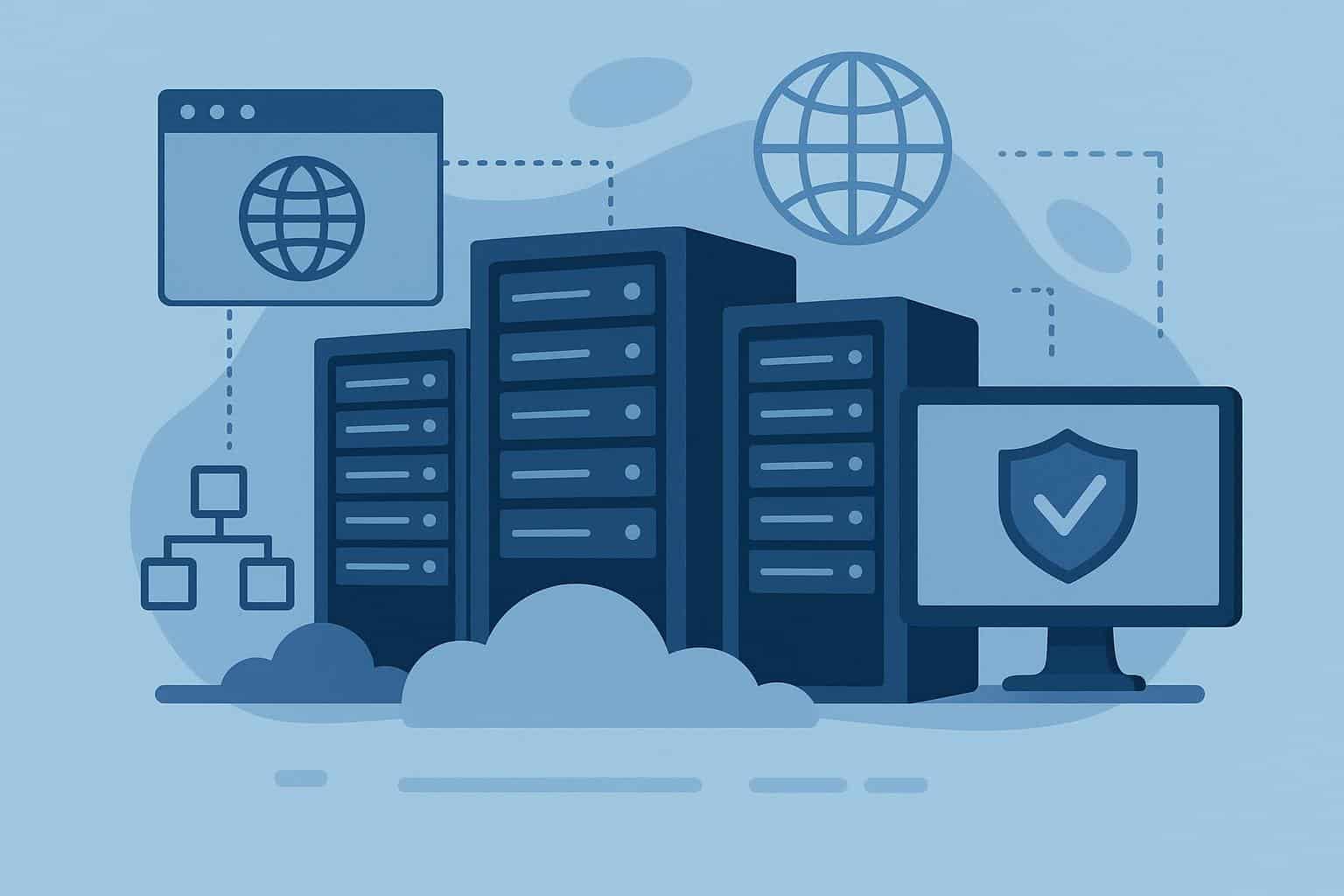
This is useful for a wide range of legitimate work. Businesses rely on datacenter proxies to run market research, test how a website behaves from different regions, monitor publicly available data at scale, and manage multiple online operations without exposing their own network. The proxy becomes a clean, disposable identity that keeps internal infrastructure out of view.
Datacenter proxies also come in two main forms. Shared proxies are used by several people at once, which keeps the cost low but means you have no control over how others treat that IP. Dedicated proxies are assigned to a single user, giving you a clean IP history and predictable performance. For anything serious, dedicated proxies are almost always worth the extra cost.
Benefits of Using Datacenter Proxies
1- Speed is the headline advantage. Datacenter proxies run on powerful servers with high-bandwidth connections, so they deliver fast response times and stable throughput. That matters in any environment where rapid access to information is critical, such as automated data collection, large-scale website testing, or pulling publicly available content on a schedule.
2- Scale is the second draw. Because these IPs are generated inside data centers rather than pulled from real households, providers can offer massive pools at a low price per IP. You can rotate through hundreds or thousands of addresses without the cost climbing the way it does with residential options.
3- Security and separation round out the list. Datacenter proxies reduce the direct exposure of your own network during everyday tasks, and they let businesses isolate different projects, track website performance, and run research across multiple sites without cross-contamination.
Anyone looking to buy proxy services should weigh connection speed, IP pool size, server locations, uptime, and support quality before committing to a provider. Price alone is a poor filter.
Where Datacenter Proxies Fall Short
No proxy type is perfect, and datacenter proxies have clear trade-offs worth understanding before you deploy them.
The main one is detectability. Datacenter IPs belong to hosting providers, and their ASN (the network identifier that shows who owns an IP block) is publicly known. Some websites keep lists of these ranges and apply extra scrutiny to traffic that comes from them. If a site notices heavy automated activity from a datacenter range, it may throw more CAPTCHAs, rate-limit the connection, or block the request outright.
This is why matching the proxy to the task matters so much. Datacenter proxies are excellent for high-volume, speed-sensitive work on sites that do not fingerprint aggressively. For heavily protected targets that expect real household traffic, residential proxies are the better fit. Choosing the right tool for the job is the single biggest factor in whether a project succeeds.
Here is a quick comparison to make the choice clearer:
| Factor | Datacenter Proxies | Residential Proxies |
|---|---|---|
| Speed | Very fast | Moderate |
| Cost | Low | Higher |
| Detectability | Easier to detect | Harder to detect |
| Pool size | Very large | Large but variable |
| Best for | Speed and scale on open sites | Blending in on protected sites |
Selecting the Appropriate Proxy Service
Once you have decided datacenter proxies fit your use case, the provider you pick makes or breaks the experience.
A strong provider should offer near 100% uptime, multiple data center locations, and 24/7 support so problems get solved when they happen rather than the next business day. Transparent service information is a good sign too, since it shows the provider is confident in what they deliver. Independent reviews are worth reading before you commit, because marketing pages rarely tell the full story.
It also helps to think about your workflow. If you plan to automate, check that the provider supports easy integration, clear authentication, and the rotation settings your tools expect. A cheap proxy that fights your stack every step of the way is not a bargain.
Conclusion
Datacenter proxies give internet traffic a fast, efficient path through different IP addresses, and they are a strong fit for privacy, research, testing, and any other legitimate work on the web. The key is knowing both what they do well and where they fall short, then matching that to your specific needs.
Used responsibly and within the terms of the sites you access, they are one of the most cost-effective tools available for operating online at scale.

