


Choosing the Right Approach for Your Extracellular Vesicle Isolation Protocol
For researchers diving into the world of intercellular communication, extracellular vesicle isolation often represents the most challenging yet decisive step in the entire experimental workflow. These nano-sized particles, once dismissed as cellular debris, are now recognized as key players in cell-to-cell signaling, disease progression, and therapeutic delivery. However, isolating pure and intact vesicles from complex biological fluids like plasma, serum, or conditioned media requires precision, reproducibility, and method selection that matches your specific research goals. Whether you are studying cancer metastasis, neurodegenerative disorders, or regenerative medicine, the quality of your downstream data—proteomics, RNA sequencing, or functional assays—hinges entirely on how cleanly you separate vesicles from protein aggregates, lipoproteins, and other contaminants.
The market offers several techniques for extracellular vesicle isolation, and no single method fits every research question. Ultracentrifugation remains the gold standard for bulk isolation, but it often co-pellets protein complexes and damages vesicle membranes. Size-exclusion chromatography provides gentler separation and preserves vesicle integrity, making it ideal for functional studies. Precipitation-based kits offer speed and simplicity, though they may introduce polymer contaminants. For researchers in Türkiye balancing tight budgets and demanding reproducibility requirements, the key is to match your isolation method to your downstream application. If you need high purity for proteomics, a combination of filtration and affinity capture may be optimal. For clinical samples where throughput matters, automated column-based systems can reduce hands-on time significantly.
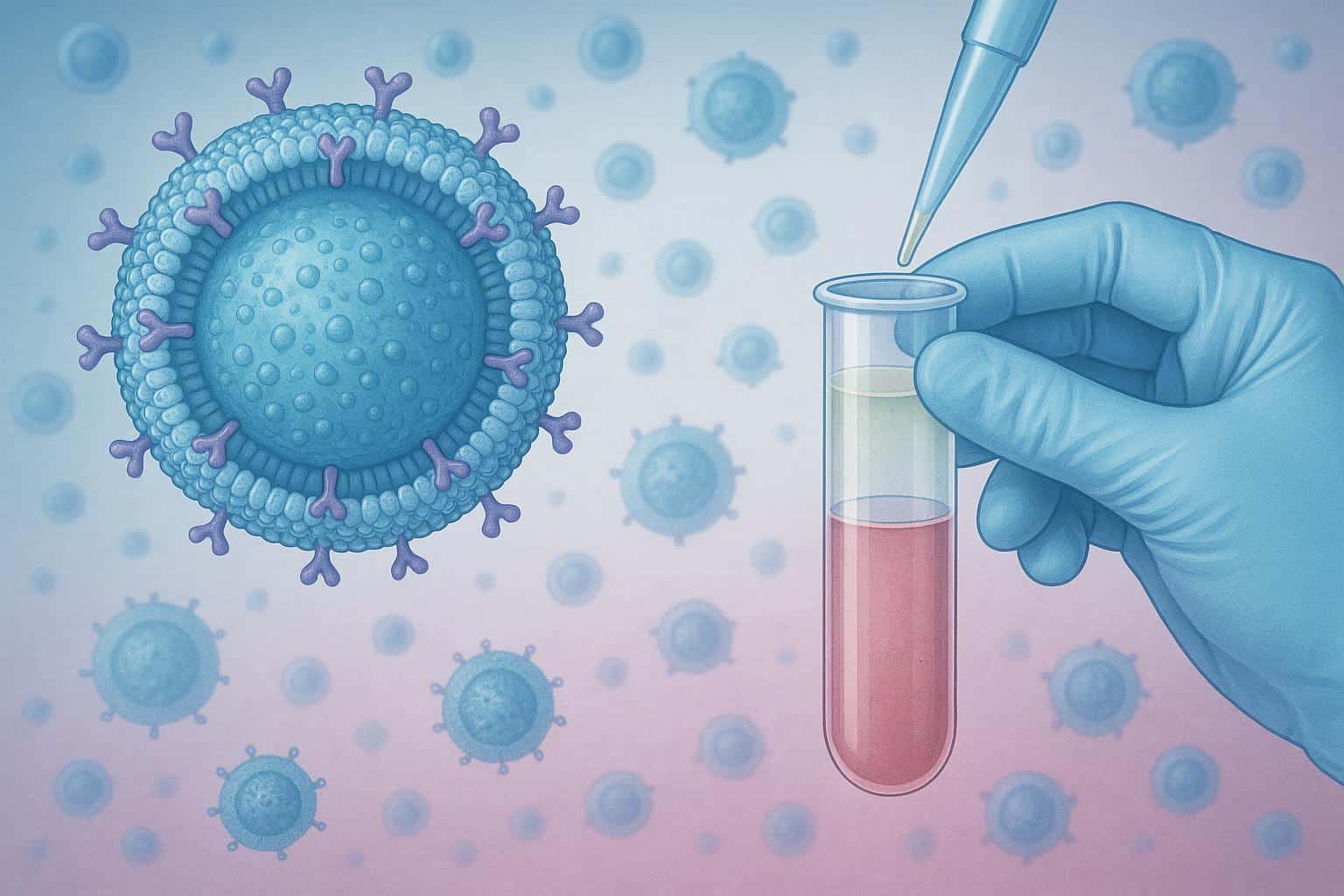
The growing interest in liquid biopsy has also driven innovations in extracellular vesicle isolation from blood and urine samples. Protocols must now account for variable viscosity, lipid content, and patient-specific factors. Researchers working with low-volume samples, such as those from pediatric studies or rare disease cohorts, increasingly turn to microfluidic devices that capture vesicles by size or surface markers. These advances underscore why standardized, quality-controlled reagents and consumables matter—you need consistency across batches and laboratories to ensure your results are reproducible.
At this point, the excitement around extracellular vesicle isolation must be balanced with practical considerations. Specialized equipment, validated buffers, and high-purity columns are not always stocked by local distributors, and delivery delays can jeopardize time-sensitive experiments. This is why many Turkish research groups and biopharma labs now prefer online shopping from a reliable address that consolidates trusted international brands in one place. Instead of sourcing columns from one supplier, antibodies from another, and purification kits from a third, you can streamline procurement and reduce logistical headaches.
For researchers and life science professionals seeking a dependable partner in this rapidly evolving field, the Altium Web-shop offers a curated selection of products specifically for extracellular vesicle isolation, alongside advanced cell analysis and 3D cell culture solutions. Altium US supports researchers, laboratories, and life science professionals with innovative technologies from trusted global brands. Their online store brings together carefully selected solutions for advanced cell analysis, 3D cell culture, extracellular vesicle isolation, biopharma drug discovery, and diagnostics. By managing the complexities beyond the laboratory—from sourcing to technical support—they help researchers focus on what matters most: advancing science and achieving meaningful results.

