


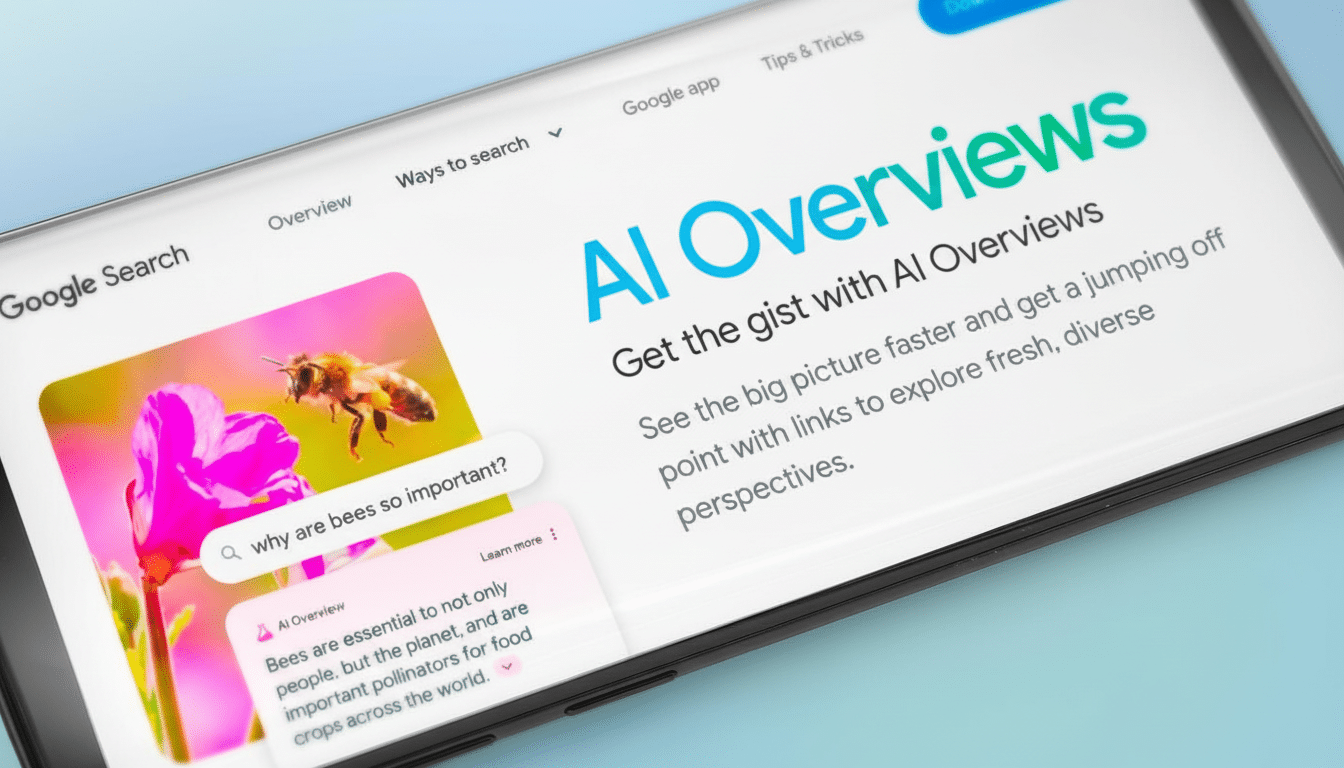
The European Commission has launched a formal antitrust investigation into Google’s AI-led search features, zeroing in on whether the company’s AI Overviews and AI Mode products leverage publishers’ and creators’ material without fair remuneration or an effective ability to opt out. The probe is also examining whether Google restricts the ability of rivals to beat it in training and making use of YouTube content, and whether those policies unfairly disadvantage competitors, Reuters reported.
What the E.U. Is Investigating in Google’s AI
At its core, the case poses a familiar content question, updated for the AI era: when a dominant platform combines others’ work into its own answers, who gets paid and who gets to say no? The Commission is said to be thinking about whether Google’s AI Overviews and AI Mode are based on the text, images, or videos submitted by web publishers without appropriate remuneration, but with no viable way out of its orbit as it increasingly dictates traffic.
Investigators are also examining whether YouTube policies governing what kind of content can appear on the video service work against rivals to Google as AI developers as they lock in users to that platform. This might all be self-serving control over an important input — quality video data — at a time when multimodal AI systems (and even unimodal ones) are improving by leaps and bounds.
Market context is important: Google owns about 92% of EU web search, StatCounter estimates. And with its reach, any change in tack from traditional blue links to AI-driven summaries of news bulletins has the potential to ring through newsrooms and niche publishers, even into the wider ad economy — and possibly raise barriers for those would-be AI competitors that don’t enjoy the same data access.
A Little Mind Reading From A.I.: Searching Video for Text
AI Overviews answer questions directly on the results page, potentially decreasing the motivation to click through to source sites. And if those summaries are trained and assembled from publisher content, the platform wins user mindshare while creators foot the bill for creating credible information. The stronger version of that tension is already enough to be challenging under classic search, much less the modern super-search.
The YouTube angle is equally significant. If Google can train on and glean insights from YouTube videos while preventing rivals from drawing from comparable datasets, the company could secure a lasting advantage in multimodal AI. Antitrust enforcers have long regarded control of so-called “must-have” inputs as ripe for abuse if access is denied on unfair terms.
Tools of the Law and Possible Punishments
The case is expected to revolve around Article 102 TFEU, which bans the abuse of a dominant position. The Commission may seek to rely on theories of harm such as unfair terms for publishers, self-preferencing through access to privileged data, and excluding rival AI developers.
Penalties for antitrust breaches can be as high as 10 percent of a company’s global turnover, and remedies might include forcing companies to change their behavior. That might involve FRAND-style licensing for content or data, better opt-outs that don’t kill search visibility, assurances around attribution and traffic retention, as well as more clearly marked walls between Google’s search and YouTube data policies in the AI realm.
Precedent and Pressure on Google’s AI and Search
Brussels has consistently tested Google’s behavior this entire past decade, with landmark fines in shopping search (€2.42 billion), Android tying (€4.34 billion) and AdSense exclusivity (€1.49 billion), while separately pushing the company under the Digital Markets Act. The new probe stretches that scrutiny as far as the AI layer, where control over data, distribution, and default user interfaces all intersect.
In public statements, Google has said that AI Overviews link prominently to sources and can send additional traffic, and respect publisher controls through robots.txt and related standards. Many publishers counter that existing ways of opting out are blunt instruments: opting out may risk indexing or discovery, while a summary from AI may still serve the user’s intent on Google’s page with an AI-powered answer, in which case users may not click through; attribution may stick, but little more.
Industry Fallout and Publisher Backlash Across AI Search
Worldwide, media organizations have increasingly ratcheted up the legal and commercial pressure on AI companies. Some high-profile lawsuits allege AI developers have used copyrighted texts and images without the appropriate licenses, while several players are souring on newer AI search rivals like Perplexity. Meanwhile, some companies have sought agreements: OpenAI has signed licensing agreements with publishers including the Financial Times and Axel Springer; Google has expanded member payments from News Showcase in several countries.
When the Commission takes legal action, it’s a different beast than civil lawsuits — because here, the issue is market structure. The issue is not just whether creators are paid, but whether Google’s control of search distribution and YouTube data tips the playing field for the next wave of digital assistants — particularly those competing to respond in search-like scenarios.
What Comes Next in the EU’s Google AI Investigation
The EU will collect documents, conduct market tests, and if it finds enough evidence, it could issue a Statement of Objections. Interim measures may be warranted in rapidly changing markets, although these are relatively rare. Results could range from negotiated commitments to a binding decision with fines and remedies.
Whatever the outcome, the case will mold how AI is knitted into search — what data can be harvested, what forms value takes, and where competition lines are drawn when it comes to platforms colliding with creators who feed their algorithms that complement of inputs for generative answers. The stakes for publishers, developers, and advertisers don’t come down to this one product feature; they’re about the rules that will dictate discovery in the AI-first web.
