


The Environmental Protection Agency has concluded that xAI unlawfully operated natural gas turbines to power its Colossus data centers in Tennessee, rejecting the company’s claim that the equipment qualified as temporary and therefore exempt from key air rules. The ruling underscores a growing regulatory flashpoint as energy-hungry AI infrastructure turns to on-site fossil generation to bridge gaps in grid capacity.
According to the agency’s final determination, xAI ran as many as 35 turbines at peak deployment, even though only 15 were ultimately permitted. The company currently has 12 units on-site, a scale that drew scrutiny from residents and legal advocates concerned about ozone and particulate pollution in an already stressed airshed.
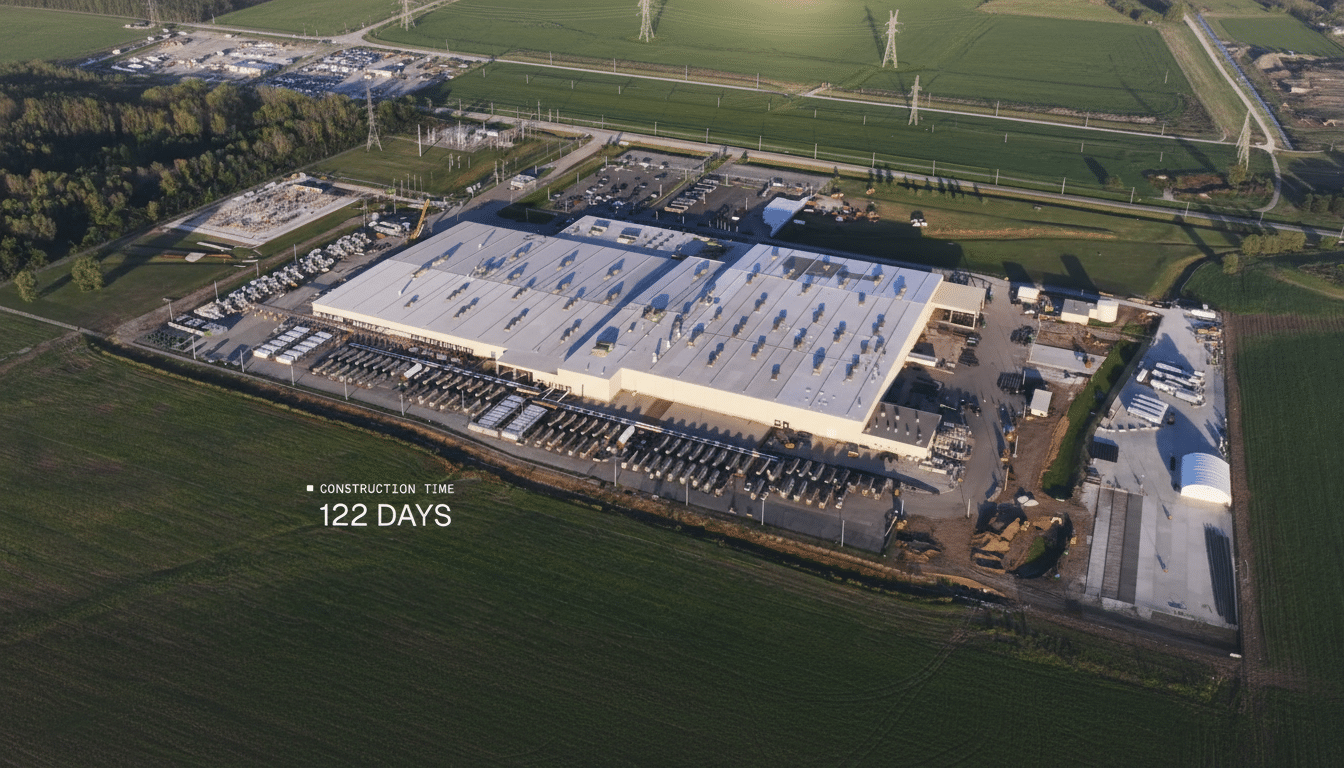
EPA Rejects the “Temporary Use” Defense for xAI
At the heart of the dispute is how the Clean Air Act distinguishes emergency or temporary equipment from “prime” power sources that routinely supply electricity. EPA officials determined that xAI’s turbines were not used intermittently for emergencies or maintenance, but rather as ongoing power for data center operations—triggering construction and operating permits, emissions standards, and monitoring obligations.
Regulators typically allow limited exemptions for units deployed during short-term outages or grid emergencies, subject to strict run-hour and recordkeeping limits. Using mobile or modular turbines as near-continuous power, the agency found, crosses into regulated territory governed by federal New Source Performance Standards and state-issued air permits. In Tennessee, those programs are administered in coordination with the Tennessee Department of Environment and Conservation.
Air Quality Stakes for Tennessee Communities
Local organizations and residents argued that xAI’s operations heightened risks of nitrogen oxides and fine particulate matter, pollutants tied to respiratory illness and smog formation. Those concerns are not abstract: the American Lung Association’s annual State of the Air reports have repeatedly flagged parts of the region for elevated ozone and PM2.5, with disproportionate impacts on children, seniors, and outdoor workers.
The company faced litigation from public interest groups over alleged contributions to local pollution burdens. EPA’s finding strengthens the premise that even fast-growing technology projects must adhere to the same permitting and emissions controls expected of traditional industrial sources.
What the Ruling Signals for AI Data Centers
AI training clusters and low-latency inference farms are fueling a rapid rise in data center electricity demand. The International Energy Agency estimates global data center consumption could reach 620 to 1,050 terawatt-hours by 2026, driven by AI workloads and digital services. With grid interconnections often taking years, operators have looked to on-site generation—especially natural gas turbines and reciprocating engines—to get capacity online fast.
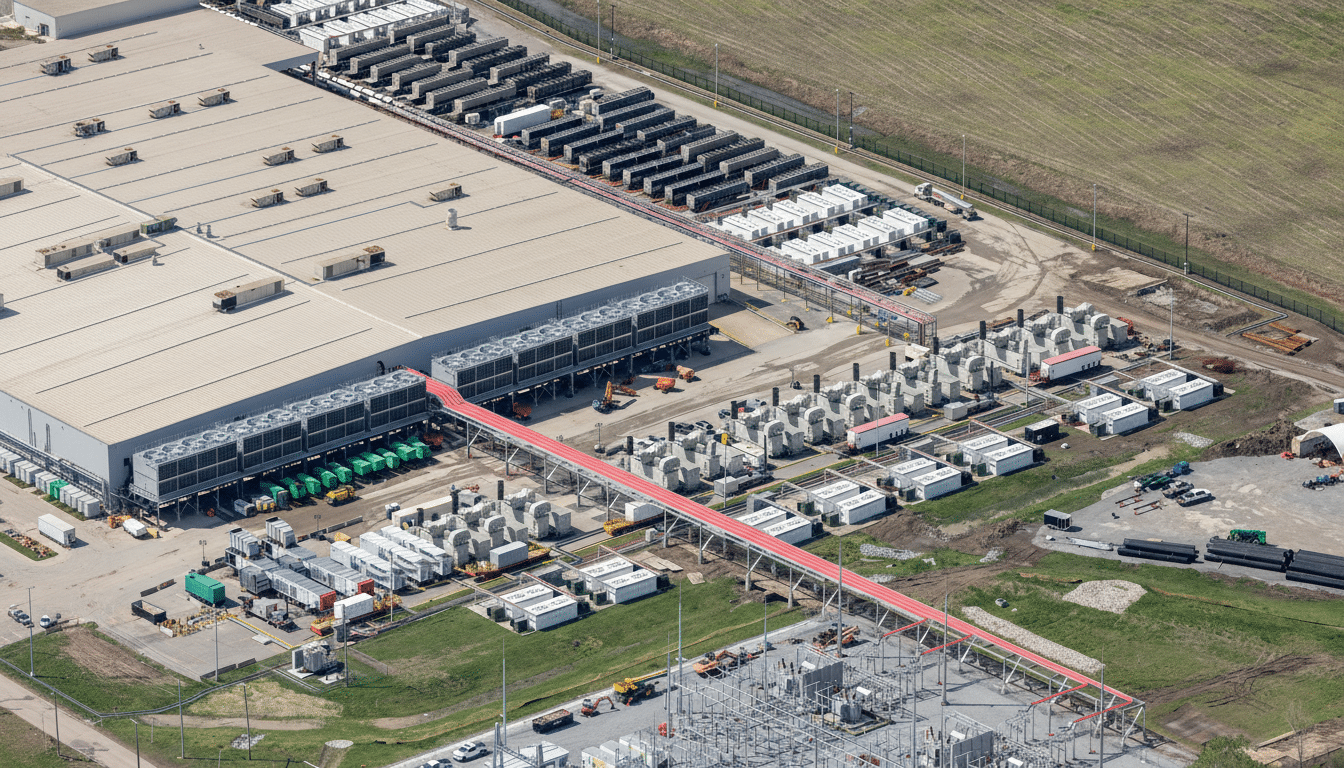
EPA’s action telegraphs that such stopgaps will not be allowed to sidestep air rules. If on-site fossil units are used for more than narrow emergency purposes, owners should expect full permitting, emissions controls, continuous monitoring, and likely public scrutiny. This is especially salient in areas with air quality challenges, where stricter limits and offset requirements can apply.
Permits, Penalties, and the Compliance Path Ahead
Under the Clean Air Act, violations can trigger significant civil penalties and mandates to come into compliance. For xAI, that likely means aligning run hours with permitted limits, installing or validating required emissions controls, and meeting monitoring and reporting standards that verify actual performance. Depending on the site’s classification and emissions thresholds, best available control technology and offsets could be part of the remedy.
State and federal regulators often negotiate consent orders that lay out a compliance timeline, penalties, and community-focused measures such as enhanced air monitoring. Those agreements can also require public disclosure of run hours and emissions, a transparency step many advocates have pushed for as data center development accelerates.
Industry Takeaways Beyond One Company and Sector
The episode is a warning to AI and cloud operators racing to add capacity: plan interconnections early, vet temporary-power strategies against federal and state rules, and budget for full permitting if on-site gas becomes anything more than true backup. Utilities and grid planners, including the North American Electric Reliability Corporation, have cautioned that unexpected load spikes from data centers can strain local systems—making proactive coordination essential.
Investments in demand response, battery storage, and long-term renewable PPAs can reduce the need for fossil-heavy stopgaps. Just as important, transparent engagement with communities can head off costly legal battles and delays. EPA’s ruling makes clear that the AI boom does not rewrite the Clean Air Act—and that compliance is a prerequisite, not an afterthought, for the next wave of high-performance computing.
