


Since 2010, phishing attacks have significantly increased. Cyber criminals have developed increasingly elaborate schemes to deceive victims into providing personal data – something which poses grave security threats.
Noticing how sophisticated phishing attacks have become is crucial. Email Scam Detectors are extremely useful. They spot and warn about suspicious emails.
- The Growing Threat of Email Phishing Scams
- Email Scam Detectors: Features and Implementation
- How Detection Technology Works
- Built-in vs. Third-Party Detection Tools
- Configuring Email Scam Detectors for Maximum Protection
- Conclusion: Creating a Comprehensive Email Security Strategy
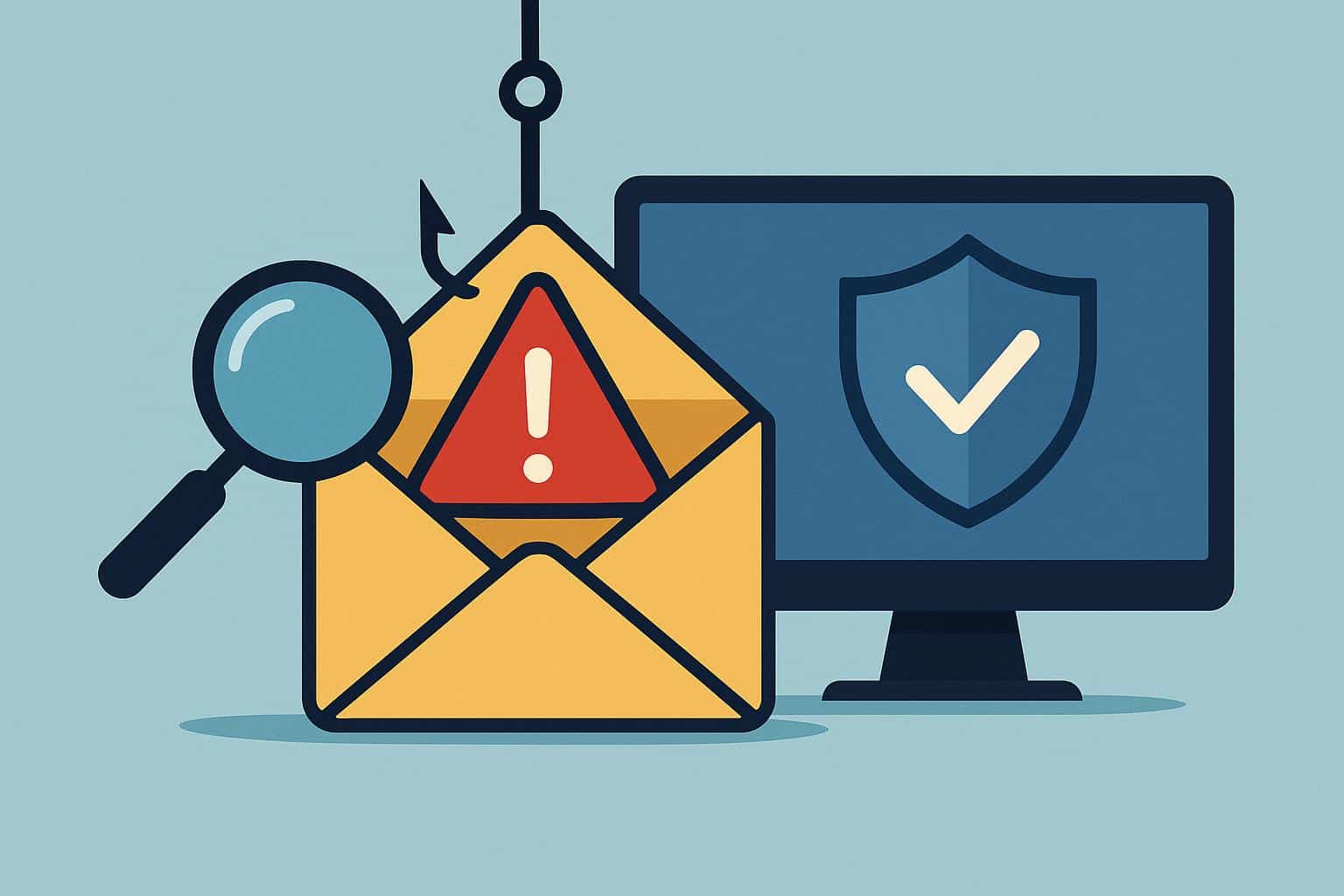
These tools add a strong defense against phishing. Never allow anyone access to sensitive information.
The Growing Threat of Email Phishing Scams
Phishing scams via email have become an ever-increasing risk to both businesses and individuals, necessitating greater awareness regarding recent and planned attacks to limit damage and effects of attacks and protect businesses against future scams. Being informed about ongoing attacks and their outcomes is of equal importance.
Current Phishing Attack Statistics
Every year, phishing attacks result in massive losses. Cybercrime could cost billions; many businesses have been victims of phishing. Reports show how many victims are taken in by such scams.
Most Common Phishing Tactics
To deceive, phishing attackers use a variety of strategies. Two common tactics include:
Spoofed Sender Addresses
To appear more convincing, attackers often create fake addresses for their senders. This increases the likelihood of success.
Deceptive Links and Attachments
Scammers use false attachments and links to trick victims into downloading malware or sharing personal information.
Financial and Security Consequences
Phishing attacks can lead to massive financial losses and compromise sensitive data that compromises a company’s reputation.
Email Scam Detectors: Features and Implementation
To fight email scams, knowing about Email Scam Detectors is key. These tools spot and mark phishing threats. They add a vital layer of security to your emails.
How Detection Technology Works
Email Scam Detectors use advanced tech to check emails for phishing. They use complex algorithms and scanning methods.
AI and Machine Learning Algorithms
AI and machine learning are at the core of these detectors. They help catch smart phishing attacks. These algorithms get better with time, thanks to new data.
URL and Attachment Scanning
Detectors also check URLs and attachments for danger. This step boosts your email’s security.
Built-in vs. Third-Party Detection Tools
Email scam detectors can be built in by companies or purchased from third parties. Third-party tools may have additional features. Built-in options are simple to use.
Configuring Email Scam Detectors for Maximum Protection
To get the most from Email Scam Detectors, setting them up right is crucial. This means adjusting security settings to fit your needs.
Customizing Security Settings
Adjusting security settings lets you fine-tune the detector. This ensures it matches your security policies.
Whitelisting and Blacklisting
When used in conjunction, whitelisting and blocking can be very effective against phishing. Blacklisting is used to block known threats. Whitelisting only allows emails from trusted sources. The detector will be more effective at detecting phishing attacks.
Conclusion: Creating a Comprehensive Email Security Strategy
Today, a security plan for email is essential. It must include Email Scam Detectors to fight off different threats. By using these detectors with other security steps, both people and companies can boost their email safety a lot.
Understanding the threats to your email and how you can combat them will help you create an effective security plan. Email Scam detectors are essential in stopping and detecting phishing. These attacks are a big part of email dangers.
To get full protection, it’s important to set up Email Scam Detectors right. They should work together with other security steps. This way, you get a strong defense against phishing and other email threats. It makes your overall cybersecurity stronger.
