


Android’s character wasn’t shaped solely by phones and versions; instead, it was shaped by inventive apps that plugged holes, created new habits, and spurred the platform on. Most of those pioneers have since faded, been swallowed up by the system, or morphed into something unrecognizable — but their fingerprints are all over everything.
Here’s a look back at the unsung heroes who shaped the way millions of people used their devices: They weren’t popular; they were central, defining usage patterns that stock Android and today’s services now treat as a fait accompli.
- Inbox reimagined mobile email for the modern era
- Play Music Turned Phones Into Personal Jukeboxes
- Swype popularized gesture typing on touchscreens
- SuperSU put root access under control for users
- Titanium Backup was the tinkerers’ salvation
- MX Player, the pioneer of video playback
- File management was ruled by ES File Explorer
- Google Plus attempted to bring Android communities together
- What we gained from the apps we lost along the way
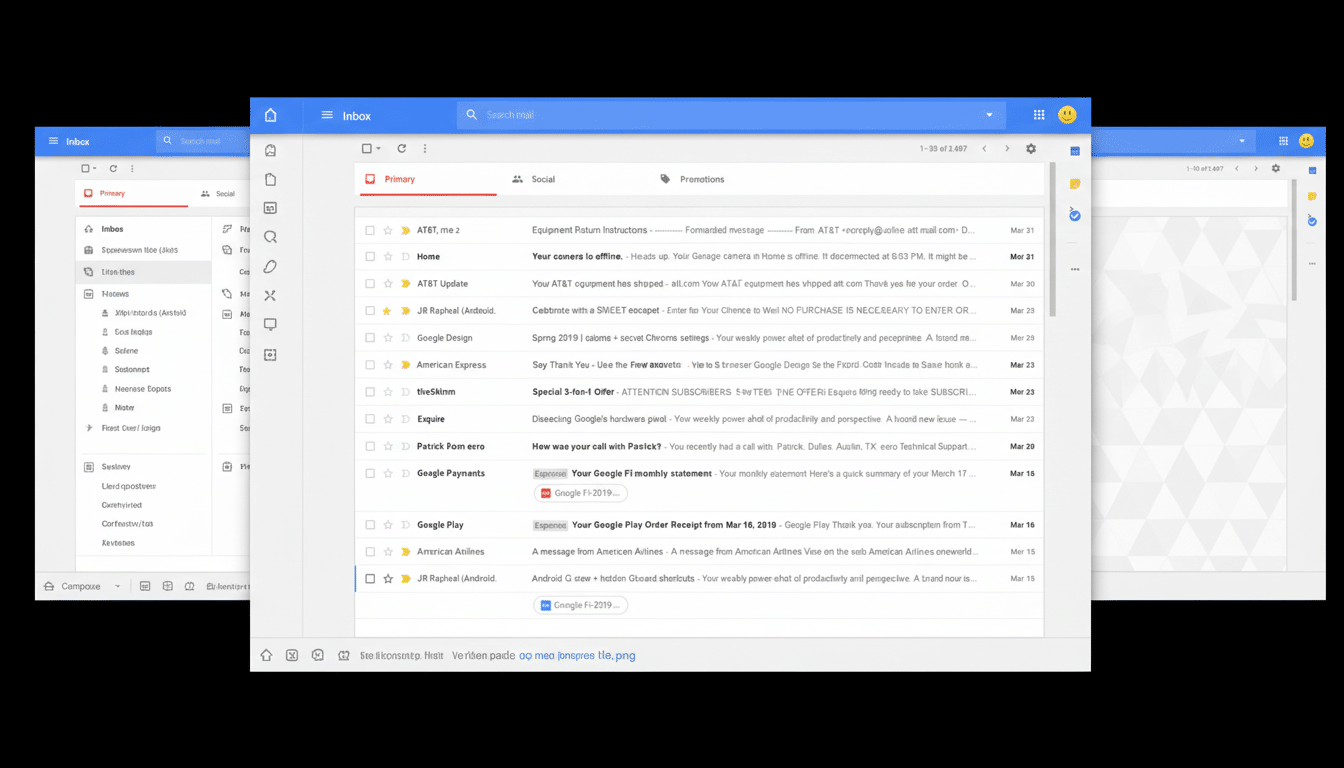
Inbox reimagined mobile email for the modern era
Inbox made triage into an art. Snooze, Bundles, and pinning reframed messages as tasks; Smart Reply and a clear visual hierarchy took out the friction. Most of its best ideas were ultimately folded into Gmail, but power users continue to mourn that serenity of having Inbox Zero that Inbox made addictive.
It also demonstrated that Google could ship a brave rethink, not just a skin. Material Design was born through apps like this, and the modern-era email swipe culture owes it a big debt.
Play Music Turned Phones Into Personal Jukeboxes
Long before streaming took over, Play Music’s locker allowed you to upload as many as 50,000 tracks and keep your collection in sync across devices. For commuters and overseas users, that powerful local playback married to a cloud-syncing backend was game-changing.
As the industry turned, the service lost ground to a video-based successor. Yet its refined library management and hybrid local-plus-cloud model are still the standard. The lion’s share of global recorded music revenue, IFPI says, now comes from streaming — a world that Play Music helped users acclimate to.
Swype popularized gesture typing on touchscreens
Swyping words through letters felt like magic the first time it kicked in. It even once nabbed a Guinness World Records distinction for speedy text entry, and made cramped touchscreens feel like large-canvas, one-handed wonders. It’s a feature that is all over the place in Gboard and so many other keyboards now, but Swype was the first.
Nuance’s decision to stop developing it didn’t kill the idea, though. It just goes to show a game-changing interaction can live on long after the app that made it famous.
SuperSU put root access under control for users
For tweakers, SuperSU was that gatekeeper. Chainfire’s tool brought predictable, auditable, and reversible root permission prompts — opening up performance tweaks, deep theming, and potent automation years before OEMs got on the customization train.
It eventually gave way to Magisk, which brought systemless mods and a thriving module community. Between Play Integrity and stronger security hardening, root is a niche today, but SuperSU made Android experimentation safer and more accessible.
Titanium Backup was the tinkerers’ salvation
Back when custom ROMs were weekend projects, Titanium Backup was the safety net. It backed up a whole app and all its data, supported batch jobs and schedules to run them, and enabled migration to other devices; it saved us hours and preserved game progress, chat history, and so much hard-fought setup.
Modern Android backups, scoped storage, and seamless device restore through Google One helped blunt the tool’s necessity — but Titanium, for its part, has had no true peers in root-level backup and sync. It staked out a standard for what “real” backup on Android should be like.
MX Player, the pioneer of video playback
Back when streaming apps were still refurbishing their players, MX Player meant smooth sailing for playing local video with gesture controls for brightness/volume and by-file decoder selection, not to mention unparalleled subtitle capabilities.
Those interactions are now de facto across media apps. The purchase of a majority stake by Times Internet has transformed it into a streaming brand in top markets, with the old local player being dragged behind by more ads. Its influence is unequivocal: mobile video UX grew up because MX grew it.
File management was ruled by ES File Explorer
In the days when stock Android didn’t even have a bona fide file manager, ES was packed with power-user features: SMB and FTP support, archive handling, thumbnail-rich libraries, app backups, and even a recycle bin. It was the Swiss Army knife for moving, sharing, and discovering what lived on your storage.
It fell from grace after investigations revealed ad-fraud behavior reported by BuzzFeed News and it was kicked off the Play Store. The torch has since been taken up by Files by Google and proper OEM managers, but ES molded just what users really want from file tools.
Google Plus attempted to bring Android communities together
It unknotted circles, communities, Photos, and messaging into a single identity layer across Google services. For many niche interests, they were more civil, searchable, and expert-driven than the forums of the time.
Low engagement and a security breach — reported extensively by The Wall Street Journal — ended the experiment for consumers. And yet aspects like seamless photo backup and machine learning curation graduated into standalone products that are now the bedrock of the Android experience.
What we gained from the apps we lost along the way
These apps were successful because they solved real problems first and showed ambition second. Gesture typing, Inbox Zero thinking, circumstantial local-and-cloud media antics that oh hey just work together or independently of the network to serve one plain media database and toolbox suite — things like granular backups (of nearly everything), pro-grade file access… All were outsider advantages before Android made them table stakes.
If there’s a lesson here for today’s developers, it may well be the following: The next major Android feature, in all likelihood, will make an early arrival in the form of a niche-oriented tool about which users won’t stop raving. The platform retains the best ideas; the pioneers get all the credit.
