


The DJI Power 2000 portable power station, meanwhile, has just plummeted to a headline-grabbing $699 compared to its regular price of $1,299 (a 46% saving). For anyone looking at a serious backup plan, or a versatile off-grid power hub, that’s the kind of saving you aren’t going to see often in this particular category of 2 kWh class.
This unit is aimed at campers, RV owners, field creators and those who demand generator-grade power without fumes or roar. It’s also a nifty insurance policy for small businesses and households that just want to add a plug-and-play, fast-charging backup during outages.
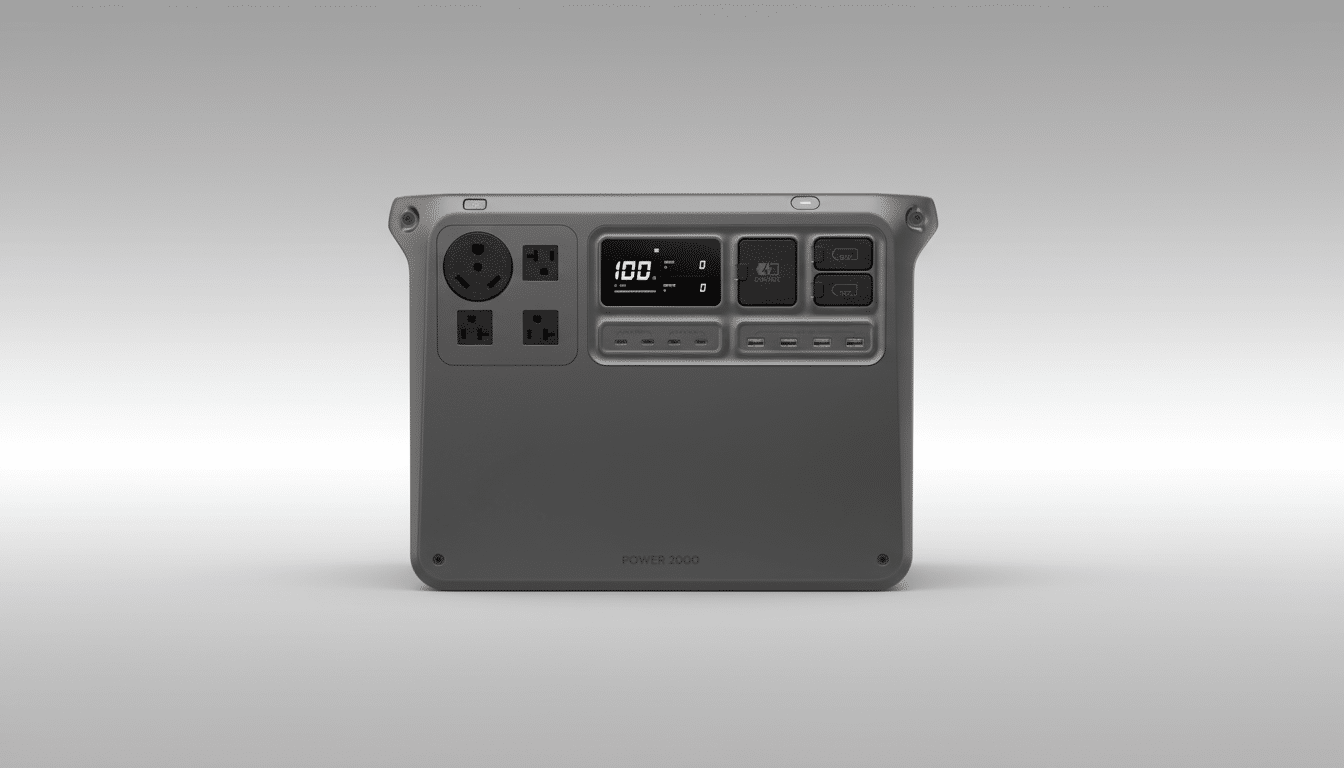
Why This Discount Matters for High-Capacity Power Stations
Portable power pricing has been falling with lithium-ion costs, as BloombergNEF has recorded consistent steps down in battery pack prices over the past decade. That said, big-name brand high-capacity stations usually sell for around $0.60–$0.90 per watt-hour when not on sale. At the current promo, Power 2000’s effective per-watt-hour price (for a unit of ~2 kWh class) decreases to the mid-$0.30s — a superb result for a high-end ecosystem peripheral.
Competitors in this tier — like EcoFlow, Jackery, Anker and Bluetti — often reserve deep cuts for short windows. If you’ve been patiently waiting for a sub-$700 entry point available in this high-output, home-backup-capable equipment, then it gets harder to argue with one of the most aggressive prices we’ve ever seen in this category on a top-brand model.
Power and Safety Features in Brief for DJI Power 2000
Speed is a headline feature. The Power 2000 can restore to 80% charge in approximately 55 minutes, so you can refuel fast before a storm or between jobs. That quick refill reduces downtime in the field, and makes last-minute evacuations or project turnarounds much less stressful.
It’s also designed for rugged environments. The enclosure is water-resistant and flame-retardant, so muddy campsites, rainy trailheads or dusty work zones don’t pose a deal-breaker. With a 10 ms uninterruptible power supply switchover, it’s meant to keep certain gear — things like modems, routers and even select desktop setups — from getting rebooted during minor hiccups on the grid, something that could be very nice if you work from home or operate point-of-sale systems.
That all translates to running typical appliances and electronics in the real world. According to DJI, it covers most common devices — from day-to-day power tools and small kitchen appliances to RV essentials and projectors. Combine it with compatible solar panels for enhanced off-grid performance, recharging in daylight to keep nighttime run times extended.
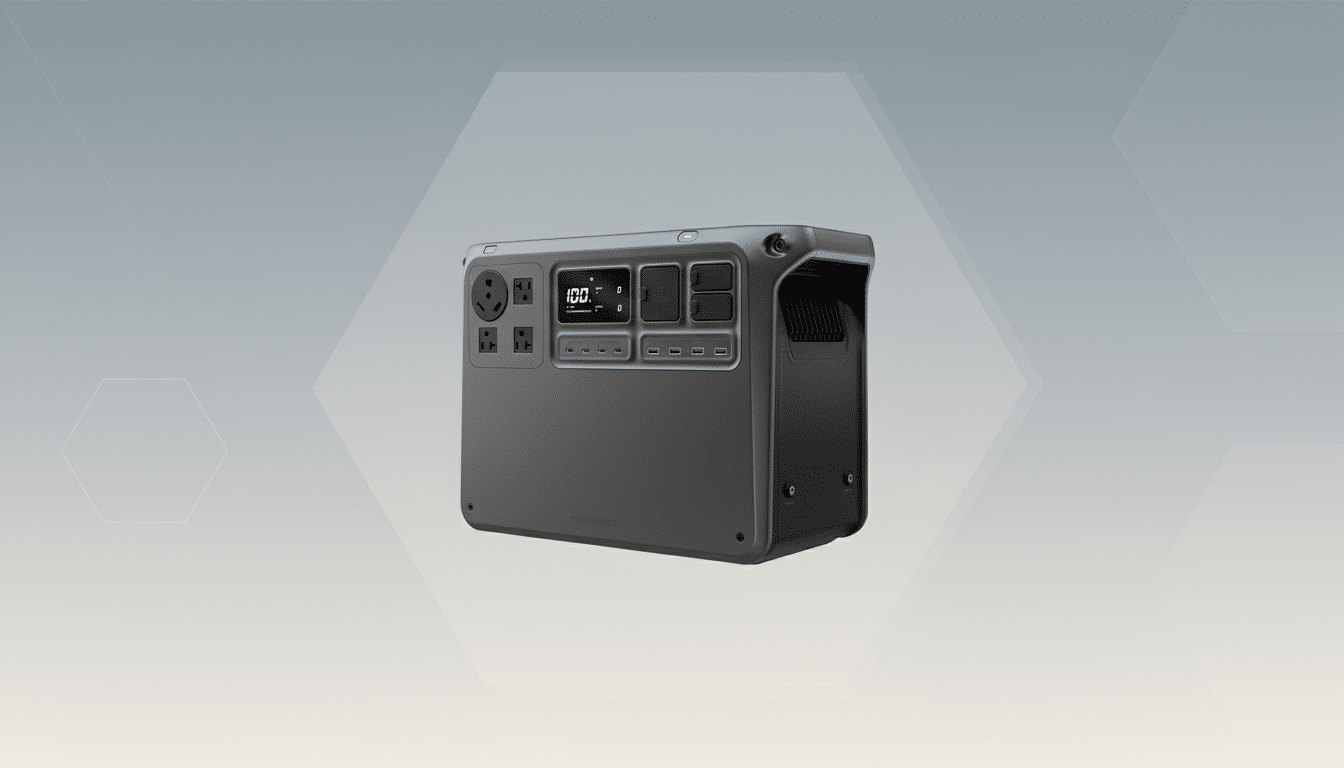
Real-World Use Cases for Home, RVs, and Creators
For home resilience, consider short outages when you want a refrigerator cycling but not much else — an online Wi‑Fi network, phones and laptops charging. The fast charge with AC keeps it viable to refill when rolling blackouts strike. The U.S. Energy Information Administration has observed increased outage durations in some areas, and a clean, indoor-safe station like this one can help span the increasingly common gaps without the carbon monoxide dangers of using fuel generators.
In their RVs and overlanding vehicles, owners can power cooktops, lights, fans and entertainment gear — quietly. Food vendors and event promoters get a portable power source that’s welcome where noise and emissions regulations ban gas generators; the National Park Service and many cities impose such bans to protect visitors as well as wildlife. Content creators can even recharge drones, lights and cameras while simultaneously running a projector for client reviews or community screenings.
Before You Buy: Key Things to Know About This Power Station
At 21 kg (about 47.4 lbs) it’s not featherweight. It’s portable in the sense that one person can lug it small distances, but expect two-hand lifts and strategic placing in cars. If moving often is part of the plan, think about investing in a rolling case or cart.
Solar compatibility increases versatility, especially when you’re off on a long adventure or out working remotely. Matching with a 200 W–400 W portable array is a reasonable starting point to cover daily top-offs, but the actual harvest will depend on panel efficiency, weather and tilt. For emergency prep, outfits like the Red Cross suggest that you keep batteries charged up and test setups when you do not need them — excellent advice in other ways as well here.
Finally, count the outlets you would like — AC ports for appliances and some number of DC and USB for electronics — and lay out your normal loads. If you’re running sensitive devices, a fast UPS is a game changer. For heavy reactive loads such as power tools or water pumps, check the starting requirements and match expectations.
Bottom Line on the DJI Power 2000 Weekend Discount
Half off on a durable, solar-ready, fast-charging station is an appealing offer. If you’ve been considering a hushed alternative to a gas generator — or need a step-up power source for camping, vending, photo shoots or work that requires some creative electricity solutions — the DJI Power 2000 is an exceptionally high-value buy at 46% off while the discounts last.
