


DJI’s Power 2000 portable power station is available now for $699 on Amazon, a significant discount down from its list price of $1,299. For a 2kWh lithium iron phosphate bank from a top-tier brand, watching the sticker fall below $700 is rare and worth your attention, especially for shoppers establishing their first-time home backup or mobile power setups.
Why this $699 price for the DJI Power 2000 matters now
Among crowded power-station competition, it is capacity per dollar that takes top billing. The Power 2000 is a little more than 2kWh of storage and, at under $0.40 per Wh, that’s pretty much what we’re looking at with this deal. Similar 2kWh systems from competitors like EcoFlow, Jackery and Anker waver between $1,199 and $1,999 depending on configuration (and as per sales). All of that makes not just a pretty spreadsheet, but it opens the door to households who have gotten priced out from whole-home battery systems but still want peace of mind when their local grid is down.
- Why this $699 price for the DJI Power 2000 matters now
- Key specs and real-world uses for the DJI Power 2000
- DJI hardware context in the United States and availability
- Who benefits most from this 2kWh DJI Power 2000 deal
- How it compares on value against other 2kWh rivals
- Bottom line on the DJI Power 2000’s current $699 pricing
Key specs and real-world uses for the DJI Power 2000
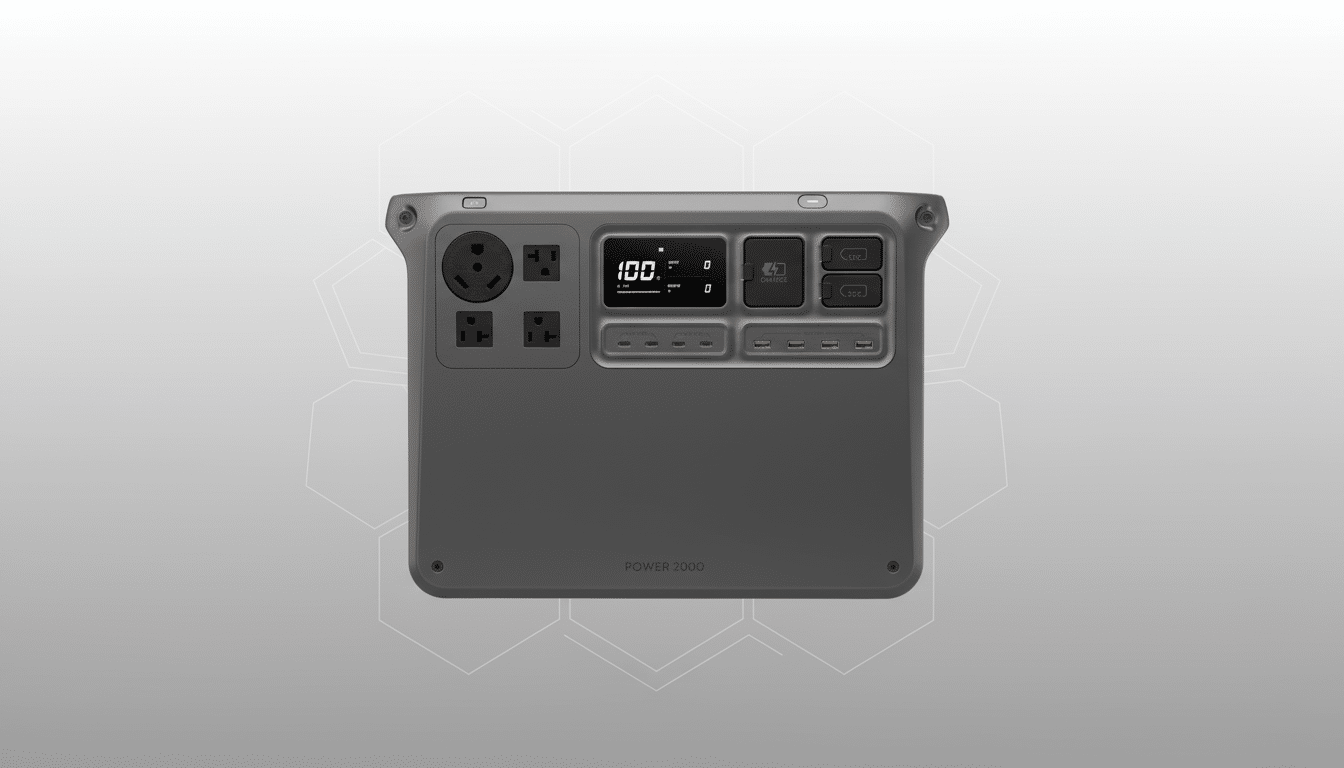
With a 3,000W continuous AC output to a 2,048Wh LFP battery, the Power 2000 has some headroom for power-hungry appliances. It can practically start and hold the running of a full-size refrigerator, a 1,500W space heater or power window air conditioning units without tripping offline — uses which the machines of the 1kWh class often cannot properly handle.
The recharge speed is especially slick: DJI prides itself on quick charging that takes the pack from 0 to 80% in just about 55 minutes using a typical wall outlet. That is, you can also take advantage of opportunities to top up in between rolling blackouts or when a storm is on the way. Battery chemistry is LFP, which stands for lithium iron phosphate, and is famed for its thermal stability and long service life; DJI rates the cells as good for well over 3,000 cycles, typically meaning many years of daily or weekly use with little or no reduction in capacity.
Runtime examples help frame expectations. Then again, a typical modern fridge pulling in 150W for the day could be on for, say, something like 12–14 hours at a stretch on drawing schedule — or quite often over more than single days given compressor cycling. A 40W CPAP machine could be used overnight multiple times off a single charge. Power tools, induction cookers and coffee machines are also possibilities due to the 3,000W limit. Noise is relatively low compared to gas generators, so apartment or campsite use is not a problem.
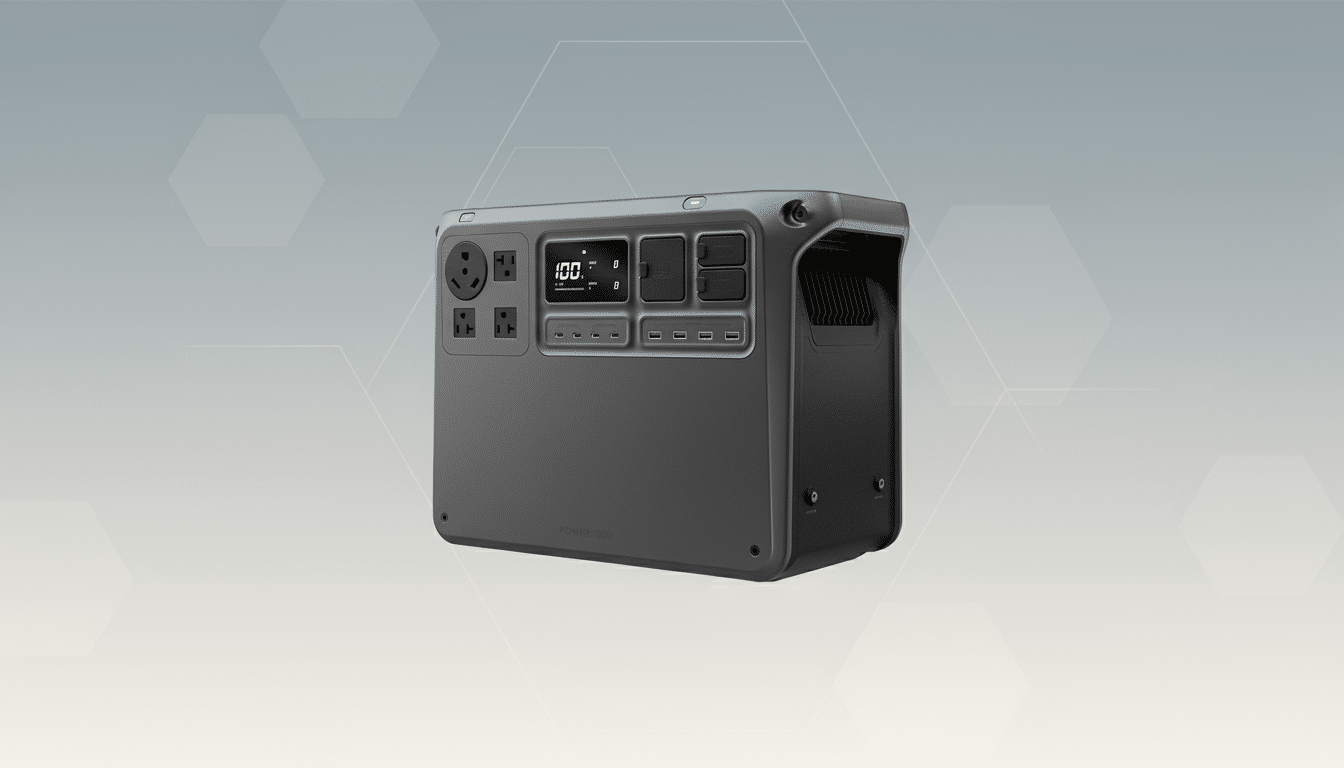
Like all of the premium stations, you’re getting several AC outlets, high-power USB-C for laptops and cameras, 12V vehicle output, and support for solar charging with MPPT when combined with a portable panel. Those creators who already wing their drones via DJI’s gear will appreciate a single-box solution to powering lights, monitors and charging bricks on location, with none of the in-the-field fumes or constraints of a gas generator.
DJI hardware context in the United States and availability
DJI is still on the Federal Communications Commission’s covered list, which makes things difficult when launching new products in America. For buyers, that equation equates to sometimes having no idea how much inventory there will be and serious discounts appearing on last year’s model in the interim, so if you want this specific one right now, timing may or may not play a factor.
Who benefits most from this 2kWh DJI Power 2000 deal
The clear winners are homeowners and renters who value silent emergency power. According to the U.S. Energy Information Administration, the average customer suffers through many hours of power loss each year and that number often skyrockets when extreme weather kicks in; with a 2kWh pack you neatly sidestep much of that inconvenience. RV owners, vanlifers and anyone with an off-grid cabin will also find a lot of use here, whether they’re running induction cooktops or charging e-bikes. And as for small businesses or creators, the unit serves as a quiet portable UPS for mission-critical devices that shouldn’t shut off during only short outages.
How it compares on value against other 2kWh rivals
It is an aggressive offer vis-à-vis competitors in the 2kWh class. EcoFlow’s Delta 2 Max and Anker’s Solix F2000 usually fall far north of this price outside special promo periods, and Jackery is skewing high-end with its Explorer 2000 Plus that supports modular expansion. DJI’s offer is simple — lots of capacity, high output, rapid AC charging and LFP longevity — now at a mid-range price. If you care about the solar input and ecosystem accessories, compare panel compatibility and expansion options — but purely on price for capacity and wattage, it’s tough to beat this deal.
Bottom line on the DJI Power 2000’s current $699 pricing
DJI’s Power 2000 checks three magic boxes — capacity, output and price — at a mere $699. It’s a good investment for outage preparedness, an adaptable upgrade to mobile power and a competitive value play against established rivals. Inventory and pricing are subject to change without notice, but if you’ve been waiting for a sub-$700 2kWh LFP unit from a major brand, now is the time to pull the trigger.
