


The dual-transmitter DJI Mic 3 bundle with one receiver and a charging case has dropped to $259, a $70 cut from its $329 list price. That 21% discount matches the lowest price we’ve seen for this configuration, making it a timely grab for creators who want broadcast‑clean audio without a studio setup.
Why This DJI Mic 3 Deal Matters for Creators and Teams
Good sound is the first upgrade that audiences notice. Training resources from the BBC Academy and NPR emphasize that clear, consistent dialogue is the biggest driver of perceived production quality. The DJI Mic 3 is built for exactly that: two compact transmitters for interviews or two‑host setups, a single receiver that drops onto a camera or phone rig, and a case that keeps everything charged and paired.
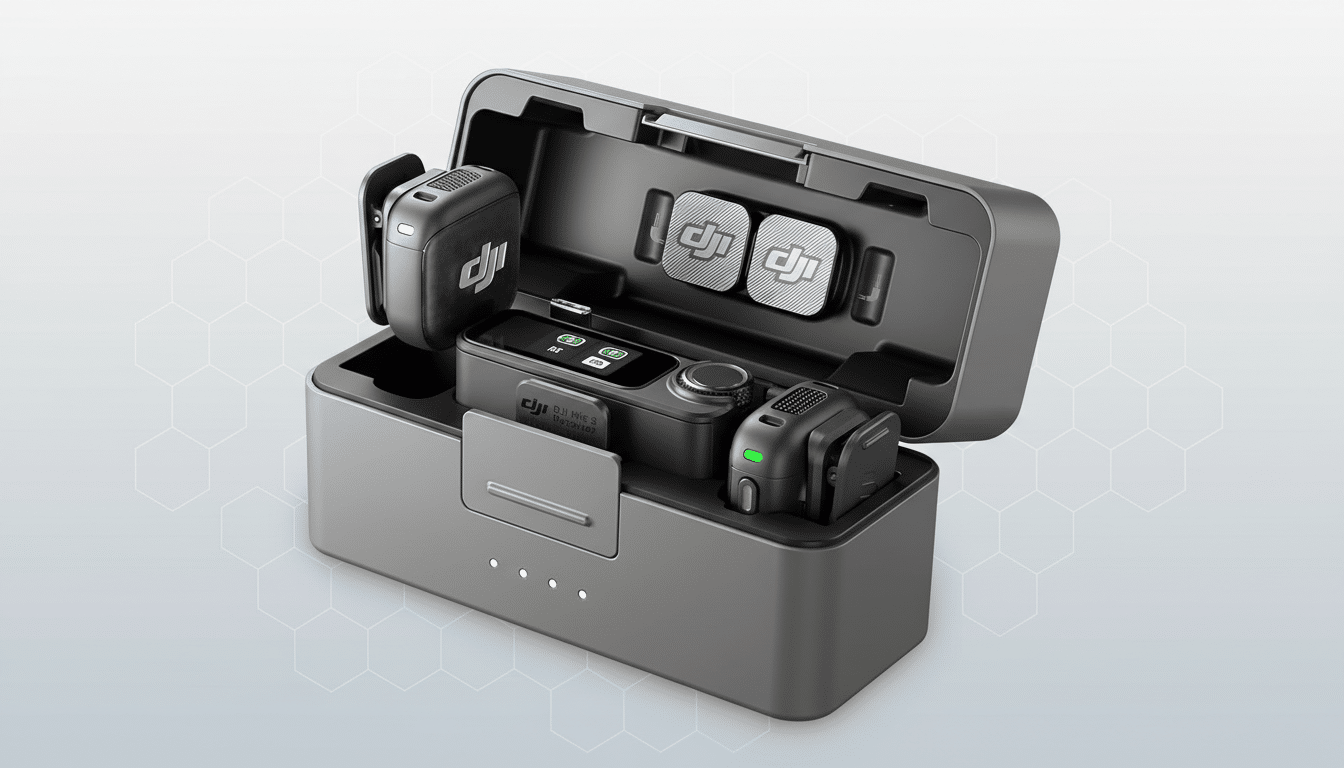
Two features stand out at this price. First, onboard 32‑bit float recording provides enormous headroom, so unexpected shouts or quiet whispers are far less likely to ruin a take. Second, adaptive gain control automatically balances levels on the fly, reducing the risk of clipping in dynamic environments like street interviews or event coverage.
Key Specs, Battery Life, and Notable Trade-offs
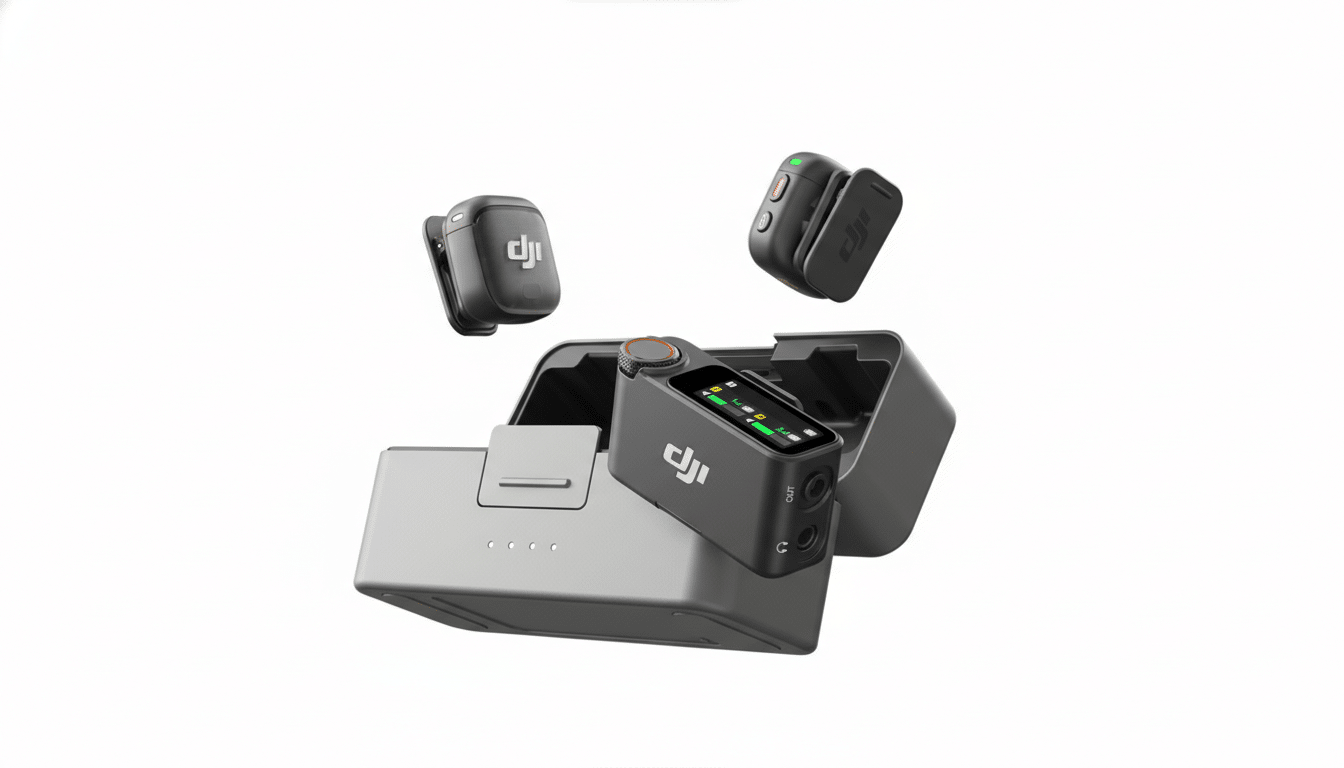
The bundle includes 2 TX + 1 RX and a pocketable charging case rated for roughly 28 hours of total runtime across top‑ups, which covers full‑day shoots. Each transmitter can record internally, giving you a safety track even if your camera input or phone app hiccups. The system supports dual‑channel capture, so you can keep two voices discrete for cleaner edits.
There are compromises to note. The transmitters no longer accept external lavalier mics, which will disappoint users who prefer hidden wiring on formal shoots. The individual USB‑C ports on the transmitters are gone as well, consolidating charging and management through the case and receiver. For most run‑and‑gun creators, the convenience tradeoff is acceptable, but documentary shooters who rely on wired lavs may want to plan wardrobe and mic placement accordingly.
How the $259 price compares with popular wireless rivals
At $259, the Mic 3 undercuts several popular two‑mic kits. Rode’s Wireless PRO typically sells around $399 with 32‑bit float and timecode extras, while the Rode Wireless GO II often sits near $299. Hollyland’s Lark Max and similar premium kits hover around $299, and value‑focused options like the Lark M2 can dip below $200 but usually skip 32‑bit float and some pro safeguards. In other words, this discount places DJI’s latest feature set in the sweet spot between budget and flagship pricing.
MSRP for the DJI Mic 3 bundle is $329 at major US retailers such as B&H and Adorama. A $259 tag is historically rare for a current‑generation kit with dual transmitters, internal recording, and a case that handles pairing and power management.
Real‑world use cases for podcasters, filmmakers, and educators
For podcasters and YouTubers, dual mics mean two tracks, cleaner edits, and less crosstalk. Wedding filmmakers get compact clips that survive volume swings from vows to receptions. Educators and corporate trainers can mic a presenter and a guest without juggling handhelds. With adaptive gain and 32‑bit float as a backstop, you spend less time riding levels and more time focusing on content and framing.
Buying tips to review before you check out with this kit
Verify your connection path. Most creators will run the receiver into a camera’s 3.5mm input or pair it with a smartphone rig; check your cables and any required adapters for your device.
Build a quick pre‑shoot routine:
- Format internal storage if available.
- Run a 10‑second test record.
- Confirm dual‑channel capture.
- Monitor a sample clip with headphones.
32‑bit float and adaptive gain are excellent safety nets, but monitoring remains best practice—as echoed by training from NPR and pro audio educators.
If you rely on true lavalier concealment, plan for creative mic placement using the included clips or magnetic mounts, or consider a kit that supports external lavs. For everyone else, this $259 offer delivers a creator‑grade wireless system with pro‑level recovery options and enough battery endurance to cover a full day on set.
