


DDR4 memory just posted a rapid price spike, with average street prices jumping about 10% in a single week. Market tracker TrendForce reports some 8GB kits rising 12% and 16GB kits up 8%, a sharp move that’s pushing cost-sensitive builders to consider older DDR3 parts to keep budgets in check.
What’s driving the DDR4 price spike across the market
Behind the jump is a familiar cocktail: tight supply, rising demand, and strategic production cuts. Major DRAM suppliers focused capacity on higher-margin products like HBM for AI accelerators and newer-generation DDR5, leaving less room for legacy DDR4. TrendForce’s DRAMeXchange spot indicators have reflected that squeeze, with channel inventory thinning and prices reacting quickly once retail stocks turned over.
- What’s driving the DDR4 price spike across the market
- How the DDR4 price surge is showing up at retail
- Why DDR3 is back in the conversation for budget builds
- Signals from the wider PC market and shipment trends
- Practical advice for PC builders navigating price hikes
- Outlook for DDR4 pricing and expected near-term trends

DDR4 isn’t new, but it still powers a massive installed base of gaming rigs and office PCs. As OEMs and white-box builders try to lock in parts ahead of further hikes—and as consumers chase upgrade deals—retailers have less incentive to discount, accelerating the rebound from last year’s lows.
How the DDR4 price surge is showing up at retail
The fastest changes are in mainstream configurations: 2x8GB and 2x16GB kits at 2666MHz to 3600MHz. Listings across major e-tailers shifted upward within days, and temporary promos that masked rising wholesale costs have quietly disappeared. It’s not just list prices—price-per-gigabyte has climbed, narrowing the savings between slower and faster kits and making “good enough” memory more appealing than premium low-latency bins.
Some regional distributors have also tightened allocation. System builders report reduced quota for popular capacities, and a few brands are steering buyers toward DDR5 SKUs with better availability. That’s cold comfort for owners of DDR4-only platforms who now face a pricier path to a simple 32GB upgrade.
Why DDR3 is back in the conversation for budget builds
When contemporary memory climbs, substitution kicks in. Channel chatter highlighted by VideoCardz, citing Board Channels, notes renewed interest in DDR3 motherboards and kits as bargain hunters revive older platforms. The logic is straightforward: if you can snag a retired business desktop or a used workstation at a steep discount, even rising DDR3 prices can net a cheaper overall build than buying new DDR4 at today’s levels.
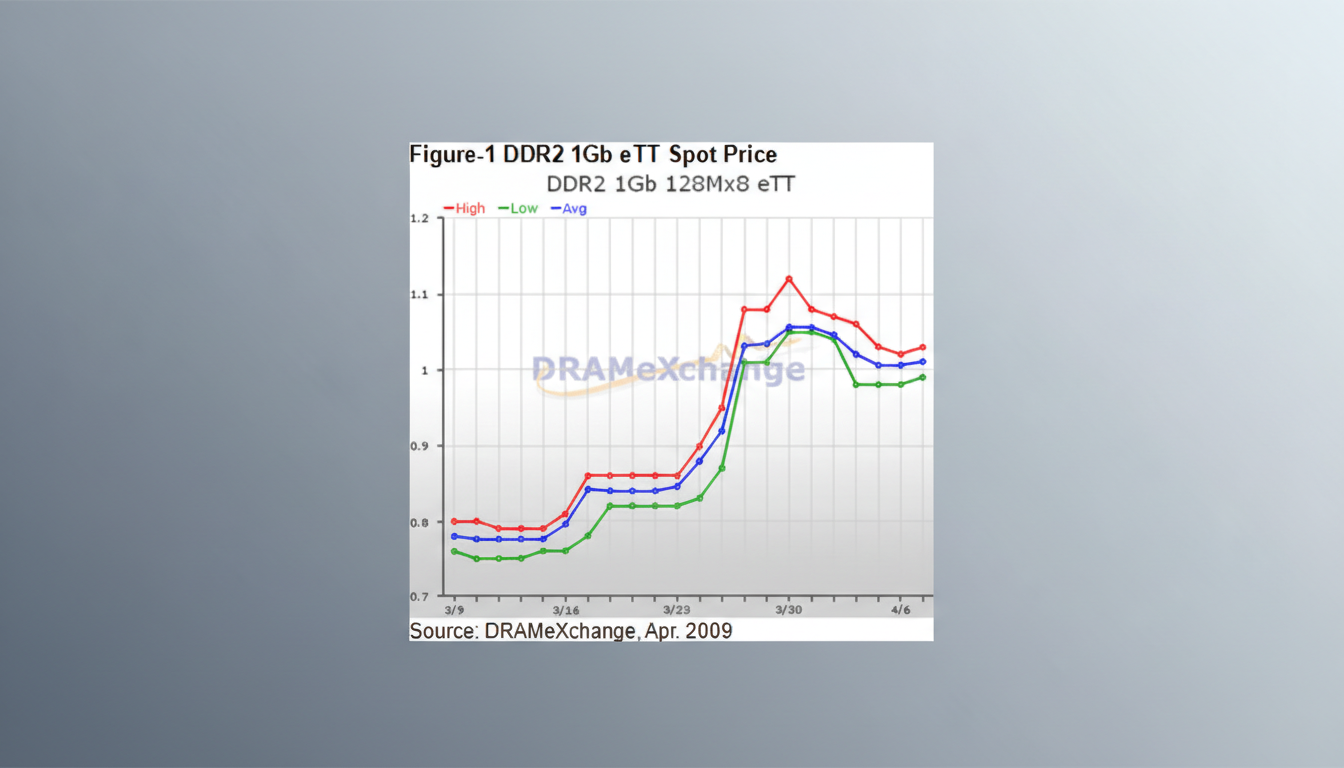
There are caveats. DDR3 offers much lower bandwidth, and mixing standards (DDR3 vs. DDR3L) can cause instability if the CPU’s memory controller isn’t rated for the voltage. Many consumer boards won’t accept ECC Registered DIMMs common in server pulls, and “adapter” solutions are a compatibility minefield. Viable routes typically involve older Intel platforms that officially support DDR3/DDR3L or pre-Ryzen AMD systems—expect solid basic performance, but not modern low-latency responsiveness.
Signals from the wider PC market and shipment trends
IDC recently noted a near 10% lift in global PC shipments in the latest quarter, with buyers and brands pulling in orders ahead of anticipated component price increases. That stocking behavior amplifies swings in the memory channel: once inventory clears at old costs, retail prices adjust quickly to the new reality. With AI infrastructure demand siphoning DRAM production toward HBM and data center parts, PC memory remains exposed to volatility.
Practical advice for PC builders navigating price hikes
If you can delay a nonessential RAM purchase, watching price-per-GB for a few weeks may save money. If you can’t wait, consider slightly slower DDR4 bins where the markup may be milder, and compare 2x16GB versus 4x8GB kits to see where the channel is less constrained. Always check motherboard QVLs and recent BIOS updates; tighter timings and higher density DIMMs can stress older memory controllers.
Thinking about pivoting to DDR3? Treat it as a platform decision, not just a memory swap. Verify CPU and board compatibility, favor known-good used hardware with return policies, and set realistic performance expectations. The cheapest path up front isn’t always the best total cost if you plan to upgrade again soon.
Outlook for DDR4 pricing and expected near-term trends
Analysts at TrendForce expect supply tightness to linger as vendors prioritize higher-value DRAM and carefully manage bit output. DDR4 is unlikely to re-test last year’s lows in the near term, and DDR3 could see spillover demand as long as the substitution trade holds. Keep an eye on price-per-GB trends rather than headline kit prices, and be ready to act when brief inventory windows open—this market is moving week to week.
