


Key Takeaways
- Creative therapies offer alternative avenues for emotional expression and healing, which can address feelings that are often overlooked by traditional talk therapy alone.
- Technological innovations provide accessible, personalized support, helping fill the gaps between clinical care and the everyday challenges faced during recovery.
- Holistic practices address the mind-body connection, nurturing overall well-being and equipping individuals for all aspects of long-term health.
Table of Contents
- Art Therapy: Expressing Emotions Through Creativity
- Music Therapy: Harmonizing Recovery
- Digital Tools: Leveraging Technology for Support
- Mindfulness Practices: Cultivating Present Awareness
- Physical Activity: Strengthening the Body and Mind
- Peer Support Networks: Building Community Connections
- Holistic Approaches: Integrating Wellness Practices
- Conclusion
Long-term addiction recovery is a deeply personal journey that flourishes when supported by innovation and creativity. Every individual’s path to sustained sobriety presents unique challenges and milestones. As a result, embracing creative solutions can mean the difference between stagnation and progress. Those in recovery can thrive by exploring diverse strategies uniquely designed to boost resilience, foster emotional healing, and support ongoing sobriety. In recent years, recovery communities and treatment programs have begun to incorporate a wider array of interventions, ensuring that no two recovery plans look exactly alike. Harnessing this diversity empowers individuals and makes the change process feel more engaging. To learn how these innovative methods are thoughtfully integrated into effective recovery programs, find out more now.
There is growing recognition among mental health professionals that supplementing traditional therapy with creative, holistic, and even tech-savvy practices can offer profound benefits—from increased self-understanding to improved well-being and motivation. Evidence shows that a singular approach is rarely sufficient; instead, a blend of imaginative, evidence-based techniques enables meaningful progress. New technologies, such as mobile apps, online communities, and virtual wellness resources, now empower individuals to access support precisely when and where they need it, making recovery more accessible than ever before. Building a personalized recovery plan means drawing from a broad toolkit—one that might include expressive arts, digital aids, mindful movement, and holistic wellness practices. When combined, these multifaceted methods cultivate lasting change, foster connection, and inspire greater fulfillment in the next chapter of life.
- Key Takeaways
- Table of Contents
- Art Therapy: Expressing Emotions Through Creativity
- Music Therapy: Harmonizing Recovery
- Digital Tools: Leveraging Technology for Support
- Mindfulness Practices: Cultivating Present Awareness
- Physical Activity: Strengthening the Body and Mind
- Peer Support Networks: Building Community Connections
- Holistic Approaches: Integrating Wellness Practices
- Conclusion
Art Therapy: Expressing Emotions Through Creativity
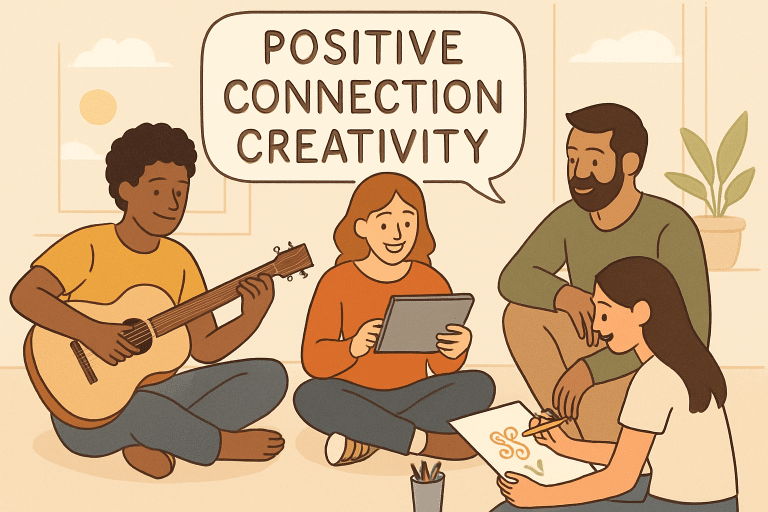
Engaging in creative pursuits such as painting, drawing, or sculpting offers a powerful outlet for processing the complex emotions that often accompany addiction and recovery. Unlike purely verbal therapies, art therapy enables individuals to give shape to hidden feelings and experiences—ones that may be confusing or difficult to articulate with words alone. The act of creating art taps into subconscious emotions, fostering self-discovery and deep personal insight. Even people who do not consider themselves “artistically talented” can benefit from the process, as the act of expression itself holds therapeutic value. Through creative expression, many people discover new insights into their emotional state and personal history, which often leads to greater self-awareness and emotional healing. Clinical evidence increasingly supports the efficacy of art therapy, with research showing improvements in mood, reduced cravings, and a stronger sense of identity. Because it is adaptable for all age groups and backgrounds, art therapy is becoming an increasingly popular supplement to traditional treatment plans.
Music Therapy: Harmonizing Recovery
Music therapy invites individuals to engage with music as listeners, performers, or creators, and offers a source of solace and connection during challenging times. This therapeutic technique has been shown in numerous studies to reduce stress, ease symptoms of anxiety and depression, and even improve cognitive function. In a recovery context, music can evoke positive memories, promote relaxation, and serve as a healthy coping mechanism during challenging moments. Whether it’s building a playlist of songs that inspire hope or participating in group drumming or songwriting sessions, music can be profoundly transformative. Personal playlists curated to match one’s mood or guided music exercises led by a licensed therapist can be tailored to specific emotional needs. Playing an instrument or singing, even at a beginner level, also serves as a creative coping mechanism, helping individuals redirect their energy and emotions in uplifting ways. As research grows, more recovery programs are integrating music therapy alongside clinical interventions to foster a sense of community, fun, and motivation.
Digital Tools: Leveraging Technology for Support
The rapid advancement of digital technology has revolutionized addiction recovery support, creating new opportunities for connection and self-management. Digital therapeutics—such as mobile applications and online support tools—now provide an array of customizable, on-demand resources, including mood and progress tracking, reminders for medication or therapy sessions, and instant access to peer support groups. Many platforms also offer evidence-based cognitive-behavioral therapy (CBT) exercises and mindfulness meditations easily accessible on phones or computers. With features that encourage accountability, daily check-ins, and skills practice, these digital tools have helped a broad range of individuals maintain momentum in recovery. Moreover, telehealth services enable remote counseling and group therapy, reducing barriers to transportation, privacy, and scheduling. This accessibility means that anyone can quickly find encouragement and guidance wherever they may be, bridging gaps in support between clinical visits, in-person sessions, or periods of crisis.
Mindfulness Practices: Cultivating Present Awareness
Mindfulness-based practices, including meditation, deep breathing, and yoga, help individuals ground themselves in the present moment, easing worry about the past or future. According to resources like Healthline, regular mindfulness practice can reduce anxiety, foster emotional resilience, and strengthen the ability to resist cravings. By training the mind to notice cravings or distressing thoughts without judgment, mindfulness practices support relapse prevention through increased emotional regulation. Meditation encourages routines of self-reflection and compassion, two qualities critical for sustainable recovery, while mindfulness group sessions can cultivate a sense of shared purpose and community. Yoga, as a movement-based mindfulness practice, benefits the body and mind alike by cultivating strength, flexibility, and a sense of inner calm. When included as part of a holistic recovery plan, mindfulness helps build coping mechanisms that serve well beyond recovery into all areas of life.
Physical Activity: Strengthening the Body and Mind
Incorporating regular physical activity into a recovery plan can dramatically improve mental health, self-esteem, and overall well-being. Forms of exercise such as walking, running, biking, or group sports foster discipline, boost mood-regulating brain chemicals, and help individuals set and achieve manageable goals. Numerous studies confirm the role of exercise in reducing symptoms of depression and anxiety, two common co-occurring issues in long-term recovery. Exercise also builds resilience against triggers and cravings—providing a healthy outlet for stress. Outdoor activities, specifically, offer the added benefit of connection with nature, which can further elevate mood and offer a sense of renewal. Group fitness or recreational leagues can nurture social connections that reduce feelings of isolation common during early recovery. However, it’s essential to maintain a balanced approach to exercise, as excessive physical activity can lead to exercise addiction. Recognizing the signs of exercise addiction and seeking appropriate help is crucial for maintaining overall well-being.
Peer Support Networks: Building Community Connections
Peer support groups such as SMART Recovery, Alcoholics Anonymous, Narcotics Anonymous, and other local community-based recovery networks provide an invaluable sense of belonging for those navigating recovery’s ups and downs. Within the framework of shared experience, members are free to discuss struggles and celebrate milestones, knowing they are met with understanding, encouragement, and empathy. Regular attendance fosters accountability, reduces loneliness, and imparts practical self-management skills. Some programs focus on structured steps and group-led discussions, while others encourage flexible, peer-driven support. Peer mentoring programs introduce a model of mutual assistance that, according to research, significantly increases long-term recovery success rates. Developing new friendships within these networks can help rewrite negative social patterns from the past, and the support provided often lifts individuals during moments when resolve is tested most.
Holistic Approaches: Integrating Wellness Practices
Holistic wellness methods, when integrated into recovery, support the restoration of physical, mental, and emotional health for the whole person. Practices such as acupuncture, chiropractic care, nutritional counseling, and herbal supplementation provide alternatives—or complements—to medication-based and talk therapies. For example, acupuncture is studied for its stress-reducing and craving-dampening effects, while thoughtful nutrition counseling helps repair the body’s chemistry and optimize brain function during recovery. These restorative practices work best when overseen by certified professionals and used as adjuncts to evidence-based interventions, ensuring safety and coordination. Holistic recovery also includes practices such as journaling, aromatherapy, and massage, which help manage stress and improve mood. The aim is to restore harmony across body, mind, and spirit—creating a solid foundation for those pursuing lasting change.
Conclusion
Nurturing long-term addiction recovery calls for an expansive, adaptable toolkit composed of creative, technological, and holistic interventions. By weaving together expressive therapies, innovative digital tools, mindfulness practices, physical activity, peer support, and restorative wellness routines, individuals can chart a more personalized, resilient recovery journey. The integration of diverse and complementary approaches helps each person find the support structure that works best for them. In doing so, these methods not only foster healing but also actively support the sustained well-being and sense of purpose necessary for lasting sobriety and a brighter future.
