


A fresh squeeze in copper and tin supply is rippling through the PC hardware chain, and multiple component makers warn that retail prices could move higher within weeks. Executives at cooling and power brands say quotes for raw copper have jumped and lead times have stretched, making it harder to hold the line on pricing for GPU water blocks, radiators, PSUs, and even motherboards.
Why Copper and Tin Matter To PC Hardware
Copper sits everywhere inside a PC: in heat pipes and cold plates, in PSU windings and cabling, and in the multilayer copper planes that carry power across a motherboard or graphics card. It is prized for thermal conductivity around 400 W/m·K and low electrical resistivity near 1.68 µΩ·cm—performance aluminum can’t fully match.
- Why Copper and Tin Matter To PC Hardware
- Signals From the PC Hardware Supply Chain
- What’s Driving The Copper And Tin Crunch
- How the Shortage Hits PC Components and Pricing
- Price Outlook and Expected Timing for Increases
- Can the PC Industry Work Around Material Cost Surges?
- What PC Buyers Should Watch in the Coming Quarters
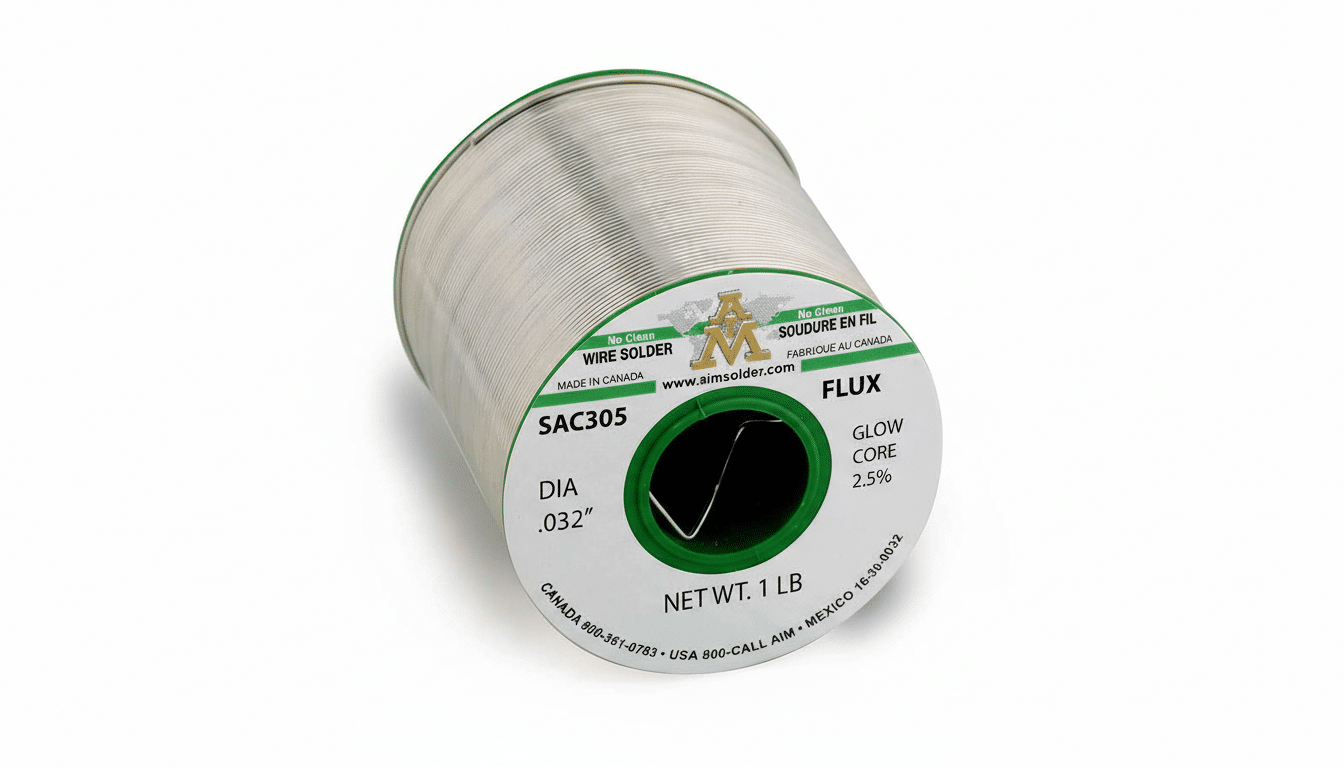
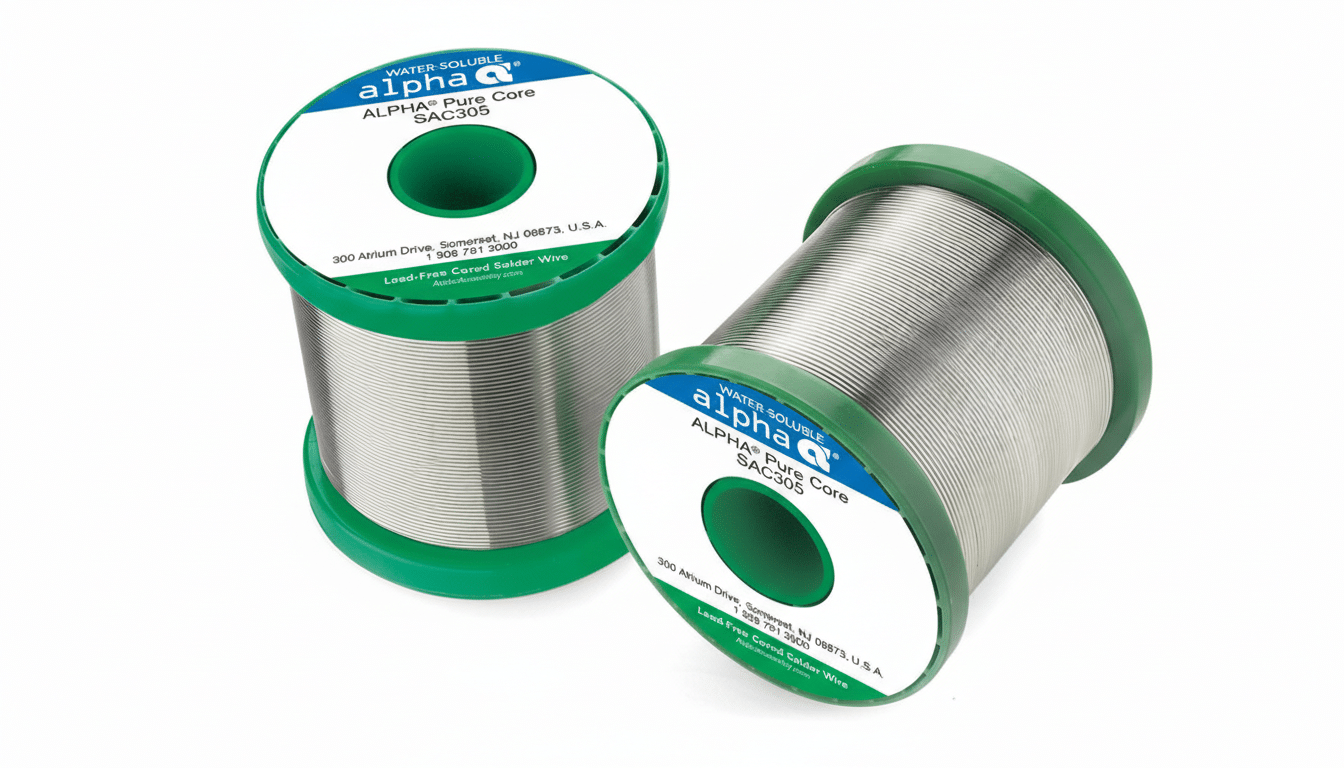
Tin, meanwhile, is the backbone of modern solder. Lead-free alloys common under RoHS rules (such as SAC305) are mostly tin by mass, so any tin spike inflates assembly costs for PCBs, coolers, and radiators. In short, when copper and tin get tight, nearly every PC part gets more expensive to build.
Signals From the PC Hardware Supply Chain
Thermal Grizzly CEO Roman Hartung recently detailed that a standard order for 12 mm copper plates—normally a one- to two-week turnaround—was quoted at a four‑month wait and a price well above historical norms. He said copper costs he tracks climbed from roughly $9,000 to $13,000 per metric ton year over year, while tin rose even faster in some currencies.
Alphacool’s chief, Andreas Rutnicki, told customers to expect broad price adjustments of about 5–10% across its lineup, citing the intensity of copper inflation and a near tripling in the price of compliant solder used in radiators. Be Quiet! CEO Aaron Licht said the company is holding prices for now but may reassess if elevated raw material costs persist.
What’s Driving The Copper And Tin Crunch
Three forces are converging. First, demand: the build‑out of AI data centers is copper‑hungry, from high‑amp power distribution to dense liquid‑cooling loops. The International Copper Study Group has flagged tightness related to mine disruptions and smelter bottlenecks, even as grid investment and electrification keep consumption elevated.
Second, inventory flows: executives report regional stockpiling and reallocation of material, which can produce local shortages even when global output looks adequate. When copper migrates to one market, availability thins elsewhere, lifting spot prices.
Third, tin constraints: the International Tin Association has repeatedly noted volatility tied to ore supply and refined output. Because tin dominates the bill of materials for lead‑free solder, any upswing lands directly on PCB assembly lines and radiator manufacturing.
How the Shortage Hits PC Components and Pricing
Cooling is the front line. Copper cold plates, vapor chambers, and heat pipes are core to high‑end CPU and GPU coolers; swapping to aluminum can save cost but often shaves thermal headroom just when GPUs and CPUs are drawing more power. Water‑cooling blocks and radiators are even more copper‑intensive, and solder costs add another squeeze.
Power supplies face rising costs from copper windings and cabling. Motherboards and graphics cards are exposed through multilayer copper PCBs and solder‑intensive assembly. Even if memory and NAND stay stable, the copper and tin components of the bill of materials can push finished‑goods prices higher.
Price Outlook and Expected Timing for Increases
Manufacturers typically absorb cost spikes for a cycle, then pass through increases as inventories turn. Several vendors indicate the next pricing step could arrive within one to two quarters, with copper‑heavy SKUs—custom GPU blocks, radiators, premium air coolers, and high‑wattage PSUs—most exposed.
Hartung suggested a GPU block rising from around €500 to roughly €550, a concrete example of a 10% adjustment. That lines up with guidance from Alphacool and with the broader trend of raw‑material pass‑through seen in prior commodity squeezes tracked by industry analysts and the London Metal Exchange.
Can the PC Industry Work Around Material Cost Surges?
Engineers can pivot to hybrid designs—aluminum fins with copper bases—or reduce copper mass through tighter fin geometry and heat‑spreader optimization. Those moves help, but they rarely offset steep commodity swings without sacrificing performance or yield.
Solder alternatives are limited. RoHS compliance effectively locks in high‑tin alloys for most mainstream production, and the cost delta won’t vanish until tin eases. Near‑shoring to cut logistics costs is on the table, but several European firms note that suitable infrastructure and supplier ecosystems remain a bottleneck.
What PC Buyers Should Watch in the Coming Quarters
Expect the steepest increases on copper‑dense items and niche, low‑volume parts. Watch vendor notices and distributor price lists; pass‑through typically hits boutique water‑cooling first, then premium air coolers and PSUs, and finally mainstream boards and GPUs as contracts roll over.
For builders eyeing a high‑end loop or a flagship PSU, pulling purchases forward could sidestep near‑term hikes. For everyone else, look for revised SKUs with aluminum‑heavy designs and incremental cooling tweaks that aim to hold MSRP while raw materials stay elevated.
The takeaway is clear: unless copper and tin ease, PC component pricing has another leg up. With demand from AI infrastructure and electrification still climbing, the materials story—not just chip supply—will help set the tone for the next wave of PC builds.
