


Most Edmonton homeowners don’t set out with a plan to replace their windows. It usually starts much more casually than that. A cold draft you notice while sitting on the couch. A bedroom that never seems to warm up properly. Alternatively, you may notice an increase in your heating bill each winter, despite no other changes in your home.
Edmonton’s climate has a way of exposing weak spots in a home, and windows tend to be one of the first things to show it. If you’ve been wondering whether your windows are still doing their job, there are a few signs that come up again and again when people start looking into windows replacement in Edmonton.
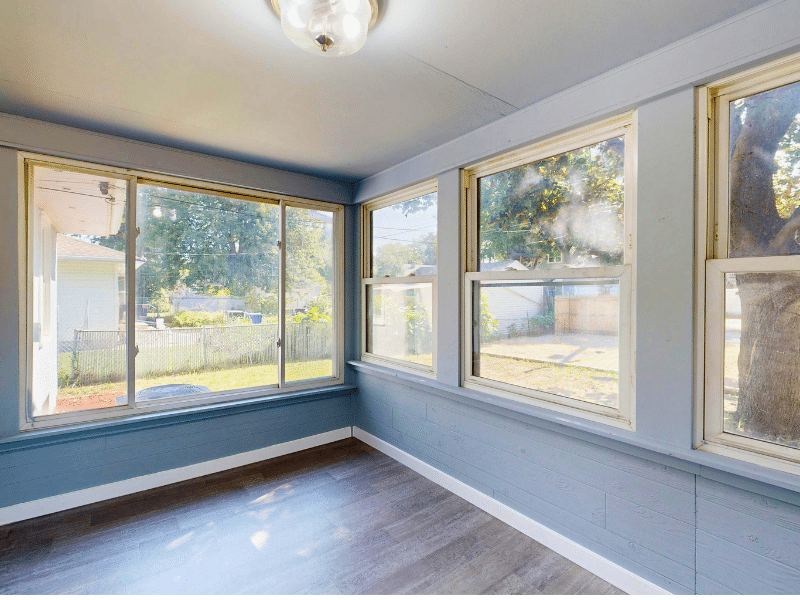
One of the earliest signs is a draft, which you can actually feel. When cold air slips in around closed windows, it’s usually because seals have worn down or frames have shifted over time. In a climate like ours, even small gaps can make rooms uncomfortable. Over time, those drafts also force your furnace to work harder just to keep the temperature steady.
Condensation is another issue that homeowners often overlook at first. A little moisture during extreme cold isn’t unusual, but frequent condensation on the inside glass, frost forming along the edges, or fog trapped between panes usually means the window has lost its insulating ability. Once that happens, the window stops doing what it’s supposed to do — keep warm air in and cold air out.
Some people don’t notice the problem right away because it shows up unevenly. One room always feels colder than the rest of the house. The living room never quite feels comfortable in winter, no matter how high the thermostat is set. In many cases, the heating system isn’t the problem at all. Heat is simply escaping through older or inefficient windows. That’s often when homeowners begin comparing different Edmonton window options more seriously.
Rising heating bills are another clear signal. While energy prices do change, inefficient windows quietly add to the problem year after year. When heat escapes constantly, furnaces compensate by running longer and more often. At some point, many homeowners decide it’s worth speaking with a window company in Edmonton to find out how much energy they may be losing.
Functionality matters too. Windows should open, close, and lock smoothly. When they stick, jam, or won’t lock properly, it’s often due to age, shifting, or years of freeze-thaw cycles. These issues rarely fix themselves and usually become more noticeable with each passing winter.
Visible wear around window frames is another sign that replacement may be approaching. Cracking, peeling, swelling, or soft spots around sills often point to moisture damage or material breakdown. In Edmonton’s climate, once deterioration starts, repairs tend to be short-term solutions rather than lasting fixes.
Noise can be an unexpected clue as well. Older windows don’t do much to block sound. If traffic, wind, or neighborhood noise seems louder than it used to be, poor sealing or outdated glass could be the reason.
For many homeowners, age becomes the deciding factor. Original windows in homes built twenty or thirty years ago often fail to meet today’s efficiency standards or rising energy costs. Compared to modern systems, those windows struggle to keep up — especially during long, cold winters.
Timing also plays a role in Edmonton. Waiting too long can mean dealing with emergency replacements during winter, when conditions are far from ideal. Addressing window issues earlier allows homeowners to plan upgrades properly, avoid seasonal rushes, and improve comfort before problems become urgent.
Windows rarely fail overnight. More often, they give warning signs – drafts, condensation, uneven temperatures, rising energy bills; long before replacement becomes unavoidable. Paying attention to those signals can help homeowners make informed decisions and avoid unnecessary stress.
For Edmonton homeowners ready to explore replacement options, working with experienced local professionals makes a real difference. Canglow Windows Edmonton provides window replacement solutions designed specifically for local conditions, helping homeowners improve comfort, efficiency, and long-term performance.
