


The smart ring market just got more interesting. The Circular Ring 2, a titanium wearable that tracks more than 140 health and fitness metrics without a subscription, is now discounted to $299, a 33% cut from its $449 MSRP. For anyone eyeing a discreet alternative to wrist-based wearables, this is a notable price move paired with unusually broad health tracking.
What 140+ Metrics Looks Like In Daily Life
Beyond step counts and heart rate, the Circular Ring 2 captures ECG readings and flags irregular rhythms like potential AFib, breaks down sleep into stages, estimates VO₂ max, and gauges stress, recovery, and energy levels. Those data points are interpreted by Kira, the brand’s AI health coach, which translates raw signals into practical suggestions—think nudges to adjust bedtime routines after a run of low deep sleep or prompts to scale back training when recovery markers dip.
This breadth of monitoring aligns with where wearables are headed: from passive trackers to active coaches. Research from Stanford Medicine has shown that consumer wearables can surface early changes in physiology, such as shifts in resting heart rate and heart rate variability, that correlate with stress, illness, and overtraining. The ring’s ability to unify these signals into one view is the main attraction for users who want more than a daily step total.
Hardware Built For All‑Day Wear And Comfort
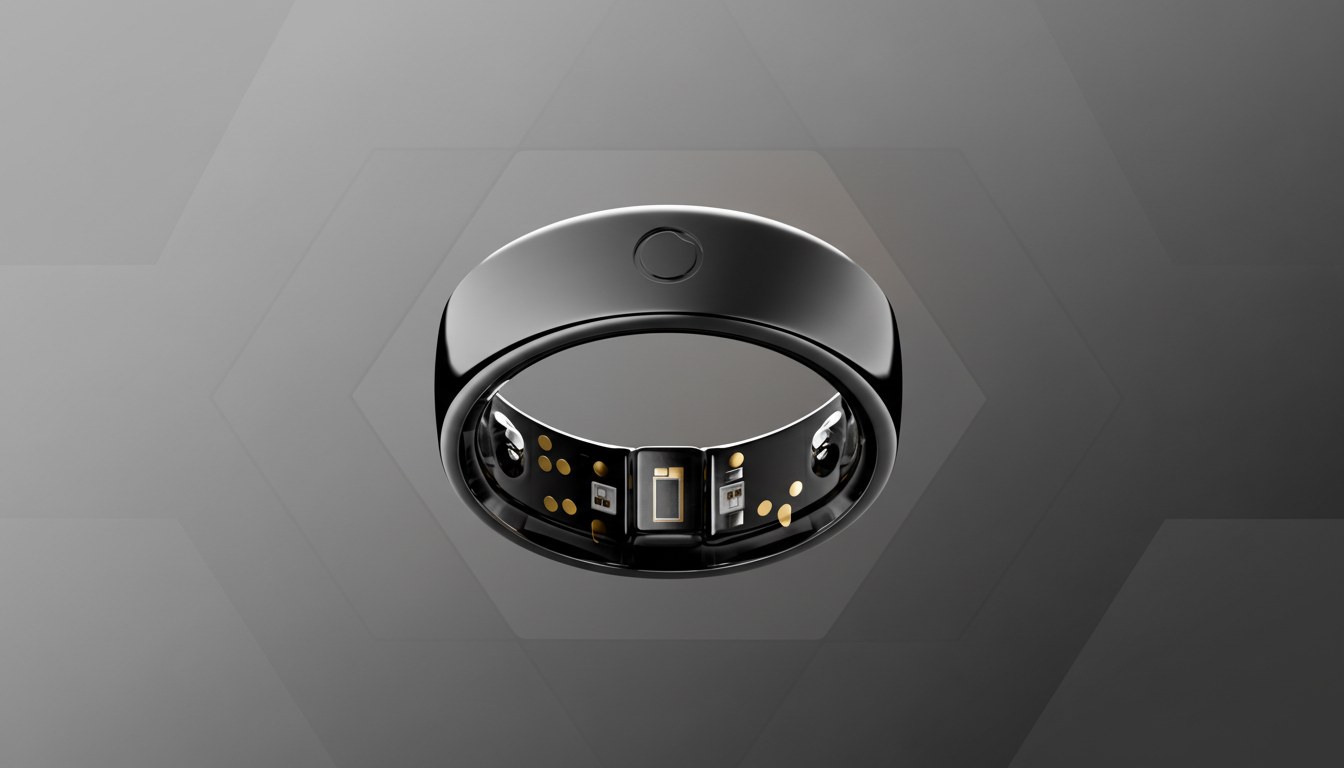
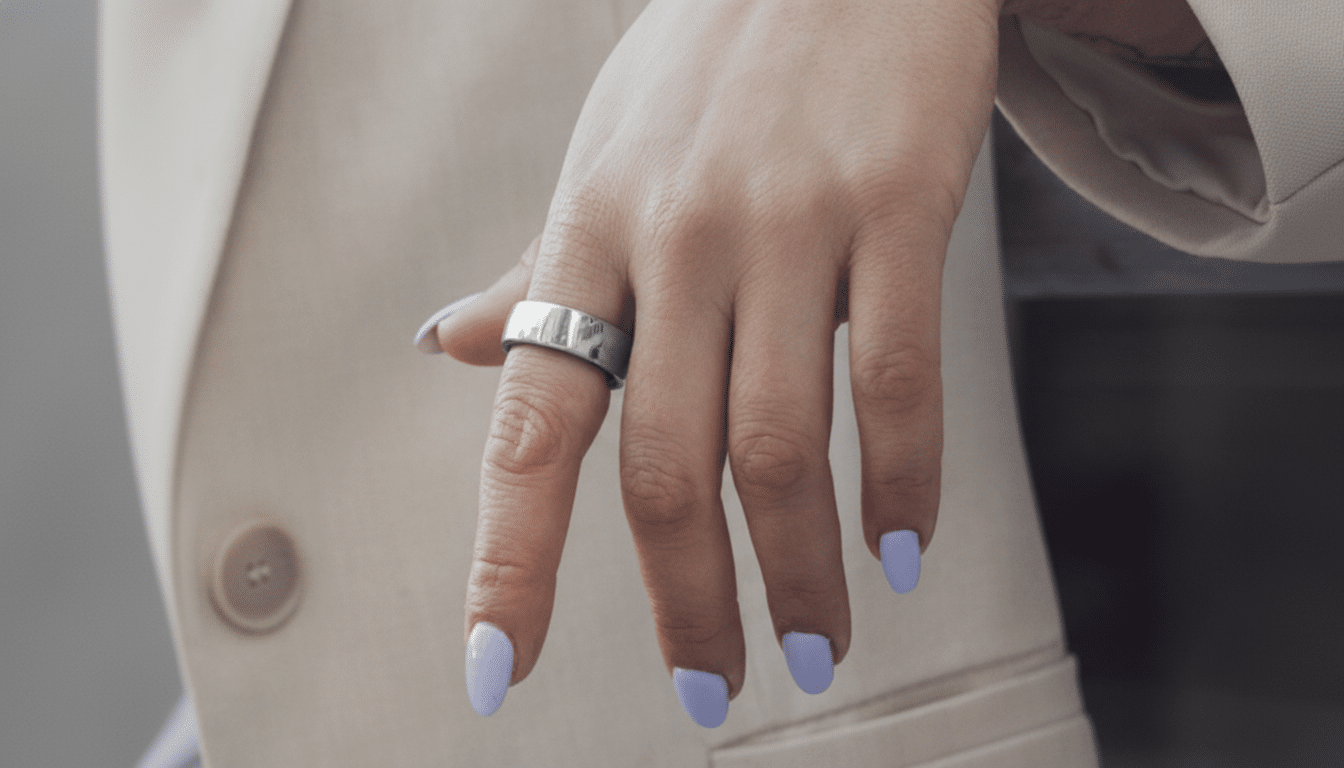
At roughly 3 grams with a hypoallergenic titanium shell, the Circular Ring 2 is designed to disappear on the finger. It’s slim enough for sleep tracking and sturdy enough for daily wear. Battery life is rated for up to eight days, and it supports fast wireless top-ups in about 30 minutes, which minimizes downtime. The ring pairs with iOS and Android, comes in nine US sizes, and the company recommends wearing it on a finger of the non‑dominant hand to improve signal consistency.
Accuracy in compact form factors often depends on reliable skin contact and motion handling. Rings have an advantage here: unlike watches that can shift on the wrist during workouts or sleep, rings typically maintain firmer contact with the skin’s vascular bed, which can help with optical heart rate and temperature-derived insights. That said, proper fit remains crucial for any biometric ring to perform well.
A Standout Feature: No Monthly Fees Or Paywalls
One differentiator at this price is that Circular doesn’t lock core metrics or insights behind a paywall. By contrast, several competitors rely on memberships to unlock advanced analytics. For context, a $5.99 monthly membership adds roughly $144 over two years—more than half the current asking price of this ring. If you value long-term ownership costs, cutting the subscription can be as meaningful as the upfront discount.
Why These Metrics Matter For Everyday Health
AFib awareness is not niche; the American Heart Association notes that millions of adults live with atrial fibrillation, and early detection of irregular patterns can prompt timely clinical follow-up. On sleep, the Centers for Disease Control and Prevention estimates about one in three adults aren’t getting the recommended seven hours per night—making sleep staging and recovery scores tangible levers for everyday performance. Wearable-derived VO₂ max estimates have also become a common way to track cardiorespiratory fitness trends between lab tests, offering a rough “fitness age” proxy that many runners and cyclists use to guide training.
As with all consumer wearables, Circular’s data and ECG tools are for wellness guidance and should not replace professional medical advice. The real value is trend spotting—seeing how stress, sleep, and training interact and then adjusting behavior with that context in mind.
Roadmap And Realistic Expectations For New Features
The company says additional features such as blood pressure and glucose trend tracking are on the roadmap. Industry-wide, cuffless blood pressure estimates typically require calibration and are best viewed as directional rather than diagnostic, and glucose “trends” in consumer wearables refer to correlations from multiparameter signals, not direct blood glucose readings. It’s encouraging to see continued development, but buyers should treat future promises as bonuses rather than the core reason to purchase.
Who The Circular Ring 2 Fits Best For Daily Use
If you want rich health metrics in a form factor that won’t compete with a watch, this ring makes sense. Endurance athletes gain value from VO₂ max, recovery, and HRV trends; shift workers and new parents can lean on sleep insights to optimize limited rest; and anyone focused on stress management can benefit from seeing physiological responses to routines like late-night screens or afternoon caffeine.
With today’s 33% discount to $299, its subscription-free model, and weeklong battery, the Circular Ring 2 is positioned as a credible alternative to wrist wearables and paid-membership rings. For users who prize long-term ownership and comprehensive wellness insights, it’s a compelling time to buy.
