An unclassified Central Intelligence Agency system used for open-source intelligence was reportedly breached in a cyberattack, according to an anonymous person familiar with the incident who spoke to the Associated Press. The person said classified information was not involved and that the matter had been resolved, but the intruder, method of entry, information accessed and full scope of the incident remain undisclosed.
The account, published by SecurityWeek in an Associated Press report, is a significant but narrowly defined disclosure. It does not establish that CIA classified networks were penetrated. Nor does it identify the compromised platform, say whether data was taken, or describe how officials determined that classified information was unaffected. The CIA had not responded to a request for comment by the time of Newsweek’s report.
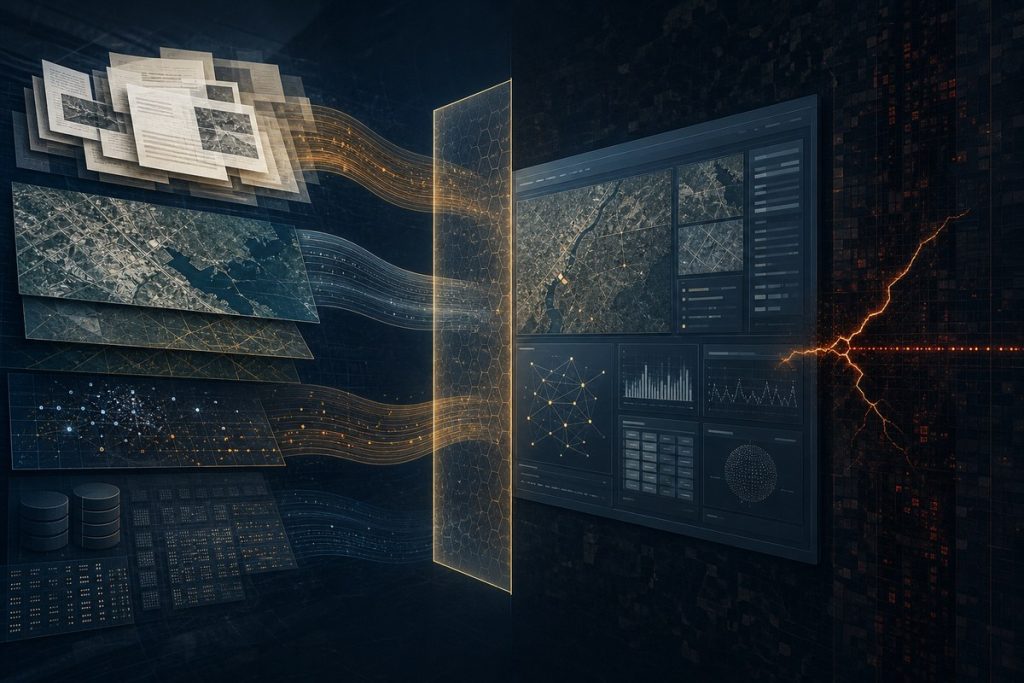
What is known about the reported breach
The AP-based reporting identifies the affected environment as a CIA system handling open-source intelligence, often shortened to OSINT. In intelligence work, that category can include material available to the public as well as commercially purchased datasets and information lawfully gathered from online platforms, publications, imagery providers and other non-classified channels.
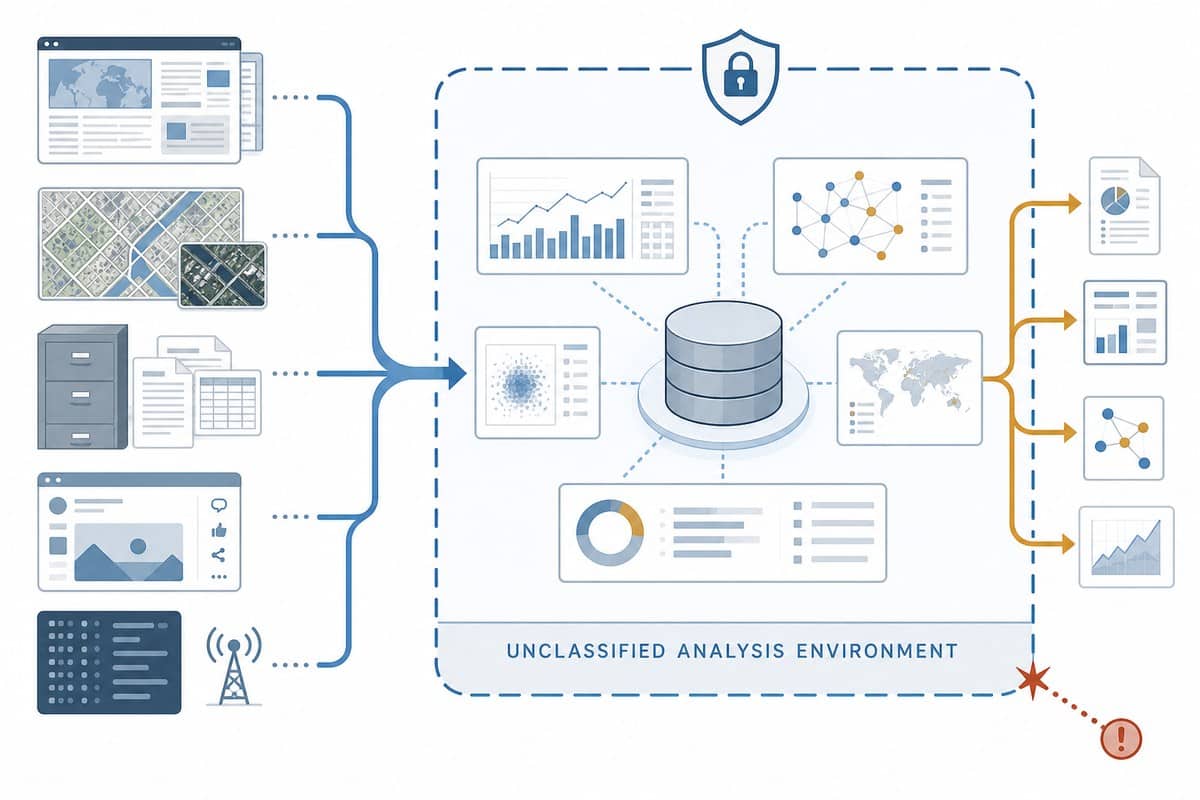
Calling a system unclassified describes its security designation, not its lack of value. An analytic environment built around public and commercial inputs may still reveal which sources analysts monitor, how data is organized, what subjects receive sustained attention and which commercial services an agency uses. Those are illustrative operational risks, not claims about what attackers obtained in this case.
The reported absence of classified information is therefore an important limit on the incident, but it does not answer every security question. Reporting has not specified whether the affected system held user records, search histories, internal analytic notes, source lists, technical documentation or any other category of information. It is also unknown whether the system was isolated from other agency infrastructure or whether any credentials were exposed.
Reported scope has widened, without public confirmation
Subsequent accounts have described a potentially broader event. Newsweek, citing reporting by The New York Times, said the affected network was used by both the CIA and the Office of the Director of National Intelligence for analysis of publicly available, unclassified material. A Daily Beast account likewise described a CIA-and-ODNI network.
That broader scope has not been publicly confirmed by either agency in the cited reporting. The AP-based account identifies a CIA system; claims involving ODNI have appeared in follow-up reports attributed to the New York Times. One further report also named the National Geospatial-Intelligence Agency, but no available public statement resolves whether NGA was affected. It would be premature to treat those agencies as confirmed victims of the same intrusion.
An ODNI official quoted in Outlook India’s account of the New York Times reporting said critical capabilities had not been disrupted. That is a narrower operational claim than an assurance that no information was exposed, and it does not fill in the technical details of the breach.
Attribution claims remain unsubstantiated
The attacker has not been publicly identified. The AP report said the responsible party was unclear, and neither the CIA nor ODNI had issued a public statement in the cited reports assigning blame.
Outlook India relayed anonymous-source claims attributed to the New York Times that investigators were examining possible use of an AI-powered tool called Artex and had preliminary indications that could point to Chinese involvement. Those details do not appear in the AP-based reports, and no corroborating public evidence has been released. They should be read as lines of inquiry reported by unnamed sources, not as an attribution or a confirmed account of the attack technique.
The distinction is especially relevant in incidents involving intelligence systems. Initial technical indicators can be incomplete, misleading or deliberately planted, while commercial security tools and AI-assisted software may be used by multiple actors. Public attribution normally requires agencies to explain at least some basis for their conclusion; none is available here.
Why an open-source intelligence system still matters
Open-source intelligence is frequently misunderstood as intelligence that is harmless because its raw ingredients are public. Its value often lies in aggregation, filtering, linking and analysis. A database may connect public records to commercial imagery, archived web material or licensed datasets in ways that make it useful to analysts even though no single input is classified.
A breach of that kind of environment could also provide a map of an agency’s analytical workflow. Again, there is no public evidence that this occurred here. But it explains why officials may treat an intrusion into an unclassified analytic system as consequential while also maintaining that classified information was not affected.
For now, the public record supports a limited account: an anonymous source said attackers breached an unclassified CIA open-source intelligence system, classified information was not involved, and the issue was resolved. The intruder, intrusion method, information accessed and full range of affected agencies remain unknown.