


In China, it will be illegal to sell the completely electronic flush door handles that Tesla made fashionable, pushing for mechanical manual releases on both the inside and outside of most passenger cars. The change is directed at designs that depend on power or software to present a handle, a cool flourish that has become popular across the EV spectrum but has come under increasing scrutiny from safety regulators.
What the New Rule Demands for Manual Door Releases
Draft rules from the Ministry of Industry and Information Technology require that vehicles weighing up to 3.5 tonnes “be provided with a means for passengers to manually unlock” internal and external handles for emergencies. In practical terms, it would enable you, the driver, passenger or rescuer, to open a door even when power is off and electronic systems or actuators fail, or an actuator arm is pulled in.
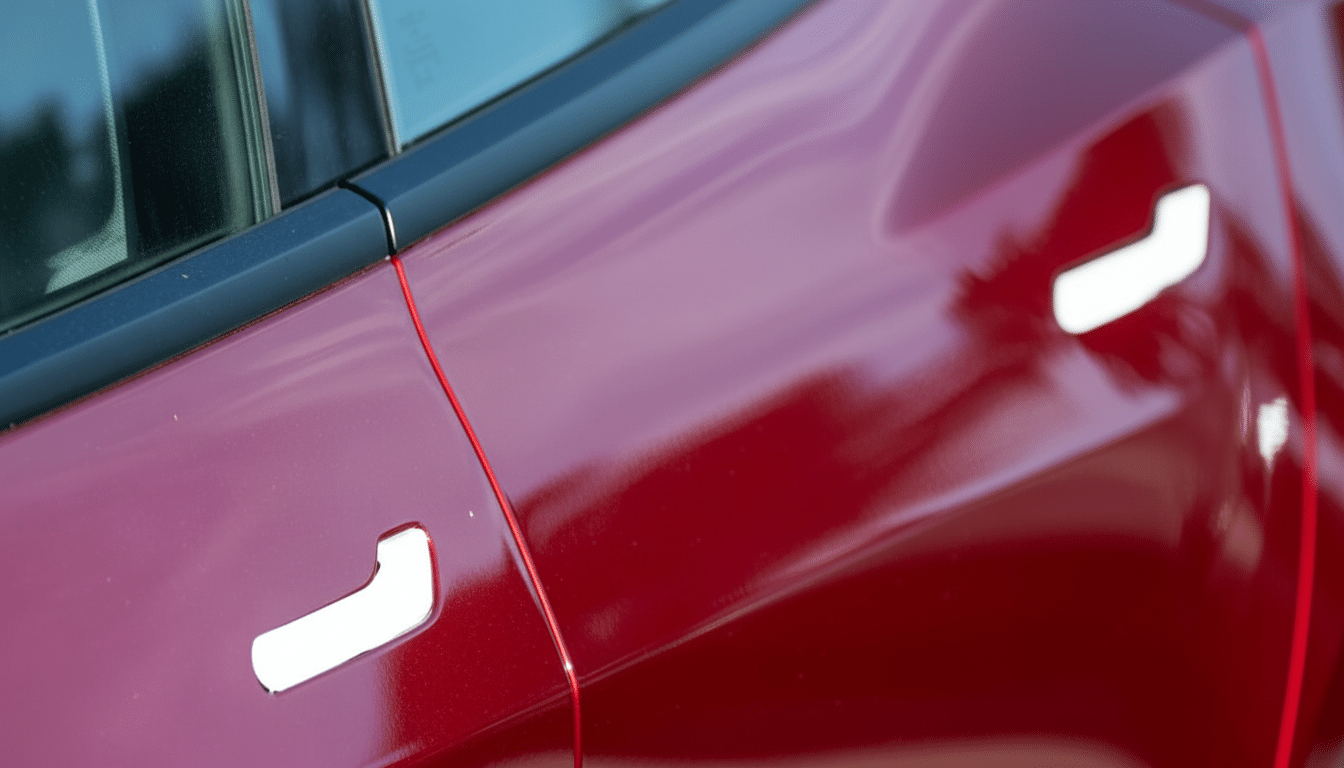
It all adds up to more than just a minor design tweak. It effectively bans new models from featuring Tesla-style electronic pop-out handles, or requires that they be re-engineered to offer a clearly accessible physical override from both sides. Compliance would be enforced through type approval and key safety systems in China’s mandatory certification regime.
Safety Record Propelling the Shift Away From Flush Handles
Regulators are not lacking in cautionary information. A Bloomberg analysis linked 15 deaths directly to incidents when Tesla doors couldn’t be opened, usually after a crash or fire had damaged the electrical systems. Although many EVs have obscured manual releases inside, owners and even first responders say they have had trouble finding them or getting them to work in an emergency.
The National Highway Traffic Safety Administration in the U.S. has received complaints of flush electronic door handles that failed during power loss, including a case where first responders had to break windows to free occupants or get at children. Fire-service organizations have long stressed that when time is of the essence and smoke fills hallways, intuitive mechanical access locations are paramount.
Impact on Tesla and Rivals as China Mandates Manual Handles
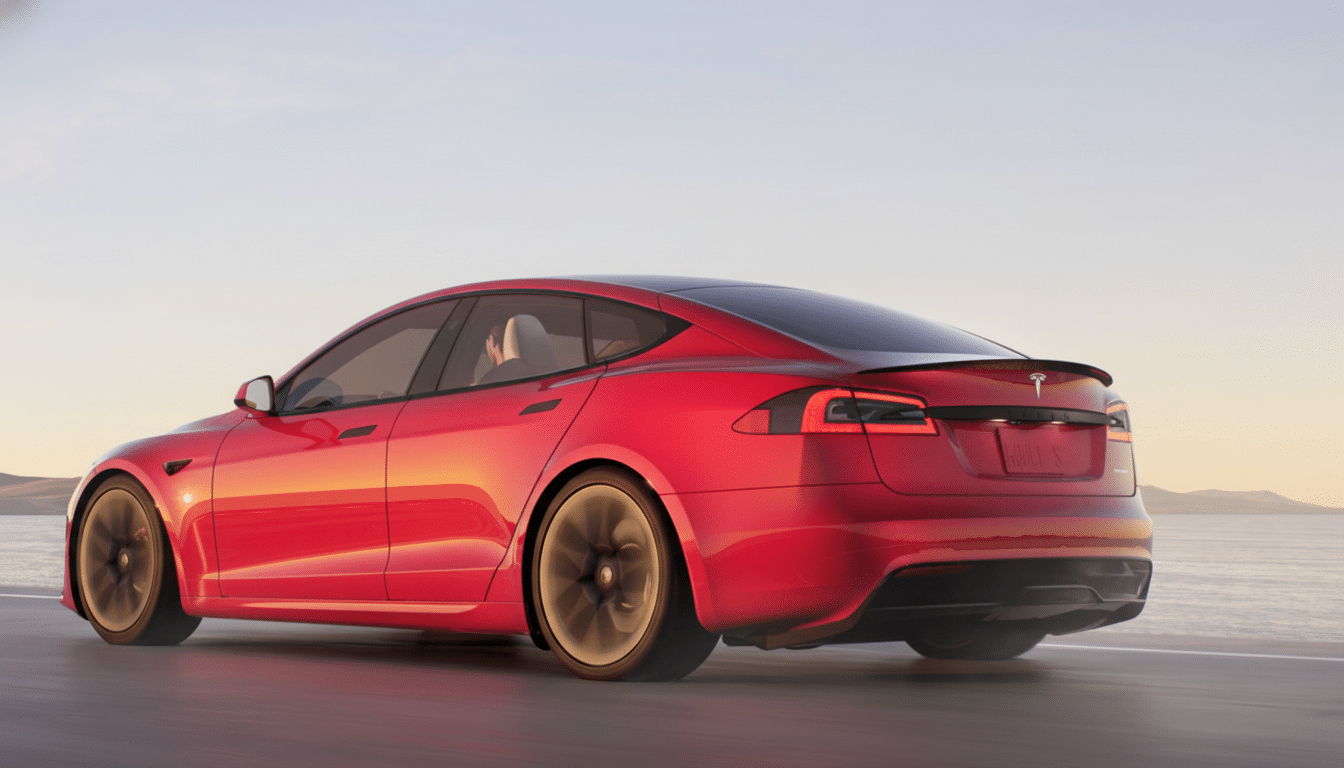
Tesla will be especially impacted by the shift. It is claimed that each of Tesla’s cars employs a flush, electronically actuated handle configuration. In order to continue making cars for China, the company will need to redesign its door systems with an external mechanical emergency release, retool manufacturing processes and then validate the changes through local certification — and do so without diluting brand-defining minimalism.
Domestic players won’t be exempt. Pop-out or flush handles are common practice among premium trim levels for BYD, Nio, Xpeng and Li Auto. The fastest route to compliance for them, they likely hope, is via “hybrid” solutions that maintain smooth surfacing but reveal a mechanical pull point as and when required. There should be a modest aerodynamic penalty: automakers typically measure the value of flush handles in small drag count decreases that are nice to have, but not life-or-death when it comes to range.
The pivot also taps into a vast supplier ecosystem. Huf, Brose and Magna are some of the companies that develop door modules that incorporate latches together with sensors and actuators. Industry analysts anticipate a move to mechanically linked latches with defined tactile feedback and redundant pathways — smart, but fail-safe by design. Any added weight or cost will likely be evolutionary compared with revolutionary.
The Global Regulatory Context for Mechanical Door Releases
China’s action arrives in a landscape where many places already mandate mechanical interior releases. Europe’s UNECE Regulation No. 11, for instance, which is related to door latches and stowage parts, has placed a strong emphasis on the manual passenger escape feature. In China’s draft, what is notable is the clarity of the expectation of an exterior mechanical emergency release mechanism, putting emphasis on egress and evacuation.
The U.S. has not required that flush handles be banned, but continued attention by the NHTSA, along with insurer and testing group interest in how quickly, and at what ages, those in back seats might productively exit after a crash could hasten guidance.
With China now the world’s largest auto market and fast-growing EV hub (new-energy vehicles make up more than 35% of new sales, the CAAM says), its standard could well become a global de facto benchmark for handle design.
What Owners and First Responders Want in Emergency Egress
For existing vehicles now on the road, experts advise that owners should know where and how to operate manual door releases and pass this information along to family members. Fire and rescue organizations — the National Fire Protection Association in the United States, and a China-based organization called Fire and Rescue — have been lobbying for training, labels that are consistent, and tactile cues to make operating in an emergency obvious even under low light or obscured by smoke.
The more general point is obvious — better-looking and aerodynamic are simply additions to the requirement for an intuitive, power-independent method of egress. Car makers are going to adapt fast, and customers aren’t going to miss a party trick if it means there’s a handle you can pull on whenever you need it most.
