


A new survey suggests ChatGPT is quietly overtaking Google in a critical way: it’s becoming the place where people start their time online. If that behavior holds, it threatens Google’s most defensible stronghold—the default entry point to the web.
According to Bango’s poll of 1,400 U.S. ChatGPT subscribers, 72% say they’ve set the chatbot as their default homepage on both desktop and mobile, and 78% have added the ChatGPT widget to their phone’s home screen, as reported by Tom’s Guide. In practical terms, that means many power users now begin with an AI prompt instead of a search box.
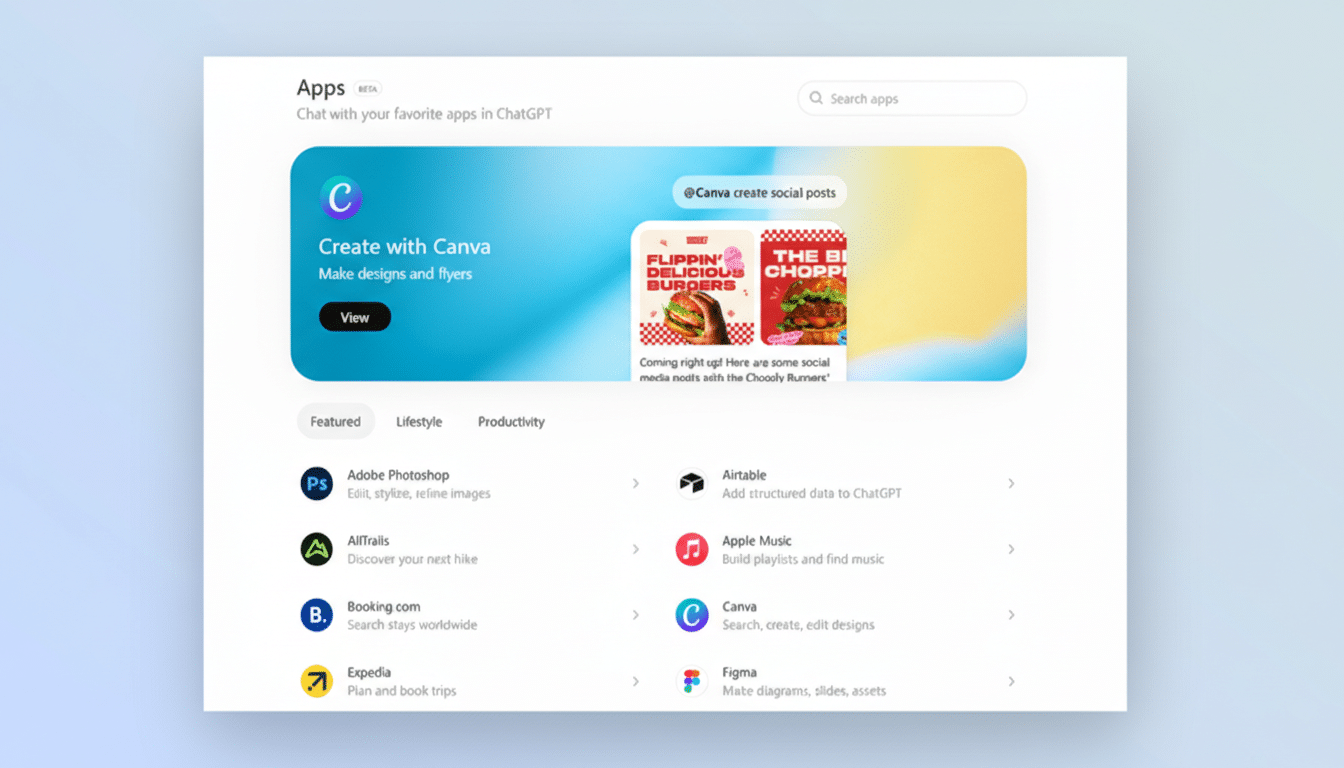
Users Are Making ChatGPT Their Start Page
Homepages shape habits. When the first tap or click opens a conversational assistant, fewer queries ever reach a traditional search engine.
The same survey points to a deeper shift:
- 74% of respondents want to shop inside ChatGPT
- 72% say they’d use standalone apps like Spotify or Maps less if accessible within ChatGPT
- Three-quarters want to complete all daily digital tasks without leaving the assistant
That isn’t just convenience—it’s behavioral lock-in. If an AI agent can book travel, summarize news, troubleshoot code, and compare products, the incentive to switch contexts fades. The starting line of the internet moves, and with it the flow of traffic, advertising, and commerce.
Why The Homepage Battle Matters To Google
Google’s search dominance has long been reinforced by default placement. Court filings show Google has paid Apple as much as $20 billion per year to remain the default search option on iPhones. In 2024, a U.S. federal judge ruled that Google illegally maintained a monopoly in online search; remedies are still being determined, but the case spotlighted how critical defaults are to preserving market share.
Despite this, Google still commands overwhelming reach—StatCounter regularly pegs its global search share near 90%. But dominance on paper can erode if user journeys begin elsewhere. When the first question is posed to an AI assistant, fewer queries generate ad impressions, fewer clicks hit publisher pages, and fewer navigational searches flow through the engine that has monetized them for decades.
Generative answers accelerate the trend. If an assistant produces a direct, contextual response—complete with citations, shopping options, or booking links—the traditional list of blue links becomes a secondary step, not a starting point.

The Alarming Shift to All-in Assistants on the Web
The most unsettling signal in Bango’s data isn’t the homepage setting itself—it’s the appetite to do “everything” inside ChatGPT. Consolidation of tasks inside a single assistant could compress the open web’s discovery funnel and starve the ecosystem that depends on search referrals. Publishers have already warned about declining visibility as AI summaries proliferate; industry groups like the News Media Alliance and the IAB have called for clearer rules on AI’s use of content and its impact on traffic and revenue.
Ecommerce could feel the shift too. If product research, price comparisons, and checkout are mediated by an AI agent, marketplaces and retailers will need new playbooks for visibility and attribution. For app makers, the survey’s finding that users would rely less on standalone apps if integrated into ChatGPT hints at a looming contest over distribution and deep-linking, not just search rankings.
How Google May Respond to the AI Homepage Shift
Google is already pushing AI Overviews into Search and threading its Gemini model through Chrome, Android, Workspace, and the Pixel ecosystem. The strategy is straightforward: make Google’s assistant the first stop, not just the place you land after a query. Microsoft is attempting something similar with Copilot in Windows and Edge. Choice screens mandated by regulators in Europe and ongoing U.S. antitrust oversight will influence how aggressively these defaults can be enforced.
Ultimately, the contest is about who owns the user’s first intent. If ChatGPT captures that moment for a meaningful share of people—even a subset of its subscriber base—the ripple effects will reach advertising markets, affiliate models, SEO strategies, and app distribution.
Read the Fine Print on the ChatGPT Subscriber Survey
There are caveats. Bango’s sample focuses on U.S. ChatGPT subscribers—enthusiasts predisposed to deeper adoption—so it likely overstates mainstream behavior. The findings are nonetheless a clear directional signal: for many, the web now begins with an AI prompt.
That is the alarming way ChatGPT is overtaking Google. Not by beating Search at its own game overnight, but by moving the starting line—and changing the game entirely.
