


A new code hint from within ChatGPT teases that it’s possible that ChatGPT will soon access Apple Health data to provide more personalized and accurate health and wellness answers on the iPhone. Code found in the ChatGPT iOS app indicates an integrated feature that would interpret activity, sleep, breathing, diet and hearing data — bringing OpenAI’s assistant much closer to experiencing the daily rhythms of Apple Watch and iPhone users.
What the discovered code reveals about integration
MacRumors found assets in the ChatGPT iOS app that imply there could be an integration with Apple’s Health framework. Apple and OpenAI have not commented, but the assets look to reference the same data domains Apple Health monitors, suggesting a first-party permission flow that would enable users to selectively share metrics with the chatbot.
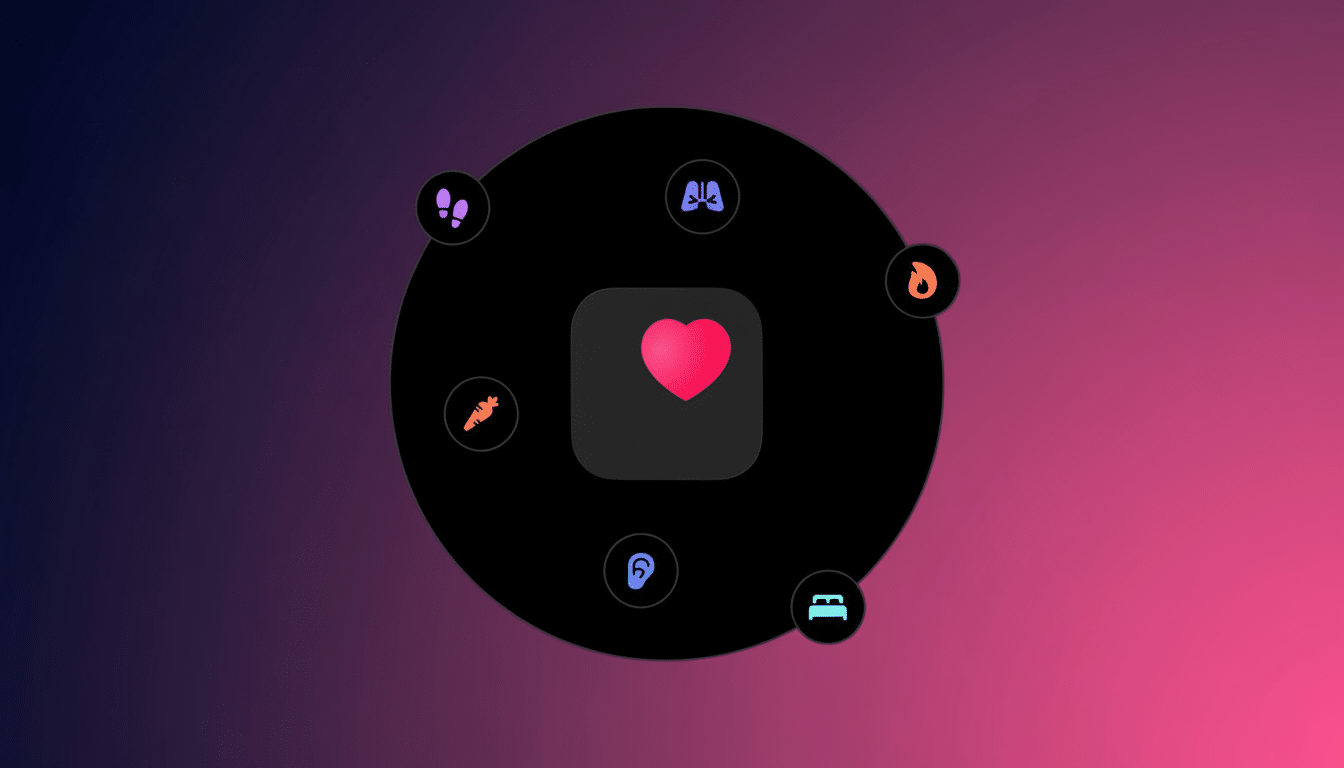
The find complements OpenAI’s recent introduction of app integrations, which allow ChatGPT to act and retrieve context from approved services. Current partners include Booking.com, Canva, Expedia, Sigma and Spotify. If it ships, an Apple Health connector would be the first to plunge so deeply into a user’s biometrics and day-to-day habits.
Why it matters for users and everyday wellness
Context is what’s lacking in many health chatbots. The ability to know that you’ve been averaging only 5 hours of sleep, did a high-intensity workout yesterday and got high exposure to headphone audio last week could enable ChatGPT to serve up advice in a manner that generic guidance simply can’t. It doesn’t have to be canned advice; it might tell you why you’re feeling sluggish today, or propose a recovery-oriented plan after some recent strain.
The potential audience is substantial. Apple’s Health app crosses both iPhone and Apple Watch, and Counterpoint Research has said that it estimates the Apple Watch represented about a quarter of global smartwatch shipments in 2023. Even if only a small percentage of people opt in, this would put the feature in front of tens of millions of active users who are used to checking the rings and sleep stages and heart-related metrics every day.
Privacy and compliance questions for health data
Health information is sensitive, and Apple has strict rules around HealthKit. Apps must ask permission in explicit granular detail; they can’t leverage health data for advertising or sell it; and any transfer off the device itself has to be transparent to users. Apple also provides end-to-end encryption for Health data that is synced across devices via iCloud, which is enabled when both you and your recipient have two-factor authentication turned on.
If ChatGPT is accessing Apple Health, users can expect a clear consent flow and controls to revoke access easily. For what it’s worth, HIPAA usually only applies to covered entities and their business associates, not most consumer apps. The Office for Civil Rights at the US Department of Health and Human Services has repeatedly warned that consumer AI tools processing health data must disclose how data is used, stored and shared. For OpenAI, that probably translates to noticeable privacy notification and a scrupulous separation of health signals from ad or model-training pipelines unless users explicitly opt in.
How it might work in practice on iPhone and Watch
According to existing integrations on OpenAI, users would enable access to Apple Health in ChatGPT’s Settings under Apps and Connectors, then select which categories (say: steps, sleep or nutrition) they want to share. From there, more prompts — “Why am I feeling more fatigued this week?” — could prompt a review of recent sleep debt, training load and resting heart rate trends and offer recommendations for recovery and light coaching to reach sleep and activity targets.
Another: “Help me plan a 5K training week” might tweak your current VO2 max estimate, past pace and weekly mileage—nudging volume safely back if strain spikes, say, and adjusting recovery. For hearing health, the assistant might have raised a red flag at continuous prolonged exposure to high decibels and recommended listening breaks or lower volumes in line with Apple’s current exposure notifications.
The competitive context among AI and health platforms
The deal would give OpenAI an even bigger foothold in consumer wellness, at a time when Google and Samsung have pushed deeper into health with the help of Fitbit and Samsung Health. Wearables have long been about distilling data; the next wave is about proactive, conversational coaching that deciphers signals and guides users to act.
Apple itself is said to be exploring more ambitious health features, including premium Health offerings and an internal “AI doctor” effort that would dole out diet and wellness recommendations, according to Bloomberg reporting. For the time being, OpenAI leadership is said to have turned its attention toward making ChatGPT a better day-to-day experience—either accelerating a polished Health integration or pushing one back, if other agents’ work moves to the front burner.
Release outlook and what the early code hints suggest
If it doesn’t pan out, these code references don’t mean the feature will ever ship: There’s no official timeline here. Should it move forward, anticipate a gradual rollout, an aggressive consent flow and guardrails against medical claims. The reward is big: a smarter assistant that gets your body without requiring you to paste metrics. The problem is as big: earning trust from users to touch some of the most personal data on their phones.
