


Show-filled product launches are one thing; shipping, service and real-world performance is another. We revisited the hottest gear from last CES to see who won big, and who came up small—and if some of it ever made it out of prototype purgatory. The snapshot beneath splits the market traction from show-floor buzz, based on hands-on testing, pricing trends, and company push or pull updates.
Laptops and desktops: what shipped and what stumbled
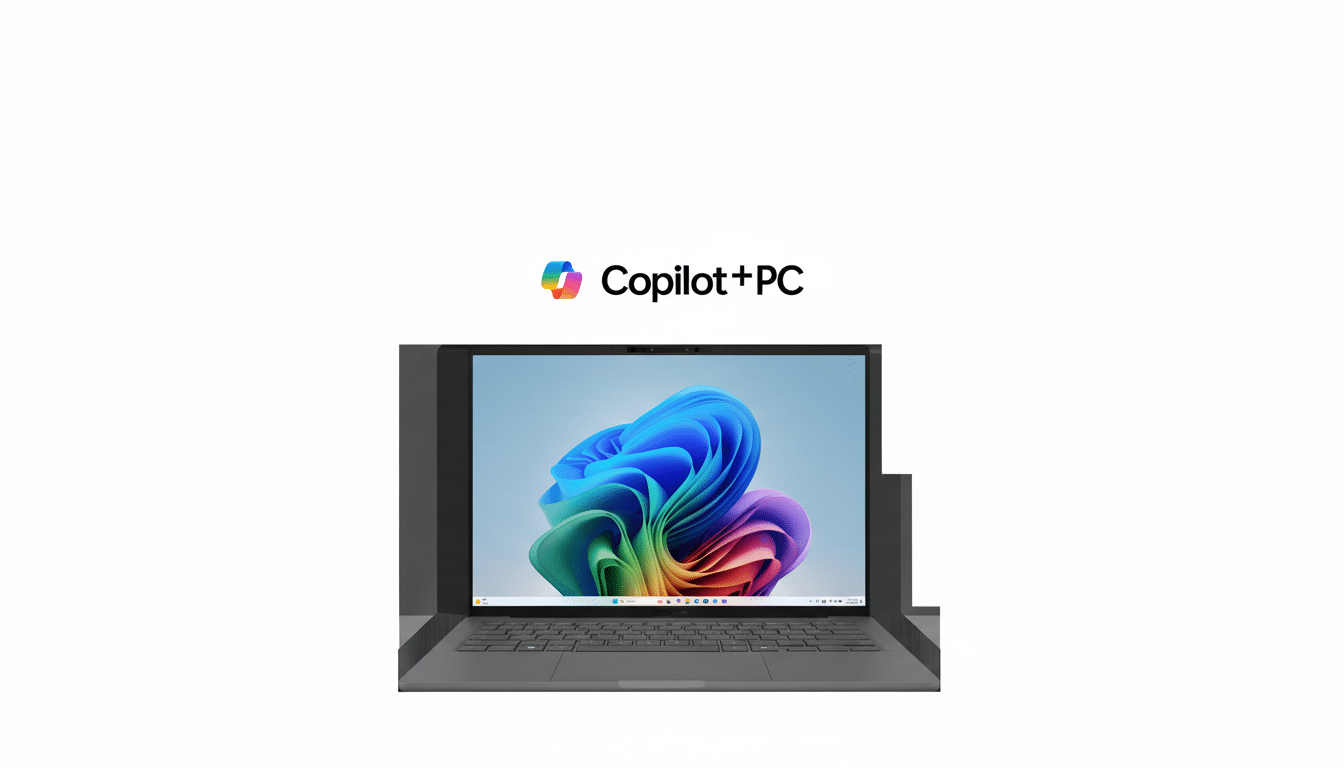
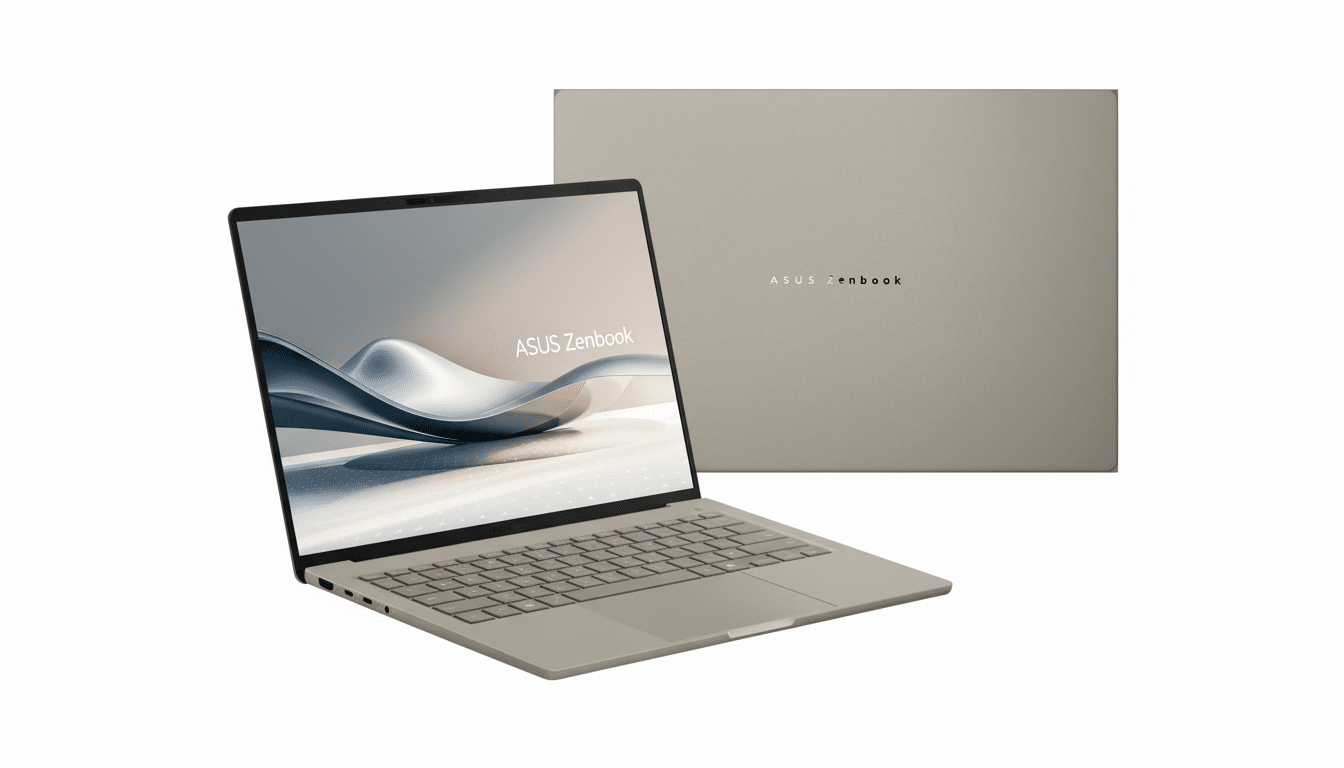
Asus’ Zenbook A14 was an early favorite in the entrant class, winning cheers for its light construction, magnesium-alloy casing and day-and-a-half battery life. In everyday use, it’s a great ultraportable still, though the Qualcomm Snapdragon X Plus silicon inside its Copilot+ PC auspices was iffy against top-flight x86 competitors. The conclusion: great portability and a punchy OLED at a striking sub-$1,000 street price, but the performance you get is tuned more for quiet efficiency than serious lifting.
- Laptops and desktops: what shipped and what stumbled
- Gaming handhelds and tablets: updates on performance
- Wearables and audio: real-world gains and gaps
- Smart home and robotics: what worked at home
- Connected outdoors and mobility: progress and pitfalls
- Platforms that will drive the next wave of innovation
- Quirky hits and quiet climbers from the CES floor
- The bottom line: separating durable wins from demos
MSI’s Vision X AI 2nd, meanwhile, left demo status and finally turned into a buy-now system, featuring a front-mounted 13-inch touchscreen that doubles as either a live dashboard or second display. The limited configurations and eye-watering pricing betray its boutique status, but the concept is an undeniably useful one for PC power users who relish quick reference telemetry on the fly.
Not every idea made it through the launch gantlet. MSI’s Project Zero X, an eye-catching evolution of its hidden-cable “Zero” platform, has unfortunately been a showpiece, thanks to proprietary boards and chassis holding it back. At the other end of the spectrum, however, Corsair’s Frame 4000D made a trip in the other direction: being fast to market, getting widely discounted and lauded for its pain-free build process and three included ARGB fans that make it a wise choice for first-time budget PC builders.
On the silicon side, AMD’s Ryzen 9 9950X3D delivered as advertised, taking home gaming victories while trading body blows with Intel’s top chips in content creation.
If you are building an uncompromising gaming rig, it’s still the part to beat.
Gaming handhelds and tablets: updates on performance
Lenovo’s Legion Go S would have delivered more performance with a Switch-style Windows handheld. The Windows model didn’t live up to that and the AMD Ryzen Z2 Go has trouble consistently outpacing its predecessor. The surprise twist: The SteamOS variant unlocked smoother game performance and a superior user experience, creating an even more credible upgrade path into the 15-year-old, quasi-traditional PC space for Steam Deck owners.
Lenovo had a small hit with the Legion Tab Gen 3 too. The 8.8-inch, 2,560-by-1,600 screen operates at 144Hz and is cooled by a Snapdragon 8 Gen 3 processor and a dedicated vapor chamber to protect against thermal throttling. At $389, it’s a rare small tablet that feels designed for speed of play rather than compromises.
Wearables and audio: real-world gains and gaps
Ozlo’s Sleepbuds came to market with a focus on comfort and noise-canceling that’s attuned to the bedroom, not the subway. Reviewers praised both the fit and isolation, but the company’s promised sleep-tracking rollout lagged. If what you care about is blocking out the world when you sleep, they deliver; if you’re looking for radical advances in biometrics and software… that part is still catching up.
Circular’s Ring 2 came in at an attractive $249 with AFib detection and ECG on the finger, but early adopters complained of an at-times laggy app (now remedied), slow syncs and inconsistent metrics. The hardware side is promising — the battery life and comfort are competitive — but value depends on software polish.
JBL’s Tour One M3 headphones caught the eye for a neat trick: a transmitter in the case beaming out audio from nearly any 3.5mm or USB-C source to the cans. Everything else is the usual solid spec sheet—40mm Mica Dome drivers, eight mics, spatial sound, Auracast support—which works with an astonishing 70 hours of battery life. Noise canceling isn’t the best in class, and tariffs raised the price from $399.99 to $449.99, but it’s the transmitter that makes them truly travel-friendly.
XReal’s One Pro established itself as a useful AR sidekick. With a 57-degree field of view and head-tracked “ultra-wide” virtual monitor (3,840 by 1,080), it’s a productivity workhorse on planes and in hotel rooms. Although the company hints at more sophisticated XR platforms to come, it’s this model’s applicability as a second screen on the go that seems likely to win repeat use.
Smart home and robotics: what worked at home
The robotic arm of the Saros Z70 vacuum looked futuristic on the show floor, but at home it can pick up only a prescribed set of items and works best on hard floors. $2,599 is a high price to pay for a “$1,200” demo more than it is for a must-have cleaner. Compare that with the Ultraloq Bolt Mission smart lock, which has yet to hit retail; its UWB plus NFC auto-unlock design is intriguing, and its parent company seems like one to keep an eye on.
Connected outdoors and mobility: progress and pitfalls
The Offgrid satellite SOS puck from HMD offers emergency connectivity over the horizon in key regions. The hardware is extremely affordable at $149.99, but ongoing service fees, reports of inconsistent connectivity and a lack of support have all dulled momentum — especially with carriers and Apple now expanding native emergency satellite services on mainstream phones.
Honda’s two edgy EV concepts are clanking along further in development. The SUV will be the sole focus for North America, with a low-slung saloon set to follow later. The updated prototype features a new design language that appears to be more or less from the ground up and could see production, but driving range, charging infrastructure and software ecosystems will ultimately determine whether it cuts through a competitive field.
Platforms that will drive the next wave of innovation
Nvidia’s Cosmos was not a gadget at all, but there may have been no more consequential “product” at that show. Remade as open-source with new prediction technologies, controllable world generation, and reasoning agents embedded in its environment, Cosmos has evolved into a training sandbox for robots, drones, and AVs. Robotics players including 1X, Agile Robots, Agility Robotics, Figure AI and Uber have tapped it to speed up simulation-to-reality pipelines—a trend mirrored in research circles reported on by IEEE Spectrum and premier AI labs.
Quirky hits and quiet climbers from the CES floor
Flint — a battery start-up that drew attention because of its focus on safer chemistries and flexible packaging — went from pitch deck to production and is now working with major device makers. The sort of behind-the-scenes work doesn’t exactly trend on social feeds, but it’s what helps a prototype become shipping material.
And those electric spoons that amp up saltiness and umami with a light, lip-twitching charge? It remains an oddity with limited availability beyond its home market, offered primarily through gray channels at premiums. Novel, yes; mainstream, not yet.
The bottom line: separating durable wins from demos
Among all the categories, those winners that delivered on a pattern: They had clear use cases, realistic pricing and rigorous software support. Those that faltered dangled on show over reality. That’s the best filter there is to separate durable innovation from one more fly-by-night demo, just as the next wave of launches approaches.
