


Each new year, CES manages to fill us with a nostalgia for the future. Here are some of the gadgets that dared to be impractical, or experimental, or just gloriously unnecessary on this year’s show floor. And yet, buried in the spectacle were clues about where consumer tech is going next: It’s getting more human, playful and a little sparkly — especially when it comes to staking out who gets to occupy the odd corners of our lives.
Edible Audio Hits the Sweet Spot With Candy Tunes
Yes, it’s a real “lollipop that plays music.” Enter the Lollipop Star, which takes bone conduction (lots of times seen in sporty headphones) and routes that business through your teeth via a sugar pop. You bite, the stick vibrates, and your ear hears the track while your mouth gets the treat. The candies were sold at a price closer to that of one song download, presenting them as an impulse purchase rather than a statement product.
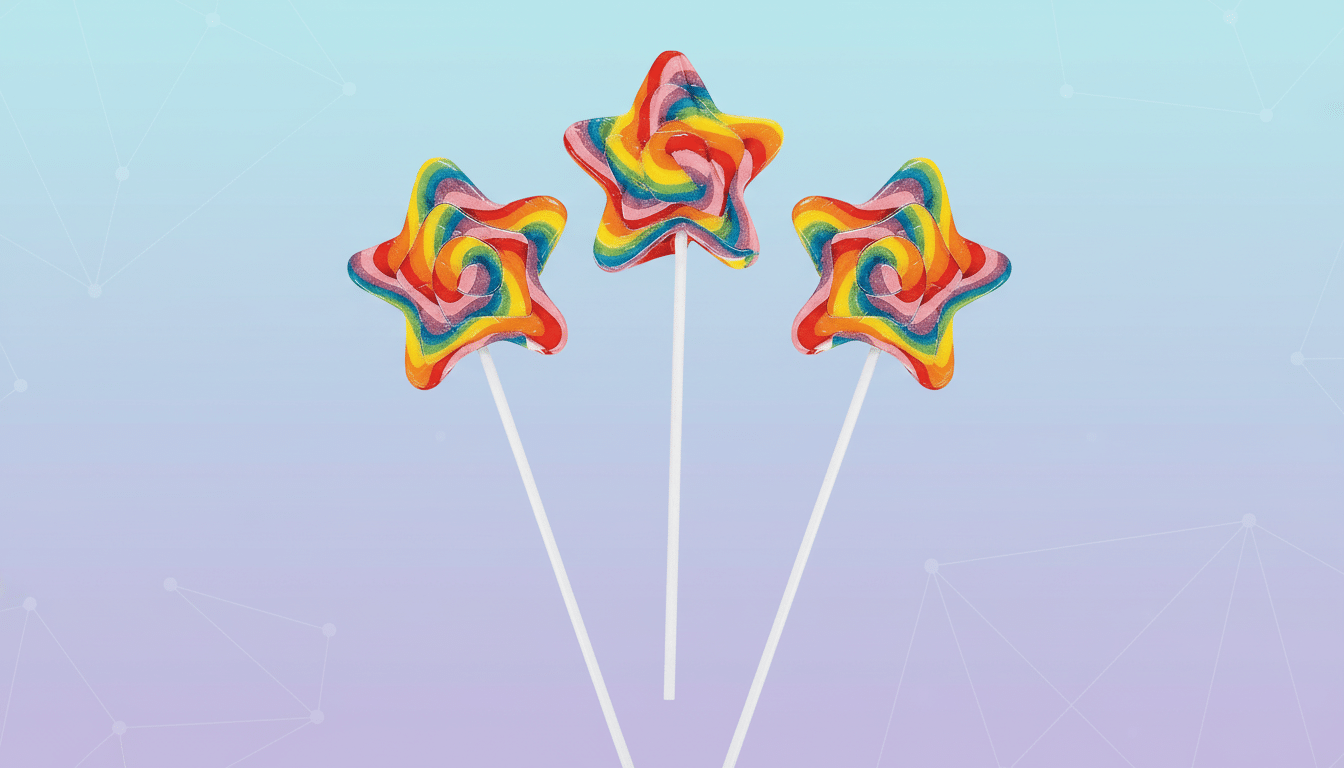
Bone conduction is decades old and medically approved, but smuggling it into a candy is another matter. Will that novelty survive the sugar high? Probably not. Even so, as a demo of real-life audio it’s clever — and it suggests an interesting future trend for your ear: “situational sound,” with listening that moves between very personal and shared without using traditional speakers. In comparison, mainstream producers like Shokz (née AfterShokz) made bone conduction normal; this is the whimsical follow-up act.
Headphones That Double as a Speaker for Shared Sound
New audio brand TDM was showing off a pair of headphones that literally twist to transform into a tabletop speaker. It’s an appealing concept: the same device for the morning commute and hasty hotel-room playlist. The engineering trick is to get driver orientation, acoustic chambers and power management to perform with credibility in two modes without making you feel like you’re settling for something.
Previous experiments — neckband speakers from big brands, or cans with “share mode” — never quite got the social and privacy trade-offs right. TDM involves an actual hardware switch, not a software toggle. If it takes off, look for others to follow suit with the pivot, especially as consumers increasingly long for fewer devices that do more. If not, we’ll blame it on CES for promoting the physical in an app-ridden land.
An Ultrasonic Knife That Slices Paper-Thin
Seattle Ultrasonics’ $399 kitchen knife vibrates the blade at ultrasonic frequencies, allowing it to cut through tomatoes and crusty bread with ease.
Industrial cutting relies on ultrasonics, which creates rapid vibration that can easily cut through tissue with minimal drag and sticking; bringing such physics to home kitchens could be a boon for cooks with weak hands.

There’s also an accessibility angle that feels long overdue. The Arthritis Foundation has long pointed out that a lack of grip strength is a barrier to kitchen independence for many. A clean-cutting assistive blade, on the other hand, may be more than a party trick. The caveats: battery life, sanitation (every seam that moves poses a cleaning problem) and safety on something made to behave as though nothing is there. If those are resolved, this goes from “weird flex” to “quietly transformative.”
AI Companions Get Physical With Robots and Desktops
Robotic companions were all the rage, but two were especially inspirational for their commitment to presence over ubiquity. Mind With Heart Robotics’ panda An’An is a soft, expressive bot intended to serve social interaction — say elder care check-ins and kids practicing conversation — not “endless-answer assistant” style. It follows similar findings in long-running studies of pet-like robots like Paro, which have shown mood and engagement benefits in care settings described by researchers featured across journals and outlets such as IEEE Spectrum.
Lepro’s Ami is on the other end of things, an AI “soulmate” in a tiny OLED desktop display. The pitch is conscious friction — a device that is meant to be something of a companion that lives on your desk, not in your pocket. In a year that brought an announcement from the U.S. Surgeon General about how loneliness is, among other things, a public health issue, with data showing isolation to be associated with a 26% elevated risk of early mortality, devices that promote regular eye-level engagement feel timely. The open questions: how empathy is quantified, what data stays on-device and whether subscriptions will gradually erode trust.
Why Weird Is Important at CES and What It Foreshadows
Operated by the Consumer Technology Association, CES has forever been something of a trade show and of theater. The theater matters. Today’s oddball demonstration often sows tomorrow’s section. The drones of yore were toys; now they’re infrastructure. Highly delicate foldable displays now seem commonplace. Even if a singing candy never scales, the sound it produces spurs engineers to rethink how we find and experience sound.
The animating throughline this year is embodiment. After years of pure software sprints, the wildest ideas are being given physical form through AI and audio — things you hold and twist and bite or hear at your desk. It’s a bet that less screen time, more presence and a little joy can make technology feel human once more. That might be the queerest idea of all — and the most resilient.
