


For many car owners, a worn or damaged catalytic converter seems like nothing more than useless waste. However, this automotive component actually contains valuable materials that make it highly attractive for recycling. Understanding what is hidden inside an old converter helps explain why throwing it away means losing real money and missing an opportunity to contribute to sustainable resource use.
Modern catalytic converters are designed to reduce harmful emissions by triggering chemical reactions that neutralize toxic gases. To achieve this effect, manufacturers use a group of rare and expensive precious metals. These materials remain valuable even after the converter stops functioning properly, which is why recycling has become a global industry with steady demand.
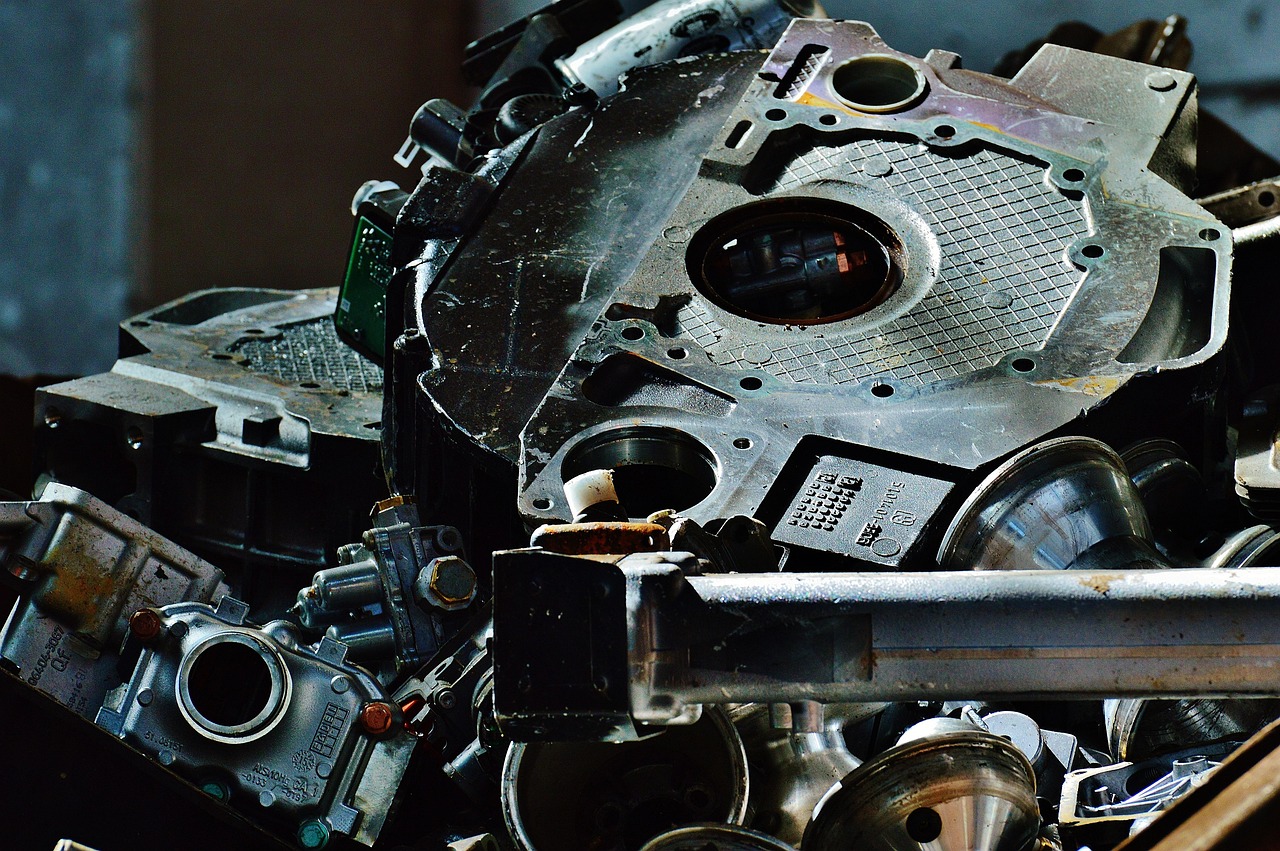
This is where catalytic converter scrap becomes especially important. Specialized buyers use advanced equipment to extract precious metals from used converters and return them to industrial circulation. Such platforms connect individuals and businesses with professional buyers, helping sellers estimate potential earnings through transparent price catalogs and simplifying the entire selling process.

Which precious metals are inside catalytic converters?
The core value of any catalytic converter lies in the precious metals embedded in its ceramic or metallic substrate. The main elements include:
- Platinum – a highly stable metal that efficiently accelerates oxidation reactions and plays a crucial role in reducing harmful emissions.
- Palladium – widely used for gasoline engines, this metal is known for its excellent catalytic properties and high market demand.
- Rhodium – one of the rarest and most expensive precious metals, essential for reducing nitrogen oxide emissions.
The exact proportion of these metals varies depending on the vehicle brand, engine type, year of production, and emission standards. As a result, two converters of similar size may have completely different market values.
What determines the value of an old catalytic converter?
Several technical and market factors influence how much money you can earn from a used converter:
- Precious metal content: higher concentrations directly increase its price.
- Car model and manufacturer: premium brands often use larger amounts of valuable metals.
- Global market rates: prices for platinum group metals fluctuate daily.
- Physical condition: intact units are easier to process and typically valued higher.
By checking approximate prices online before selling, owners can avoid underpricing and make better financial decisions.
Why recycling catalytic converters matters
Recycling catalytic converters is not only profitable but also environmentally responsible. Mining new precious metals requires enormous energy, causes environmental damage, and generates large volumes of waste. Reusing existing materials reduces the ecological footprint and supports a circular economy.
Moreover, growing demand from the automotive, electronics, and chemical industries ensures that recycled precious metals remain in constant demand, further stabilizing this market.
