


When it comes to eating food, dogs are not usually choosy. Many dogs are probably going to eat anything you serve them. But, it does not mean that you can feed them anything from your plate.
One of the questions frequently asked by pet owners is, “Can dogs eat cabbage?” This guide presents a quick read on the potential benefits and risks of cabbage for your dog. It also talks about the preparation guide and safe dosage.
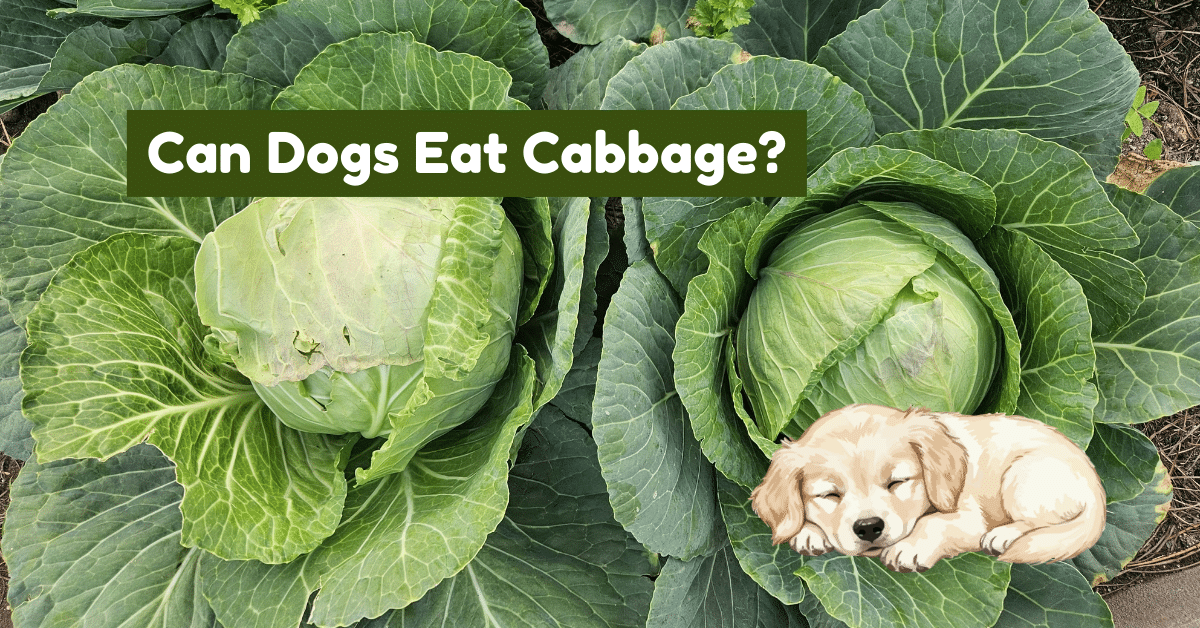
Can Dogs Eat Cabbage?
Dog owners mostly worry about conflicting online advice, as some sources claim that cabbage is healthy for dogs, while others say that dogs shouldn’t eat it. It leads to a lot of confusion.
Cabbage is available in 400 types around the globe. It can be cooked in different ways, and your dog can eat almost all kinds. Many online platforms are full of questions like:
- Can dogs eat red cabbage?
- Can dogs eat purple cabbage?
- Can dogs eat napa cabbage?
- Can dogs eat green cabbage?
The answer to all these questions is YES, but ensure to feed it in moderation. Many dog owners ask, “Can dogs eat cabbage raw?” or “Can dogs eat cooked cabbage?” Do you have the same concern? Yes, your dog can eat both raw and cooked cabbage, but in moderation, as stated earlier.
Benefits of Giving Cabbage to Dogs
Now, you know that you can feed your furry friend cabbage. The next question in your mind could be: Can cabbage be good for dogs? Its benefits are as follows
1. Nutritious
Cabbage is full of a wide range of nutrients, including but not limited to calcium, potassium, Vitamin A, Vitamin C, and Vitamin K. A small amount of magnesium and manganese are also available in cabbage. They support healthy joints, nerves, muscles, and bones.
2. Provides Antioxidants
According to Dr. Hutchins, antioxidants in cabbage shield against free radicals and oxidative stress. They also boost your pup’s immune system. Simply put, these antioxidants improve your dog’s overall health.
3. Improves Digestion
Cabbage contains fiber, which improves digestion if given in cooked form. It also ensures regular bowel movements. Therefore, if you add cooked cabbage to your pup’s diet, it will play a key role in alleviating constipation.
4. Manages Weight
Worried about your overweight dog? Cabbage can be a good treat to manage your dog’s weight due to its low-calorie content. If your dog already has a healthy weight, you can still give cabbage to him, as it does not add many calories.
Risks of Feeding Cabbage
Though no huge risks are associated with giving cabbage to your dog, there are some discomforts your pet may experience, as given below.
1. Thyroid Function Interference
Goitrogens (natural compounds) in raw cabbage can interfere with the thyroid function of your dog if given in large amounts and frequently. In contrast, occasional servings will not be harmful for your pet. If your dog has thyroid issues, avoid giving him cabbage without consulting a professional vet.
2. Choking Risk
Wondering: Is cabbage hard for dogs to digest? Yes, it can be. Don’t give hard or large pieces of raw cabbage to your pup, as it may cause a choking hazard. Small dogs can be more prone to it. Ensure to chop the cabbage and cook it. Then, give the softened cabbage texture to your canine.
3. Diarrhea
Overfeeding cabbage may be harmful to your dog’s digestive system. It may cause diarrhea or constipation. Puppies or dogs from smaller breeds are more sensitive to this issue.
4. Digestive Upset
Cabbage contains raffinose. This compound may lead to stomach discomfort, excessive gas, and bloating. If your dog has a sensitive digestive system, he will be more prone to these issues. Large amounts of cabbage may cause flatulence.
What Are the Symptoms of Cabbage Poisoning in Dogs?
Though cabbage poisoning is rare in dogs, large amounts of raw cabbage may lead to several health issues. At the same time, the use of harmful ingredients when cooking the cabbage can also be a matter of concern.
Below is a list of symptoms that usually impact the digestive system of your dog. It may also impact thyroid function in extreme cases.
- Excessive Gas: Swollen abdomen, restlessness, or visible discomfort.
- Vomiting: Partially digested or foamy food in vomit. Plus, repeated vomiting after you feed cabbage.
- Abdominal Pain: Hunching posture, whining, or pacing. Sensitivity when you touch the dog’s belly.
- Weakness: Sleeping more than normal. Low energy levels also mean weakness.
- Loss of Appetite: Reduced eating interest. Refuse to have meals.
How to Prepare Cabbage for Dogs?
Pet owners are usually concerned about whether to feed raw or cooked cabbage or avoid it entirely. Wondering: How do I cook cabbage for my dog? Below are the steps you should follow.
Step 1: Choose fresh cabbage (red or green is best). Make sure it is not fermented, wilted, or moldy.
Step 2: Wash the cabbage thoroughly using water to make it free from bacteria, dirt, and pesticides.
Step 3: Cut the cabbage into small pieces to reduce choking risk. Doing this improves digestion.
Step 4: Cook the cabbage using the boiling or steaming method for 5 to 10 minutes until it becomes soft. Steaming is highly recommended. Don’t add spices, oil, butter, salt, onion, or garlic while cooking cabbage.
Step 5: Allow cabbage to cool at room temperature before you serve it to your dog.
How Much Cabbage Can I Give My Dog?
Remember, cabbage should not be a meal replacement; give it as an occasional treat. Give it no more than once or twice a week.
- 1-2 teaspoons for small dogs
- 1-2 tablespoons for medium dogs
- 2-3 tablespoons for large dogs
Final Words
“Can dogs eat cabbage?” is the question many pet owners usually ask. You can give cooked cabbage in small amounts to your dog without worrying about anything. Avoid feeding raw cabbage, as it may be hard to digest and may lead to health issues.
FAQs
Can dogs eat boiled cabbage?
Yes, you can give small amounts of boiled cabbage to your dog if it is unseasoned and completely cooked.
How does cabbage affect dogs stools?
Cabbage may firm up stools. At the same time, it can lead to diarrhea or loose stools.
