


Every now and then, a character crashes the culture so hard you immediately want to see them compete on television’s most fearless stage. After Dr. Ian Kelson’s infernal showmanship in 28 Years Later: The Bone Temple, the case is clear: put him on RuPaul’s Drag Race.
Kelson, portrayed with volcanic intensity by Ralph Fiennes, unleashes a high-drama, high-stakes metal number that doubles as survival strategy. It’s theater, deception, and spectacle braided into one breathless sequence—everything Drag Race prizes, distilled into a single performance beat.
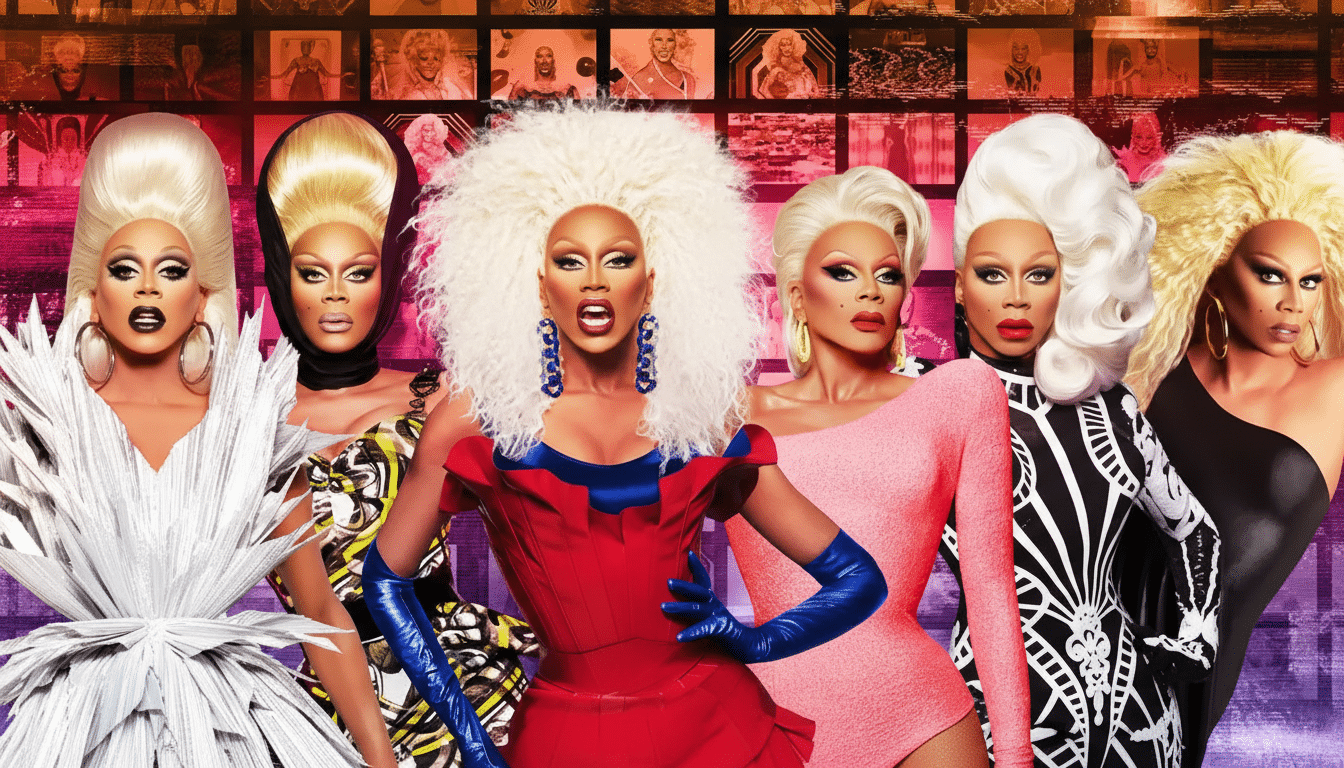
The act reads like a Lip Sync for Your Life transplanted into a post-apocalypse: precision gestures, character illusion, and crowd manipulation, all while skating on the edge of danger. If Drag Race is about commanding the room, Kelson has already demonstrated he can command an empire of bones.
Why Kelson Belongs On The Main Stage Of Drag Race
Drag excellence is more than sequins and splits; it’s storytelling. Kelson builds a narrative in minutes—an invented devil, a sermon of seduction, a finale that detonates expectations. That’s the same DNA behind Drag Race’s most iconic lip syncs, from reveals that change the game to character choices that burn into memory.
His visual world is already runway-ready. Gaunt, ash-smeared contours read as demented couture; the leather silhouette is both brutalist and precise. Translate that to a theme like “Apocalypse Eleganza” or “Metal Messiah,” and you’ve got a category that would set fandom feeds ablaze.
And he’s not a one-trick show pony. The character work that sustains his ruse would crush acting and branding challenges, while the macabre design sense suggests he’d thrive in unconventional materials and interior design tasks. The man doesn’t decorate a club—he consecrates a temple.
How To Use Him On Drag Race For Maximum Impact
Three workable formats jump out.
- A guest judge slot dedicated to performance storytelling, with critiques keyed to narrative clarity and stagecraft.
- The franchise’s beloved Lip Sync Assassin twist: unleash Kelson mid-episode for a surprise, high-theater showdown.
- A special challenge where contestants must stage a “devil’s revue”—part illusion, part choreography, part sermon—graded on concept and crowd control.
The runway could be a rare chance to bring operatic metal aesthetics into the Drag Race lexicon. Expect bone-white prosthetics, cathedral silhouettes, and the kind of infernal glamour that turns the main stage into a chapel of camp.
The Audience And Awards Logic Behind This Crossover
This isn’t just a fan-fiction fantasy; it’s smart television. Drag Race is a multi-Emmy-winning juggernaut, with RuPaul holding the Television Academy record for most wins by a reality host. The franchise spans more than a dozen international editions, giving any viral moment global aftershocks.
Episodes featuring headline-grabbing crossovers routinely spike conversation, according to Nielsen social metrics, and the show’s biggest premieres have historically aligned with tentpole guest appearances. Horror and drag already share an audience fluent in transformation and transgression; stitching in a breakout figure from a buzzy genre film is simply meeting that audience where it lives.
About The Music And The Moment For A Kelson Episode
Securing a metal classic for a lip sync—think The Number of the Beast from Iron Maiden’s landmark 1982 album—would be a flex, but not a necessity. Drag Race has a track record of clever arrangements and theatrical edits; a rights-cleared cover or orchestral remix could preserve the menace while maximizing performance beats for reveals, stunts, and character work.
Production-wise, the show doesn’t need pyrotechnics to summon hellfire. Strategic lighting, camera choreography, and sound design can sell the inferno while keeping the focus on the artist. Drag Race at its best turns minimal props into maximum myth.
Why It Matters Right Now For Drag Race And Fans
Pop culture is hungry for cross-genre collisions that feel risky and fun. Kelson embodies a rare alignment of high craft and high camp—two poles Drag Race has harmonized for years. Bringing him to the main stage would give viewers a fresh archetype of drag villainy: not just spooky, but operatic, persuasive, and dangerously charismatic.
The verdict is in: the doctor has what it takes. Producers, start your engines—and may the best devil win.
