


Bose has confirmed that software support for its SoundTouch speakers is winding down, but owners aren’t being left entirely in the lurch. The company has opened the SoundTouch API to the public, creating a path for developers to keep core features alive and potentially add new ones even after official updates stop.
The move follows a long support runway for a product line first introduced more than a decade ago at prices ranging from roughly $399 to well over $1,000. As maintenance winds down, SoundTouch units will no longer receive new features or security patches, and some cloud-driven functions will fade. Yet the hardware itself remains fully capable as a speaker, and now, with an open API, it also has a realistic avenue for community-driven longevity.
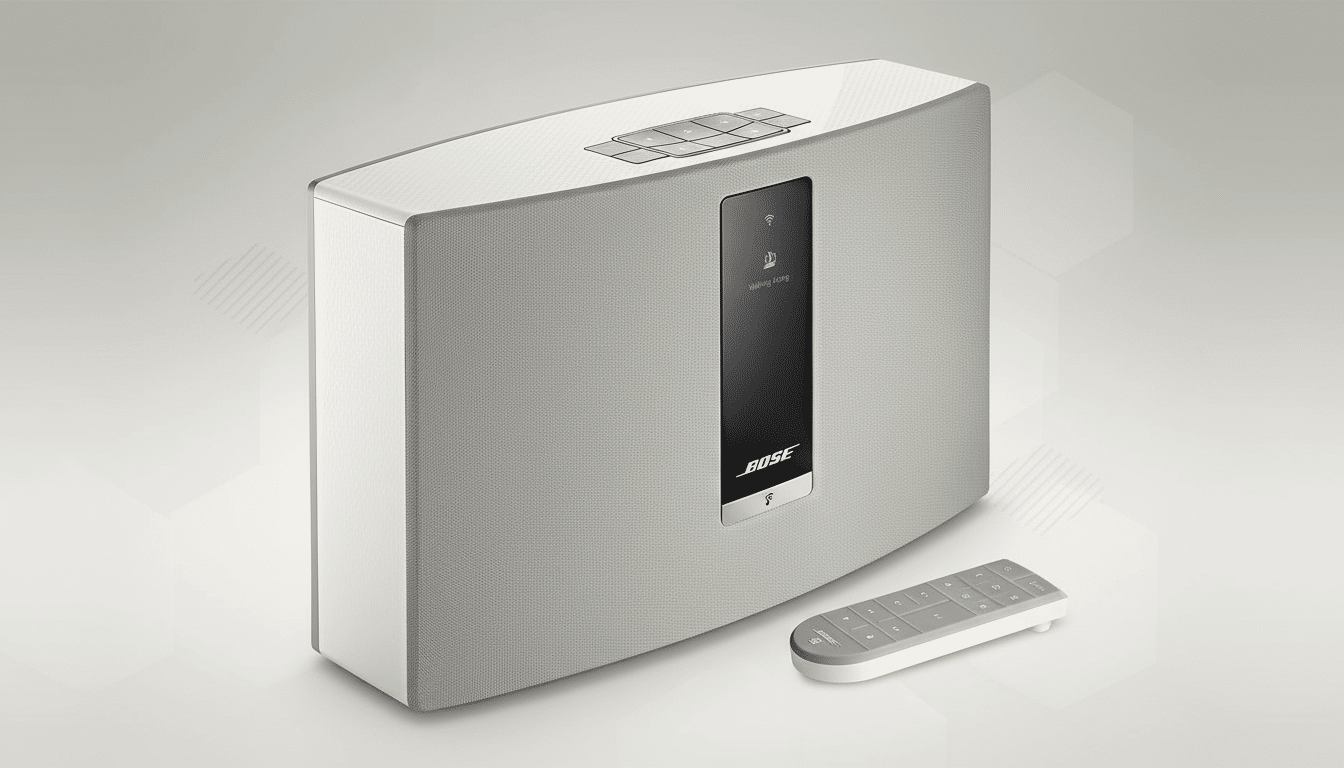
What Changes SoundTouch Owners Should Expect
After official support ends, SoundTouch speakers won’t get firmware updates, and any services that require Bose’s cloud may degrade or disappear. What remains is the good news: the speakers still work over physical inputs such as Aux and HDMI on compatible models, and Bluetooth remains a reliable fallback. AirPlay and Spotify Connect will continue to function where supported, and AirPlay 2 compatibility doesn’t vanish on units that already have it.
Bose says a pared-back version of the SoundTouch app will persist, offering basic controls to keep day-to-day listening straightforward. It’s also a smart time to find and keep the physical remote; if app support shrinks further, the handheld controller becomes your best friend. For pairing, some models enter Bluetooth mode via the app, while others such as Series III include a dedicated Bluetooth button for quick connections.
If you want more modern streaming features, a compact streaming amplifier can breathe new life into the setup. Devices like the WiiM Amp Ultra, or similar network streamers, can handle contemporary services and codecs and pass audio through to the SoundTouch hardware you already own.
The Open-Source Lifeline for Bose SoundTouch
By open-sourcing the SoundTouch API, Bose is handing developers the keys to build and maintain control apps, automation plug-ins, and integrations that don’t depend on Bose’s own software cadence. Expect to see community tools emerge that run on local networks, potentially restoring conveniences like multiroom coordination, preset management, or smarter home-automation triggers—without relying on a cloud that may be sunset.
Enthusiasts in communities such as Reddit’s r/audio and smart home platforms have long built unofficial controls for legacy gear. With an officially open API, those projects can be more robust and user-friendly. This is the sort of infrastructure that makes it easier for platforms like Home Assistant or Node-RED to offer click-and-go integrations rather than fragile workarounds.
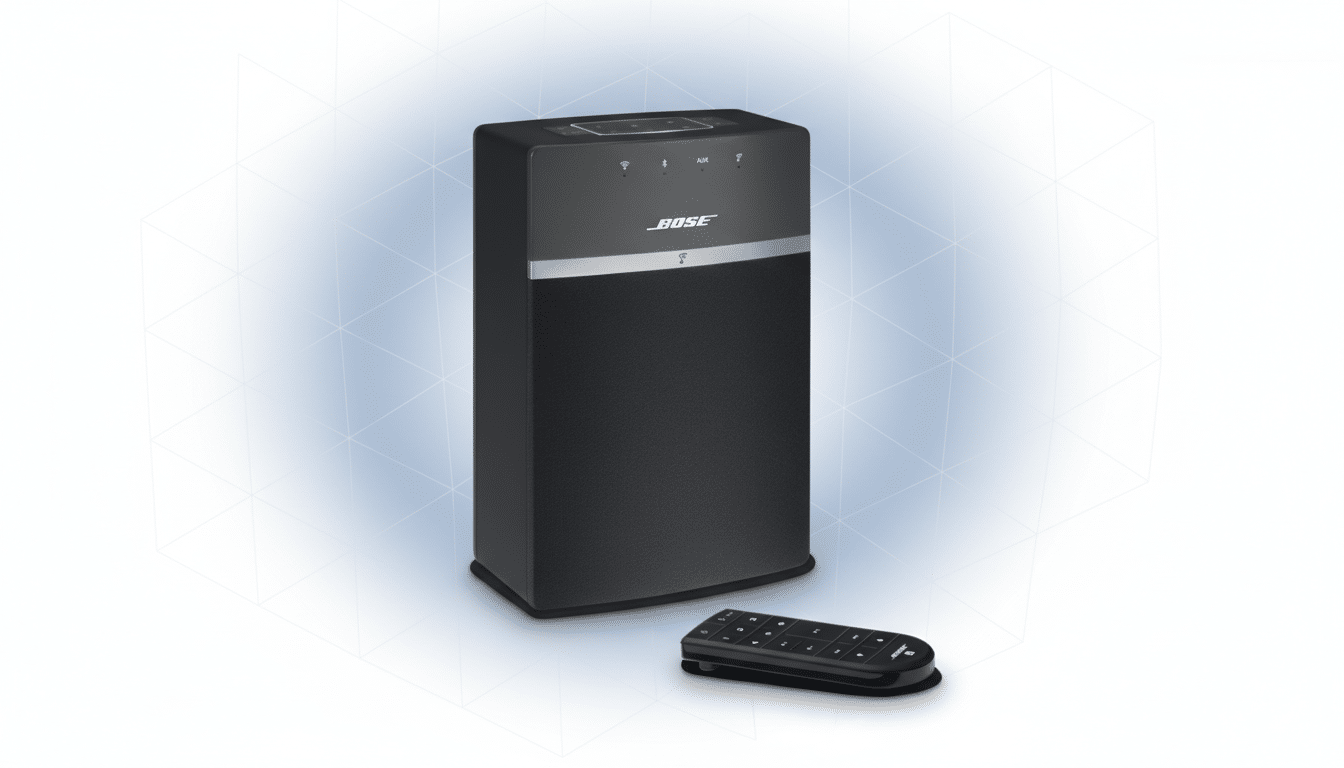
There are caveats. Open APIs don’t magically replace firmware fixes, nor can developers resurrect third-party music services if licensing or cloud dependencies are gone. Owners should keep their speakers on trusted home networks and practice basic router hygiene, since security updates for the speaker itself will no longer land.
Why the Strategy Matters for Long-Lived Speakers
In consumer audio, end-of-life announcements are increasingly common, and they often trigger backlash when products lose key functions overnight. Bose’s approach—offering an open API as the platform sunsets—helps respect customers’ investment and reduces waste. The United Nations’ Global E-waste Monitor reports that the world generated about 62 million metric tons of e-waste in the most recent assessment, with only a fraction properly recycled. Extending usefulness through open interfaces is one pragmatic way to slow that growth.
It also sets a precedent. When companies communicate clear timelines and provide tools for continuity, customers feel less trapped in disposable ecosystems. In practice, the SoundTouch line has met its originally signaled lifespan, and the API handoff gives the community a chance to carry the torch rather than watch functional speakers become obsolete by software decree.
What SoundTouch Owners Should Do and Check Now
Make sure your speakers are on the latest firmware while updates are still available, then verify your fallback paths: test Bluetooth, confirm Aux or HDMI works on your setup, and validate AirPlay or Spotify Connect on the devices that support them. Keep the remote handy, and consider a streaming amp if you want richer, platform-agnostic streaming without replacing your speakers.
Finally, watch for announcements from recognized open-source communities and developers. Early projects often start simple—volume and transport controls, preset switching—and evolve quickly once more users get involved. With the SoundTouch API now out in the open, the speakers many households already love have a real shot at long-term relevance.
Bottom Line: What This Means for SoundTouch Owners
SoundTouch support is ending, but the platform isn’t dead. Bose’s decision to open the API gives the ecosystem a second act, preserves owner value, and offers a model for how connected audio products can age gracefully. If the developer community shows up—as it often does—these speakers could keep playing well beyond their official end-of-life.
