


Bose not only is putting on hold its plan to terminate cloud services for SoundTouch wireless speakers, but also is open-sourcing the related platform underpinning it — a move that buys time for owners and encourages developers to help retain value in legacy systems.
According to the company, it will move SoundTouch into a local-only mode at that cutoff, and this update also happens automatically — no action necessary on your part.
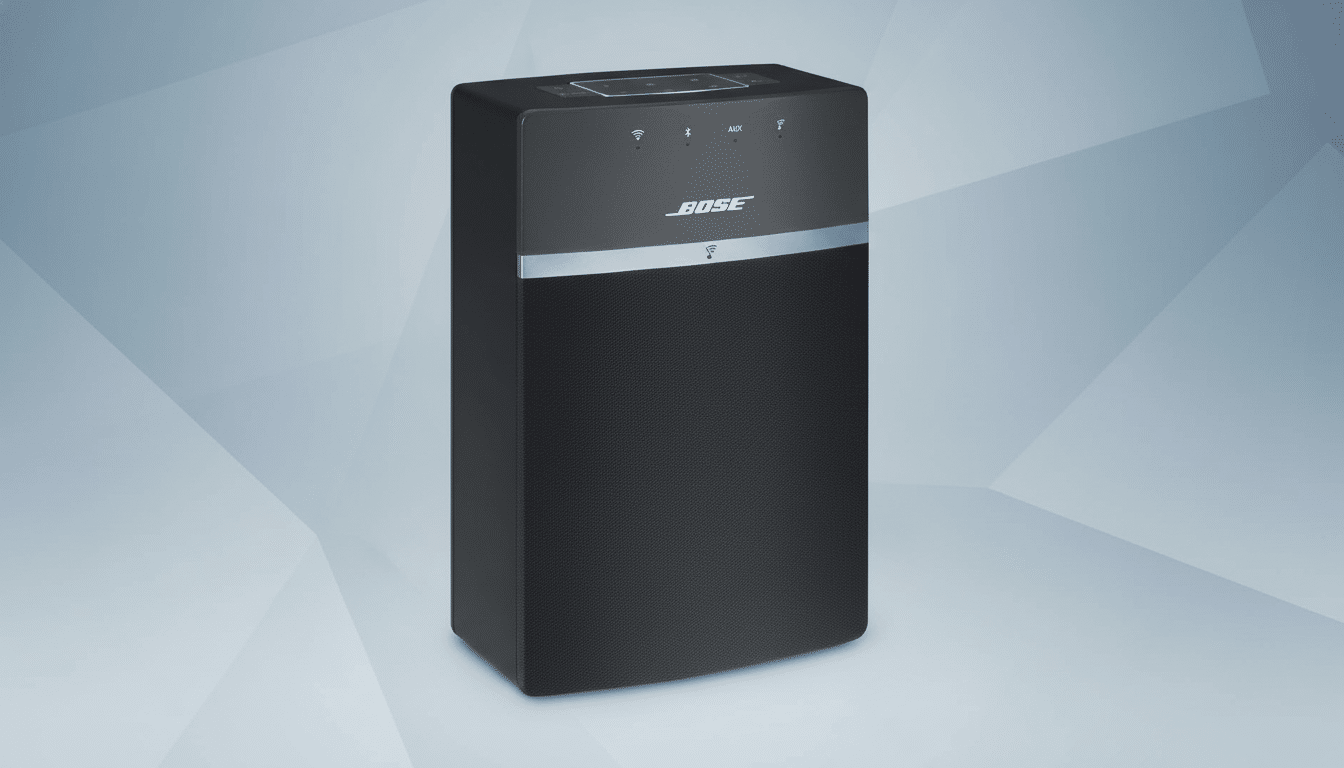
Bose said that there had been a flood of customer requests and promised to maintain the core listening functionalities after the demise of the cloud infrastructure. At the same time, it’s releasing documentation so other developers can create tools and integrations designed to work with SoundTouch going forward.
What’s Different for SoundTouch Users After the Change
After the transition, SoundTouch systems will still work with Bluetooth, Apple AirPlay, Spotify Connect, and AUX for streaming via phone, tablet, or computer. The app will continue to do the setup and configuration, as well as grouping multiple speakers together and basic remote control features like volume and input choices.
What disappears are the cloud-based features: service browsing in the SoundTouch app and one-touch presets on speakers and in the app. Those shortcuts depend on Bose’s back-end services, which are being shut down.
And that’s not all: Security and software updates for SoundTouch will also be discontinued. Bose suggests owners leave systems on secure, private networks — a common-sense step for any unpatched device calling home over Wi-Fi. If your router has this feature, a guest or IoT VLAN avoids exposure without forgoing convenience.
Bose’s Open-Source Pivot and What It Enables for Users
Open-sourcing is a remarkable change for Bose, which once zealously guarded its software stack. The fresh documentation will enable hobbyists and third-party developers to create companion apps and restore some of the quality-of-life features it once offered, as well as integrate SoundTouch into home automation platforms.
Naturally, you can expect interest from other communities around projects like Home Assistant, where contributors are constantly reverse-engineering vendor features through LAN APIs and bridges. With records of protocols and behavior at hand, developers can build tools that sidestep the fragility of cloud dependencies, potentially future-proofing SoundTouch gear long after official support ends.
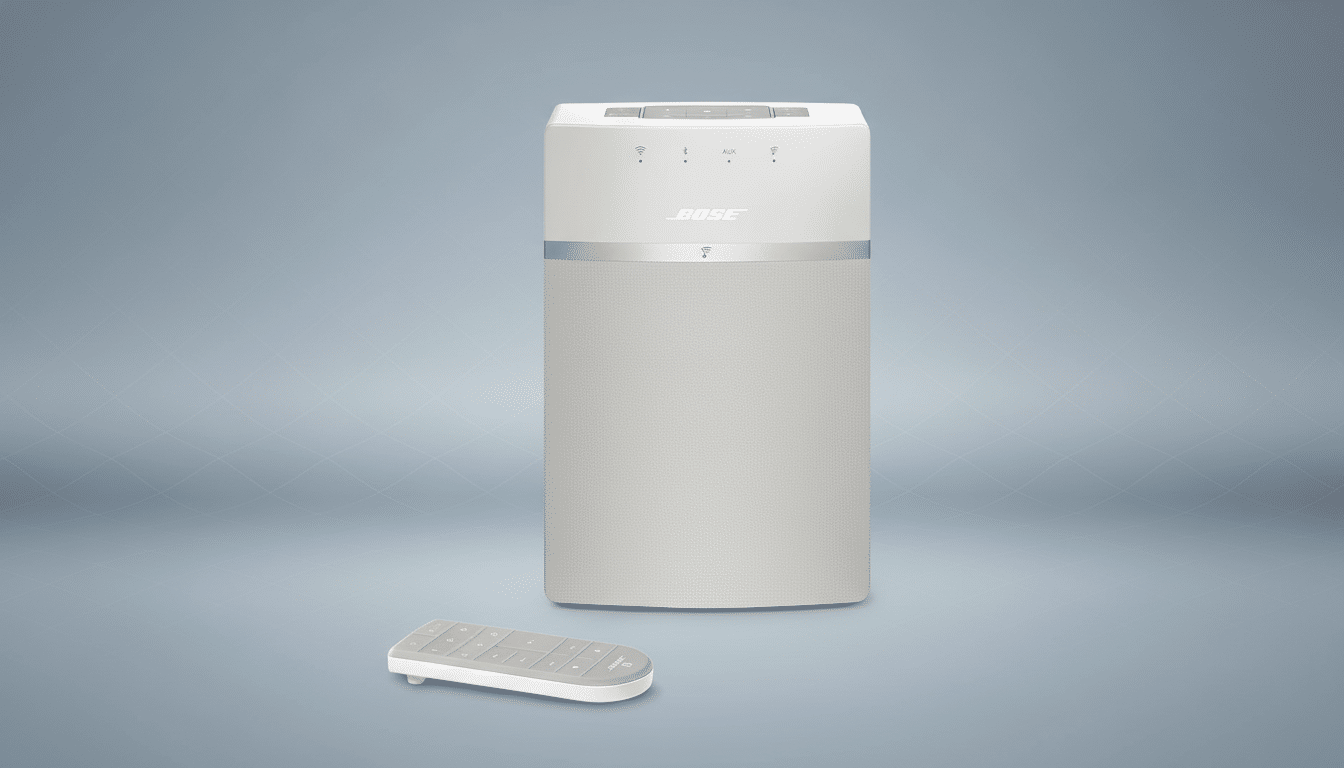
There are limitations: we’re not talking about new firmware for the speakers themselves, so any enhanced functionality is likely going to live in apps or drivers and middleware that speak to things on the local network. But for ordinary listening (streaming over Bluetooth or AirPlay, grouping rooms and control inputs), the local-first model is a robust way to go.
Why Bose Reversed Course on SoundTouch Cloud Plans
The response from owners was both swift and loud. Multi-room speakers are often considered big investments, and users feared that after cloud features ended, they would be left with expensive speakers losing what had become some of their signature functionality. Some kept asking for Bose to reconsider and offer some form of an extension.
According to Ars Technica, eligible customers can receive Bose credit of up to $200 — apparently a concession on Bose’s part that some features are indeed going away even as core playback persists. Together with the delay and open-source release, the credits make for a friendlier sort of off-ramp for an aging platform.
More broadly, the episode underscores a tension that many of us in connected audio and smart-home ecosystems are feeling: when cloud services define your experience, decisions to end those services can leave you high and dry along with all of your well-intentioned purchasing history. In switching to a local-first app and open development, Bose is signaling that longevity in this case means shedding dependencies vendors can’t or won’t support in perpetuity.
How to Prepare Your SoundTouch System for the Cutover
Check to make sure your speakers and the SoundTouch app are on the newest available version now, before updates cease. Try Bluetooth, AirPlay, Spotify Connect, and the AUX input on the sources you use most to verify fallback paths. If you depend on presets for morning routines or party playlists, replicate those flows with playlists and favorites in your music apps, queuing them up to play via AirPlay or Spotify Connect.
You can quarantine vintage speakers on a different Wi-Fi network or block incoming connections that aren’t needed through your router. Keep serial numbers handy if you opt to pursue credits, and keep an eye on Bose’s support channels as well as its developer forums for community-built tools that add back in some conveniences the official app will lose.
The delay, along with the open-source blueprint, won’t save every SoundTouch convenience — but it shifts the overall approach from planned obsolescence to managed continuity. For a platform first introduced years ago, that’s a sensible compromise and one that puts the power back in owners’ hands.
