


BMW’s next iX3 will launch with Amazon’s Alexa+ as its built-in voice assistant, representing the first time Amazon has shipped a production vehicle with its generative AI platform integrated directly into the vehicle.
Announced at CES in Las Vegas, the move takes in-car voice control out of simply responding to predefined commands and into conversational help that can plan, reason, and take action across services without drivers having to jump around between apps.
- What Alexa+ Brings To Your Cabin In The New BMW iX3
- BMW’s Strategy and Amazon’s LLM Stack for the iX3
- What This Means for Drivers Using the Next BMW iX3
- Privacy and Reliability Questions for Alexa+ in iX3
- How It Stacks Up Against Other In-Car Voice Assistants
- The Road Ahead for Alexa+ and BMW’s Next iX3 Launch
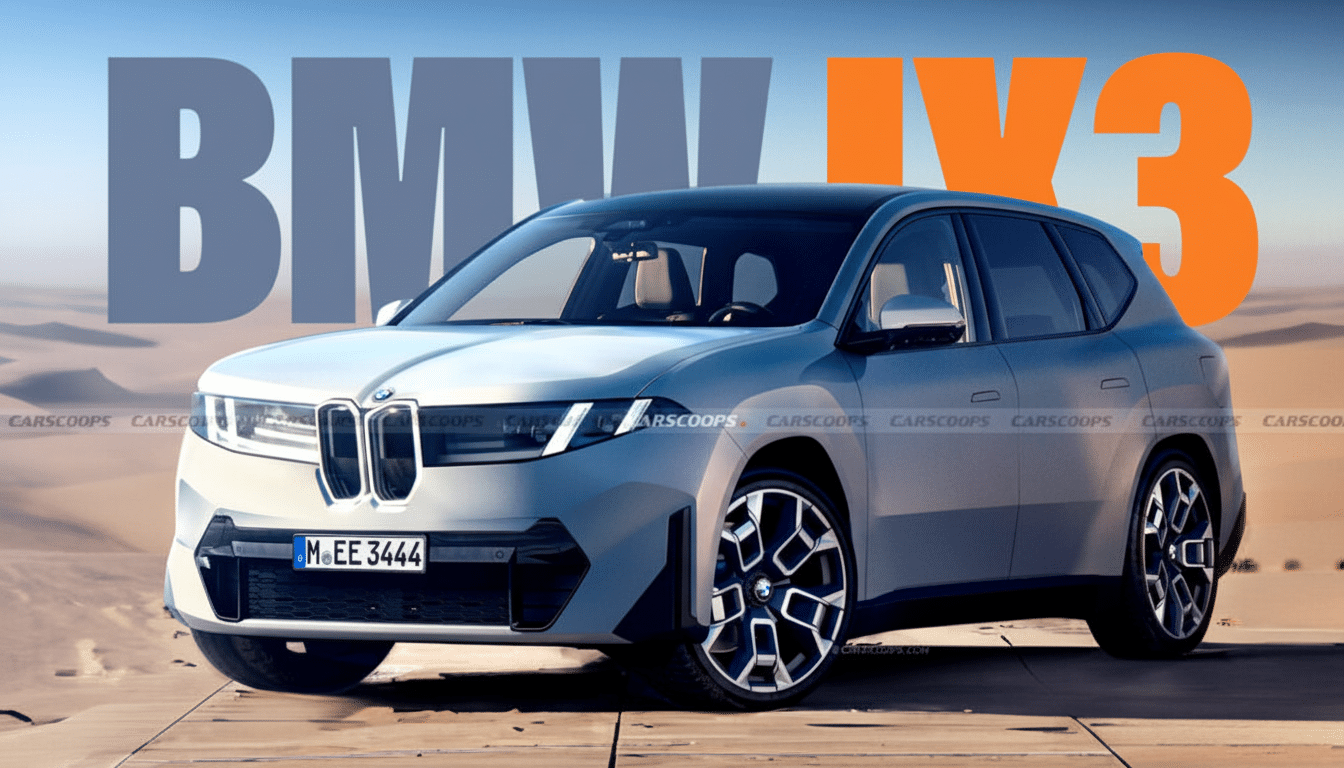
What Alexa+ Brings To Your Cabin In The New BMW iX3
Alexa+ leverages large language models to parse natural speech, retain context, and execute multi-step tasks. Tell it to “take me home the fastest way, play my driving playlist, and warm the cabin,” at once, and it should theoretically stitch together directions plus media plus climate adjustments in one stride. Because Alexa+ already operates on hundreds of millions of devices, Amazon says conversations can hand off from a living room Echo to the iX3 without hiccup—just grab that route or shopping list first established in your car before exiting.
What that means in practice is fewer commands and more plain language. Rather than digging into menus, drivers can inquire about an open DC fast charger along the route, ask for a coffee stop within walking distance of parking, or see whether the garage door closed after departing home. The assistant is meant to “reason” through such chains and double-check actions before they actually get executed, cutting back on tap-heavy interactions that lead to distractions.
BMW’s Strategy and Amazon’s LLM Stack for the iX3
BMW laid the groundwork for this direction in 2022 when it announced that it tapped Amazon’s Alexa Custom Assistant to power its next-generation voice assistant. But unlike just dropping in Alexa, BMW is harnessing Amazon’s platform to create a personality specific to its brand that will speak the design language of BMW as well as interface with Alexa and what it can do. They include binding BMW’s vehicle functions — charging, HVAC, driver profiles — to natural-language intents.
Technically speaking, Alexa+ has been developed with Amazon Bedrock, an AWS offering that orchestrates generative models and allows customers to inject these with proprietary forms of data. For automotive specifically, it means BMW can bring in its own contextual knowledge (like which Alexa features are available by market, the capabilities of the car, context related to service network details) and combine them with Alexa’s domains. In theory, tight integration is the goal: When a driver tells the iX3 it’s “cold,” the answer isn’t only to turn up the temperature but also to layer in seat heating and steering wheel warmth, along with driving scenarios likely to maximize efficiency or minimize range on a chilly winter day.
What This Means for Drivers Using the Next BMW iX3
In-car voice systems have been a pain point for owners for some time. Voice recognition regularly appears in studies on tech complaints from firms like J.D. Power, and it usually gets dinged for its spotty grasp of what the hell you’re asking for and the limited range of commands. Generative models are a reset button: they expand what the assistant can know; there’s no need to memorize wording; and they maintain context across turns in a conversation.
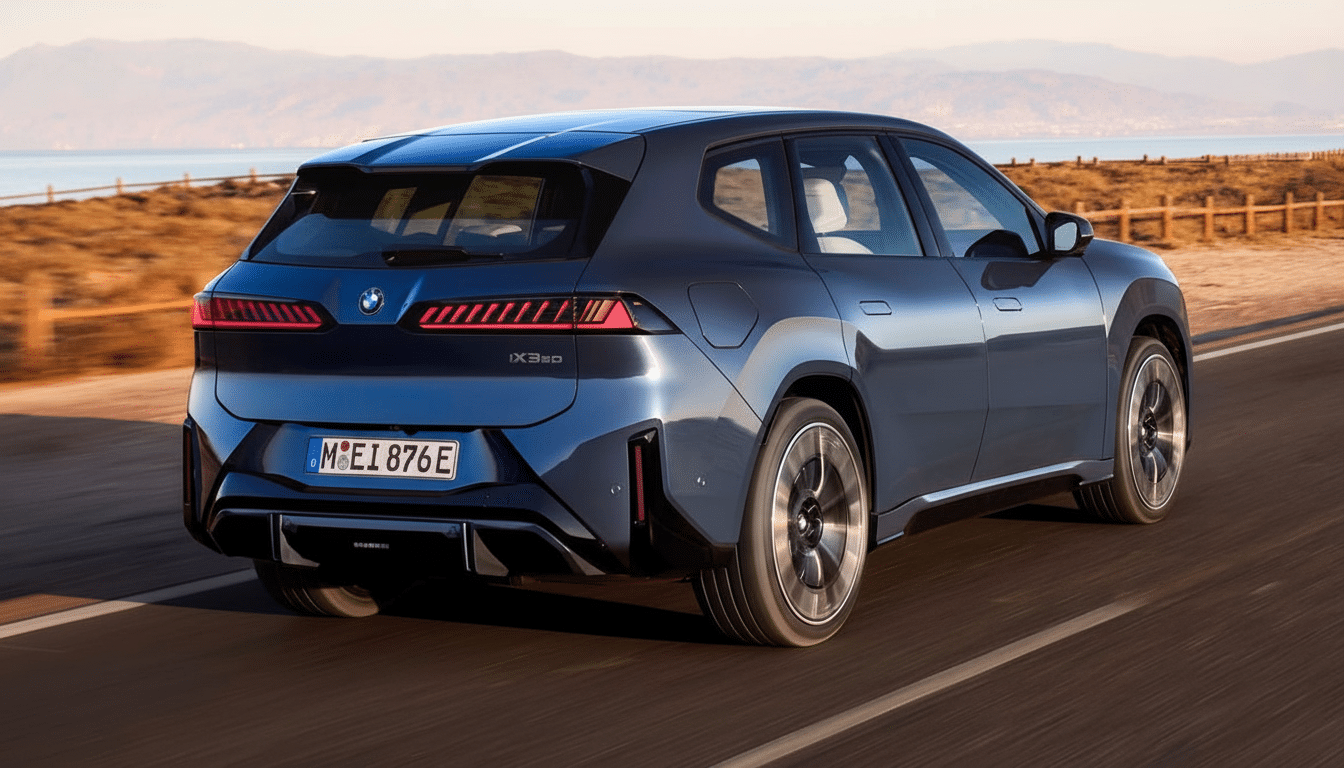
EVs offer the greater payoff, though. Charging questions are complex — availability, charger speed, payment networks, amenities nearby — and conditions change minute to minute. A system that makes leaps of reasoning and replanning without requiring the user to do some app-hopping isn’t just convenient — it can reduce anxiety following unfamiliar paths and optimize time on the road or at home charging your battery.
Privacy and Reliability Questions for Alexa+ in iX3
Going from simple commands to conversational AI raises immediate questions: where does the voice data go, how long is it stored, and what is running on the car versus in the cloud? Amazon has long provided controls that allow customers to review and delete voice recordings, while automakers are increasingly designing to automotive cybersecurity standards like ISO/SAE 21434 and UNECE WP.29. Look for BMW to share recording settings, wake-word sensitivity, and on-device processing information for low-latency actions closer to launch.
Reliability will depend on cabin acoustics, microphone arrays, and multilingual support. Cars are primed against speech systems — wind noise, music, passengers talking all at once — so far-field pickup and speaker diarization matter. A good benchmark will be if iX3’s assistant remembers what you were doing whenever a distraction occurs — playing music stops for a flurry of phone calls, then picks up the thread again as navigation decisions get ready to make a reappearance.
How It Stacks Up Against Other In-Car Voice Assistants
The competition is moving rapidly. Mercedes-Benz is introducing its MB system — very little else to go on. GM’s assistant is built using generative AI techniques, and Google Assistant handles this for embedded voice. Ford does Alexa Built-in too, with its own controls added on top. Many OEM-branded assistants are still powered under the hood by Cerence. The iX3’s real significance is that it ships with Alexa+, not a legacy voice engine — raising the bar for seamless, multi-device continuity and multi-domain tasking.
Commercial details bear watching. Car manufacturers are more and more gating premium connectivity behind subscriptions, around generative AI workload costs rather than running a legacy voice stack. So, BMW’s strategy for feature tiers, offline fallback, regional language rollout, and, of course, third-party skills will determine if Alexa+ in the iX3 is a headline feature or a utility you end up using on a daily basis.
The Road Ahead for Alexa+ and BMW’s Next iX3 Launch
Alexa+ already has more than 600 million devices, but the car is a harsher testing ground than the kitchen counter. If BMW and Amazon fit the bill on providing conversational reliability and a deep level of vehicle integration, the iX3 could be a turning point for in-car voice — a bit less command-and-control, a little more get-it-done. With over-the-air updates being a real thing now, this assistant should only get better with time, not age in place — that, after all, is the new normal for drivers who are used to driving software-defined cars.
