


I walked into my meeting with the Bluetooth Special Interest Group expecting a roadmap briefing. I walked out rethinking how the entire ecosystem works. The big revelation wasn’t a single headline feature. It was this: in Bluetooth, version numbers are not promises; they’re possibilities. What actually ships depends on manufacturers—and that changes how consumers, IT teams, and product designers should read spec sheets.
What Bluetooth Really Means For Users And Devices In 2026
Bluetooth’s core specification has moved forward with capabilities like Shorter Connection Intervals for ultra-low-latency peripherals and Channel Sounding Resilience for stronger security in proximity-sensitive products. On paper, it looks like a generational leap. In reality, the spec is a toolbox. Hardware makers decide which tools to pick up.
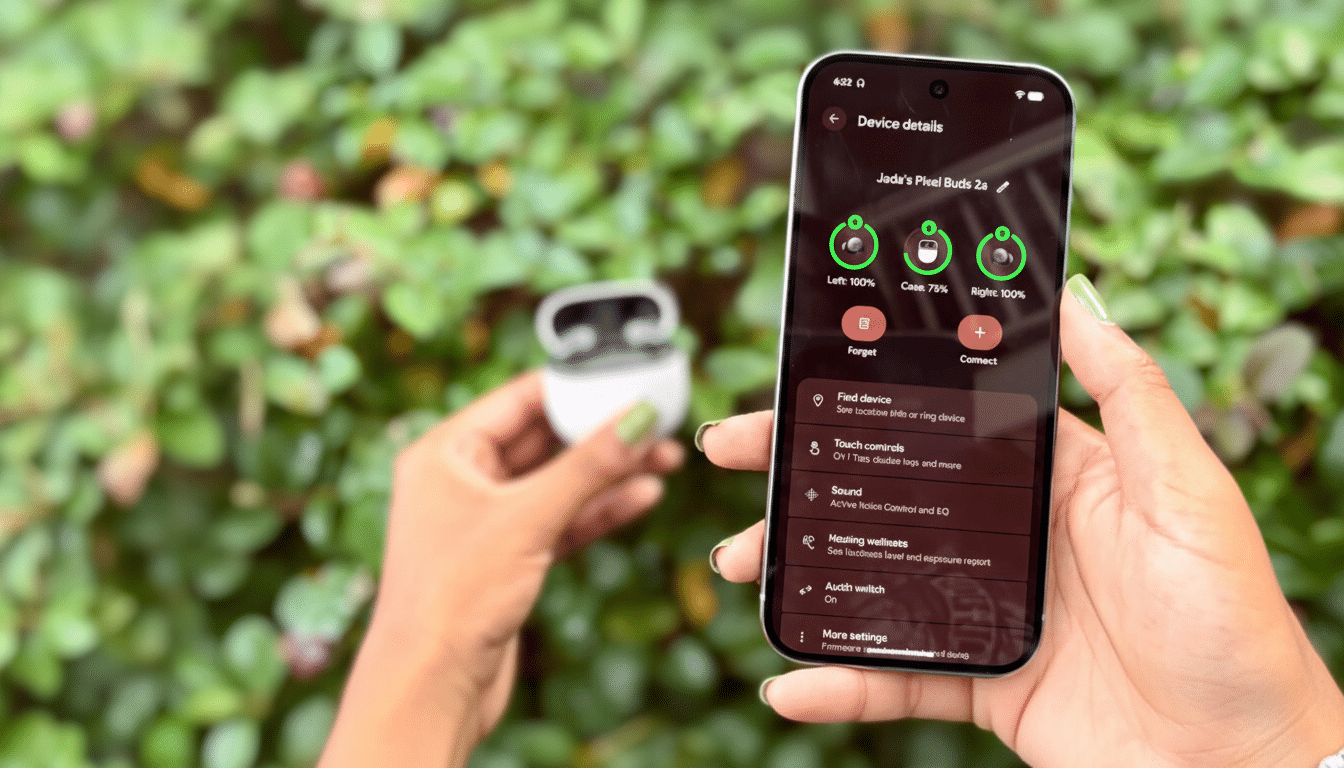
That choice is driven by power budgets, bill-of-materials costs, software readiness, and product priorities. A headset might ship with the latest Bluetooth version but omit new latency features to preserve battery life. A smart lock might embrace secure ranging and skip advanced audio. Certification ensures interoperability, not universal feature adoption.
Scale amplifies this dynamic. The Bluetooth SIG’s Market Update has consistently counted more than 5 billion device shipments annually and an installed base in the tens of billions. With so many categories and constraints, heterogeneity is the rule. The upshot: don’t over-index on the version number stamped on the box. Look for the specific features you care about.
Channel Sounding Beyond The Buzzword And Hype
Channel Sounding was the most misunderstood topic in the room. It measures time-of-flight across multiple frequencies to estimate distance, enabling better device discovery, secure proximity checks, and resistance to relay attacks. It is not a replacement for ultra-wideband, but it narrows the gap and pairs well with it.
On the show floor, that complementarity was on display. Motorola’s Moto Tag 2 combined Channel Sounding for faster discovery and secure handshakes with UWB for pinpoint ranging, producing a tracker that is tougher to spoof and easier to find. In a different category, the Bauer Products NE-CS smart RV lock used Channel Sounding to unlock only when an authorized phone was truly nearby, demonstrated with a device supporting the newest Bluetooth capabilities.
Could Channel Sounding power a universal Find My ecosystem? Not overnight. While the tech is mature, deploying it at scale requires new firmware, tuned antennas, and privacy-first network design. Expect near-term wins in trackers, locks, and enterprise asset monitoring before fully ambient consumer networks arrive.
Auracast Starts To Feel Real In Everyday Listening
If Channel Sounding reframes location, Auracast reimagines listening. It turns a phone, TV, kiosk, or PA system into a Bluetooth broadcast that any compatible earbuds, headphones, or hearing aids can join. The promise is simple: public and shared audio without brand lock-in.
The most practical progress is happening in two places. First, smartphones: several Android devices now act as Auracast transmitters or assistants, relaying streams between sources and receivers. Second, hearables: many recent earbuds, headphones, and hearing aids already have the radio and codec support required, with vendors enabling Auracast through software updates on a rolling basis.
Real-world applications are multiplying—silent TVs in sports bars, private listening zones in airports and transit hubs, shared streams for fitness classes, and inclusive assistive listening in classrooms and auditoriums. The World Health Organization estimates over a billion people live with some degree of hearing loss, and Auracast aligns directly with accessibility guidelines that call for low-friction assistive audio in public spaces.
How To Shop Smarter For Bluetooth Devices And Features
Ignore the temptation to chase the highest Bluetooth version. Instead, match needs to features. For audio, look for explicit Auracast support and LC3 codec options. For gaming and creators, seek Shorter Connection Intervals or claims of ultra-low-latency HID performance, and confirm profiles with the manufacturer. For locks and trackers, ask for Channel Sounding, secure proximity, and relay-attack resistance in the spec sheet.
Also watch the firmware story. Many products ship with latent capabilities that arrive later through updates. A public update roadmap, clear labeling, and certifications from the Bluetooth SIG or hearing health bodies are green flags that the device will improve over time.
The Bottom Line On Bluetooth’s Near-Term Future
The conversation that changed my perspective wasn’t hype—it was humility. Bluetooth isn’t a monolith; it’s an ecosystem of choices. Progress should be measured not by version numbers, but by which features make it into shipping products and how well they’re implemented. CES showed me that Channel Sounding is moving from lab demos to reliable security and discovery, and that Auracast is finally escaping the slide deck and reaching ears. The future of Bluetooth looks less like a single leap and more like a steady cadence of meaningful, user-visible wins.
