


I spent months wearing the newest bands and smartwatches side by side, logging runs, swims, strength sessions, and plenty of sleep to find the best fitness trackers of 2026. The winners below stood out for sensor accuracy, training tools, battery life, and day‑to‑day usability. It’s a booming category—wearable tech continues to rank near the top of the American College of Sports Medicine’s annual fitness trends, and industry analysts report steady growth driven by health metrics and AI coaching—so picking right matters.
How I Tested Every Tracker For Accuracy And Usability
I wore each device for at least a full week in mixed training blocks, usually paired with a Polar H10 chest strap for heart-rate validation and a calibrated footpod for pacing. I compared GPS traces against measured routes and multi-GNSS handhelds, and I cross‑checked sleep and recovery trends with a dedicated sleep tracker. I prioritize accuracy and value over spec-sheet flash, and I consider platform fit—because the best tracker is the one you’ll actually wear and that plays nicely with your phone and apps.
- How I Tested Every Tracker For Accuracy And Usability
- Best Overall Fitness Tracker For Most People
- Best Fitness Smartwatch With Strong Battery Life
- Best Android Fitness Smartwatch For Serious Training
- Best Fitness Tracker For iPhone Users In 2026
- Best Fitness Tracker For Samsung Phones
- Best Budget Fitness Band With Long Battery Life
- Best For Dedicated Runners Seeking Pro-Level Metrics
- Best Luxury Adventure Watch With True Dive Features
- Buying Advice That Actually Helps You Choose Wisely
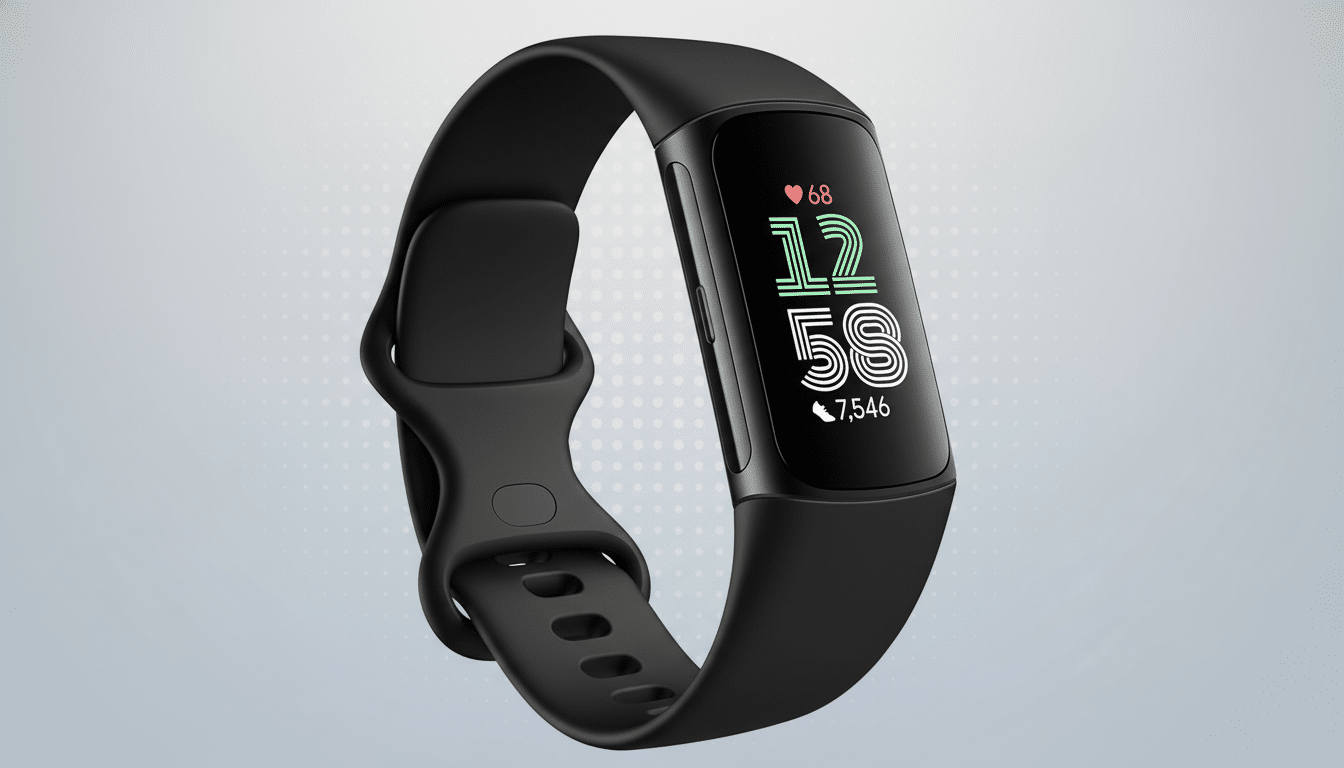
Best Overall Fitness Tracker For Most People
Fitbit Charge 6 nails the band‑style sweet spot: comfortable enough for 24/7 wear, packed with meaningful metrics, and refreshingly simple to use. The return of a physical button makes mid‑workout navigation painless, while ECG, EDA, skin temperature, SpO₂, and reliable sleep tracking cover health basics thoroughly. Heart‑rate accuracy is improved over prior generations thanks to smarter algorithms. Built‑in GPS can still wobble in dense urban canyons, but if precise routes aren’t your priority, the Charge 6’s mix of insights, Google Wallet/Maps support, and cross‑platform compatibility make it the best everyday pick.
Best Fitness Smartwatch With Strong Battery Life
Garmin Venu 4 blends Garmin’s training depth with true smartwatch polish. A bright AMOLED, metal chassis, dual‑band GNSS, and the Elevate V5 sensor underpin excellent accuracy. Tools like Body Battery, Recovery Time, Sleep Alignment, and improved strength tracking add guidance you’ll actually use. Battery life comfortably stretches beyond a workweek in my testing, and essentials like calls, payments, and safety features are on board. It still lacks full mapping and LTE, but for most athletes, it’s the most balanced fitness‑first smartwatch you can buy.
Best Android Fitness Smartwatch For Serious Training
Google Pixel Watch 4 is the most complete Wear OS watch for training. Its minimalist design now comes in two sizes, the display is brighter with thinner bezels, and the heart‑rate sensor is superb—consistently tracking steady runs and intervals close to chest‑strap benchmarks in my sessions. GPS is reliable, swim tracking is finally here, and a Gemini‑powered workout coach adds context without being chatty. Deep Fitbit integration remains a strength for sleep and recovery. It’s Android‑only and some features sit behind Premium, but as a fitness smartwatch, it’s a standout.
Best Fitness Tracker For iPhone Users In 2026
Apple Watch Series 11 refines what already worked and finally delivers a realistic 24‑hour battery claim for mixed use. The updated Workout app surfaces more customizable metrics, GPS remains excellent, and sensor accuracy for heart rate, VO₂ max estimates, temperature, and SpO₂ is consistently strong. New hypertension notifications and UI tweaks make health insights easier to act on. If you’re in the iPhone ecosystem and don’t need Ultra‑level ruggedness, this is the most capable fitness‑forward option.
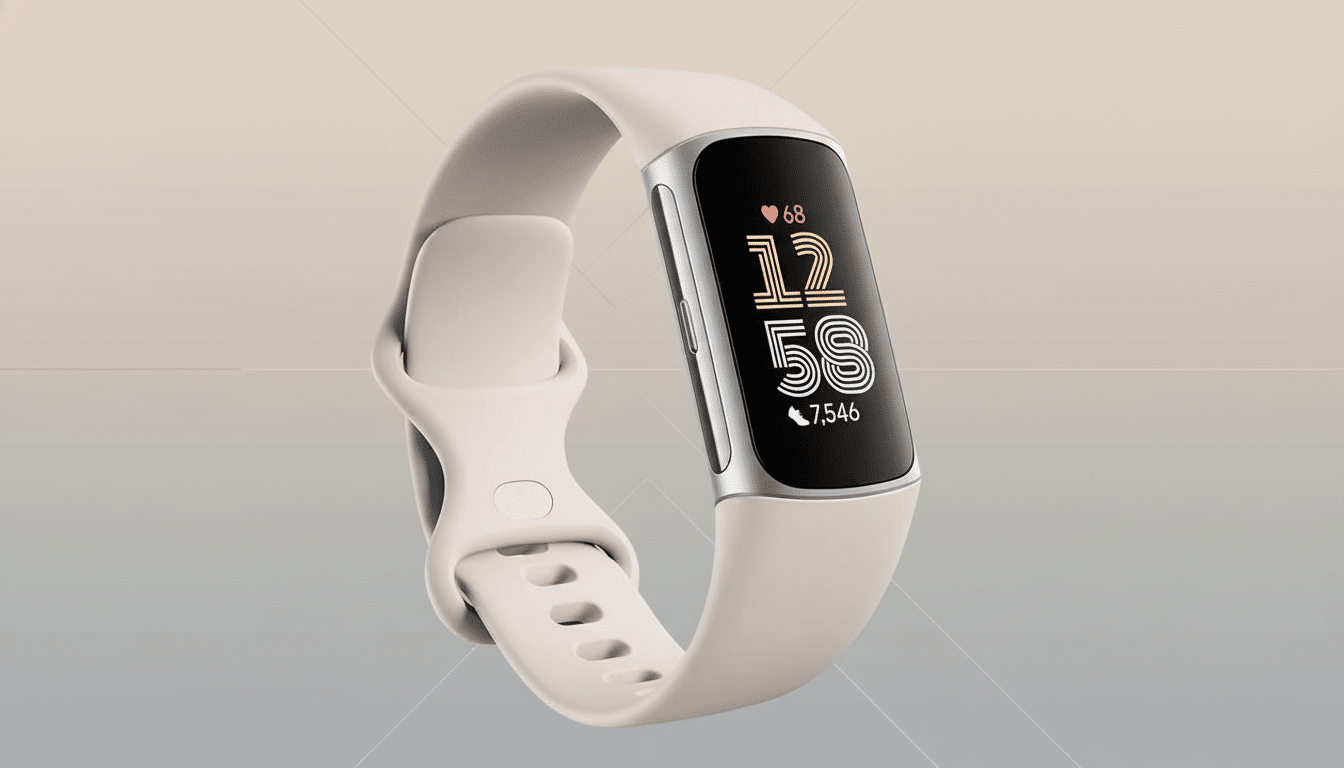
Best Fitness Tracker For Samsung Phones
Samsung Galaxy Watch 8 pairs slick hardware with a cohesive Samsung Health experience. In testing, heart rate, automatic workout detection, and sleep staging were reliably consistent, and updated temperature tracking adds useful recovery context. Battery life is a solid full day with workouts and overnight tracking. The watch feels at its best with a Galaxy phone thanks to tighter integration and exclusive features. If you want a comfortable all‑rounder that fits seamlessly into Samsung’s ecosystem, this is it.
Best Budget Fitness Band With Long Battery Life
Xiaomi Smart Band 10 delivers an outsized feature set for a tiny price. The larger 1.72‑inch AMOLED is bright and crisp, and you get 150+ sport modes, VO₂ max estimates, training load, recovery time, swim tracking, and even heart‑rate broadcasting to gym gear. There’s no onboard GPS and HR accuracy depends on fit, but battery life is terrific—multi‑week endurance is achievable with always‑on display disabled. For under‑$50 tracking, nothing else is this complete.
Best For Dedicated Runners Seeking Pro-Level Metrics
Garmin Forerunner 970 is a runner’s toolbox with a premium feel. Dual‑band multi‑GNSS provides confident positioning on twisty trails and in cities, while the Elevate Gen 5 sensor kept pace with a chest strap during intervals in my workouts. You get adaptive training, thorough running dynamics, and full‑color maps for turn‑by‑turn guidance. A built‑in LED flashlight, mic, and speaker round out everyday convenience. The price is high, but so is the ceiling for performance insights.
Best Luxury Adventure Watch With True Dive Features
Huawei Watch Ultimate 2 looks and feels like a premium dive watch, with a zirconium‑based case, ceramic bezel, sapphire glass, and a huge, bright display. Dual‑band GNSS and offline maps handled backcountry routes well in testing, and the dedicated diving suite—with 150m water resistance and sonar‑based underwater communication—is uniquely ambitious. The X‑Tap sensor enables quick checks for ECG, SpO₂, heart rate, and HRV in seconds. Regional limitations for payments and apps still apply, but as a statement fitness tool, it’s exceptional.
Buying Advice That Actually Helps You Choose Wisely
Start with platform and form factor: a band like Charge 6 disappears on the wrist, while watches such as Venu 4 or Series 11 give richer on‑screen data. Prioritize sensor accuracy and battery over gimmicks; academic studies from Stanford and other labs show wrist optical HR remains less reliable at high intensity and during motion, and consumer sleep staging typically aligns with polysomnography about 70–80%. Dual‑band GPS improves tracking in tough environments, and maps matter if you explore. Finally, weigh subscription costs—great insights only help if you keep using them.
