


The Android music scene in 2026 is a tale of two trends. Streaming dominates global revenue according to the IFPI, yet offline playback remains essential for commuters, travelers, and audiophiles who insist on full control. With Bluetooth LE Audio maturing, aptX Lossless and LDAC common on mid-range phones, and Android’s improved USB audio stack enabling cleaner output, the best players now blend slick design with serious signal processing and library management.
Standout picks for most listeners and daily playback needs
AIMP continues to be a local library workhorse. It handles everything from MP3 to FLAC with a clean interface, deep theming, and a robust equalizer that actually changes how headphones sound rather than just adding volume. Fans appreciate reliable gapless playback and folder browsing, and its desktop counterpart makes it easy to keep habits consistent across devices.
- Standout picks for most listeners and daily playback needs
- Audiophile-Grade Apps That Justify Their Price
- For your own cloud and home servers on Android
- Minimal and privacy-friendly players for local music
- Customization and playlists powerhouses on Android
- What to look for in a 2026 Android music player
- The bottom line on choosing Android music players
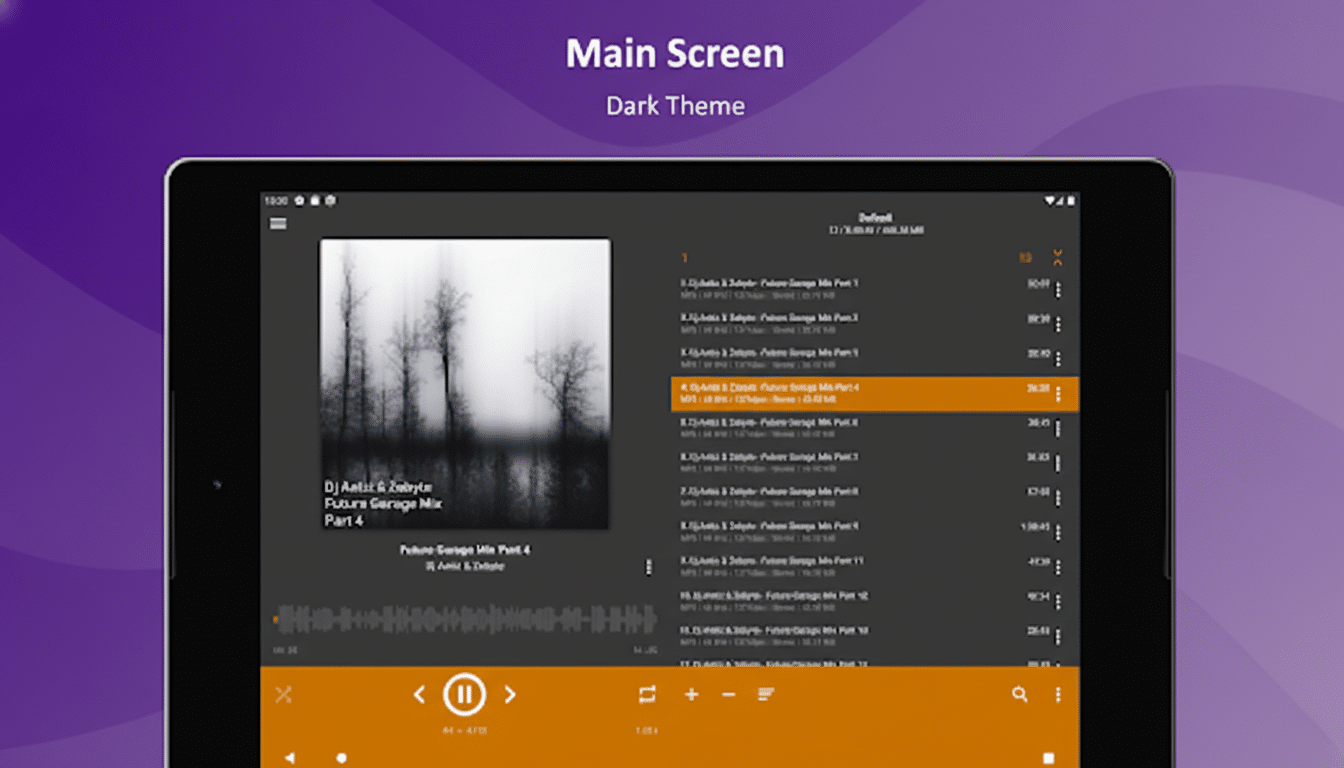
Omnia is a balanced choice if you want modern Android niceties without bloat. It supports ReplayGain, Chromecast, Android Auto, and lossless formats, all wrapped in a lightweight UI that respects battery life. The one-time upgrade is modest, and the app’s stability stands out during long drives where Auto integration matters.
Oto Music and Pulsar are the minimalist picks. Both are tiny downloads with quick library scans, tasteful Material styling, and extras like lyrics support, widgets, and true gapless playback. Oto’s five widgets and compact 7 MB footprint make it ideal for older phones, while Pulsar’s smart playlists and reliable Android Auto support make daily use effortless.
Audiophile-Grade Apps That Justify Their Price
USB Audio Player Pro is the go-to if you own a USB DAC or a phone with a high-end internal DAC. It can bypass Android’s resampler for bit-perfect output, supports formats like DSD and MQA, and includes a serious EQ and up to 32-bit/384 kHz playback when hardware allows. In real use with portable DACs from Topping and iFi, the difference is audible on resolving IEMs and over-ear cans.
Poweramp remains a favorite for shaping sound. Its fast library engine, tone and tempo controls, crossfade, and extensive skins make it endlessly tunable. If you enjoy sculpting a V-shaped EQ or dialing subtle ReplayGain for album consistency, this app’s toolset runs deeper than most. GoneMAD is a close second for power users, pairing a crisp UI with a ten-band EQ, Android Auto, and smart library rules.
For your own cloud and home servers on Android
Plexamp shines when your collection lives on a home server. It streams your FLACs anywhere with gapless playback, loudness leveling, offline caching, and tasteful visualizations. With typical home uplinks in the 20 to 50 Mbps range on cable or fiber reported by market trackers like Ookla, remote playback is smooth, and the monthly pass undercuts most music subscriptions while covering your broader media server.
Symfonium aggregates multiple backends including Plex, Emby, Jellyfin, and Subsonic into one polished app. Think of it as a universal front end with Chromecast, Android Auto, offline caching, and advanced filtering. If you self-host and refuse to maintain multiple clients, Symfonium is efficient and unexpectedly customizable.
Minimal and privacy-friendly players for local music
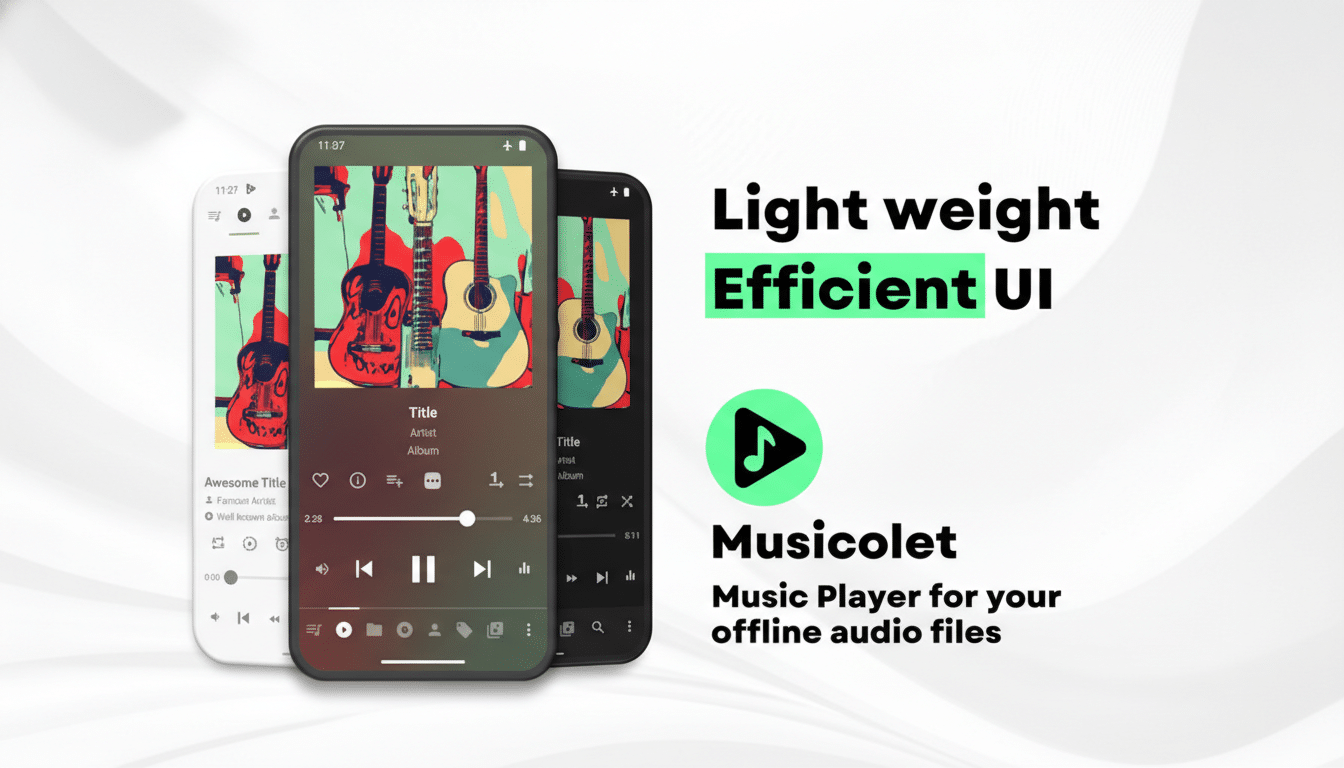
Musicolet is the champion of offline purity. No accounts, no analytics, tiny APK, and multiple queues for people who manage music like power spreadsheets. Embedded lyrics, tag editing, and folder mode make it ideal for large, carefully curated libraries that do not need cloud features.
Simple Music Player does exactly what its name promises. It plays local files without background services, supports headset controls and a sleep timer, and avoids unnecessary network permissions. For privacy-minded listeners or kids’ devices, it is refreshingly lean.
Customization and playlists powerhouses on Android
Stellio mixes clean sound with polished visuals. You get crossfade, lyric lookup with offline caching, codec breadth, and a surprisingly deep theme system that feels premium. jetAudio remains relevant for its audio effects and a rare 20-band EQ in the paid tier, though playlist management still draws mixed feedback from users.
Pi Music Player is a friendly starter app. Its smart playlists reflect listening habits, and the built-in ringtone cutter is a handy extra. It supports podcasts and audiobooks as well, which makes it a good all-in-one choice for many households.
What to look for in a 2026 Android music player
Prioritize gapless playback, ReplayGain, robust tag editing, and fast library scanning. Check for Android Auto and Chromecast if you drive or cast daily. With Bluetooth SIG pushing LE Audio and LC3, look for seamless switching between earbuds and speakers, and verify that your player respects system sample rates or offers bit-perfect USB output if you use a DAC.
Battery impact and data usage matter too. Server-based apps should offer granular offline caching and loudness normalization to keep volumes consistent. Finally, consider longevity. Active development, responsive devs on community channels, and regular Play Store updates correlate with fewer bugs and better support across Android versions, according to trends tracked by app analytics firms.
The bottom line on choosing Android music players
No single app wins for everyone. For simple offline listening, pick Musicolet, Oto Music, or Pulsar. If you want audiophile control, USB Audio Player Pro or Poweramp delivers. For self-hosted streaming, Plexamp and Symfonium are miles ahead. Try a couple for a week, listen on your actual commute and speakers, and let the best player be the one that disappears and lets your music lead.
