


CES has turned into the auto industry’s software event, and this year will only double down on that transition. You can expect to see less sheet metal and more operating systems, AI copilots, and powertrain pragmatism. Here are three of the most important car trends to watch on the floor.
Software-Defined Vehicles Are Now the Main Act
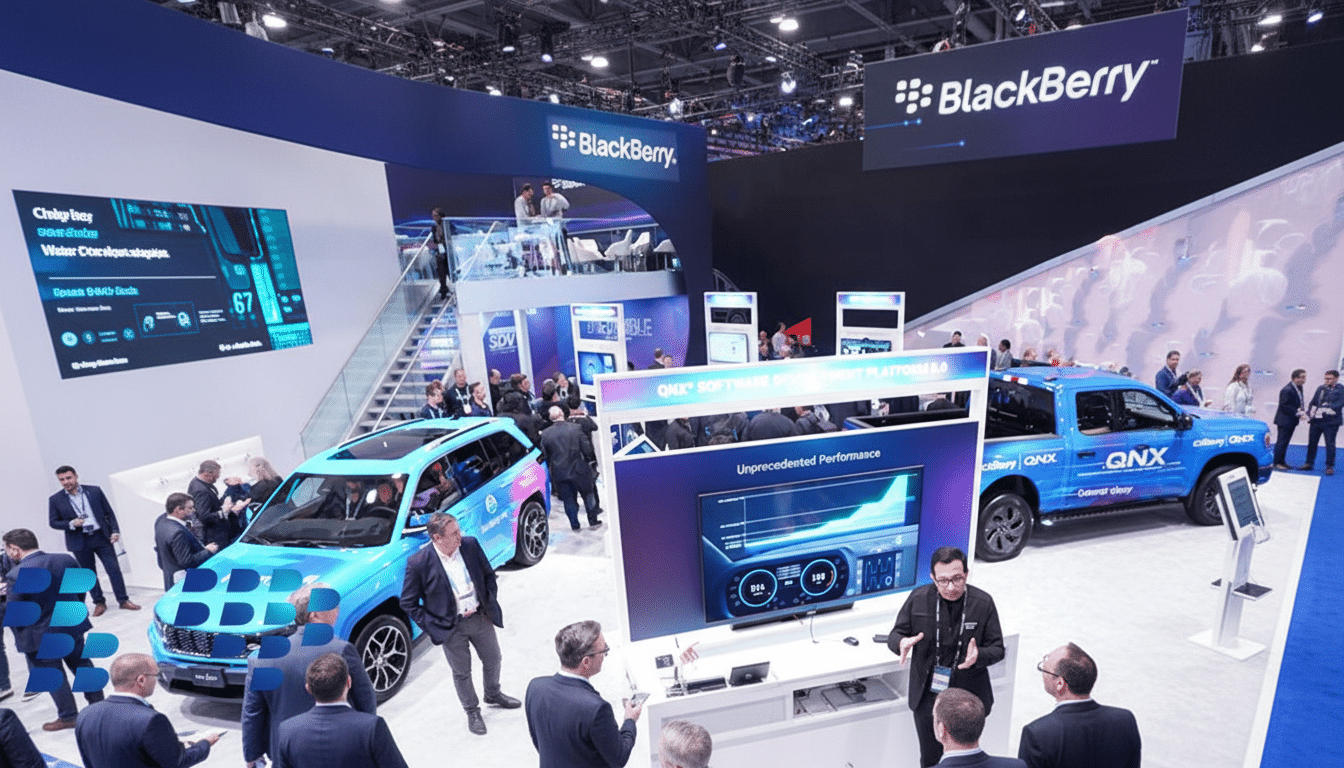
Automakers are racing to reinvent the car as an updatable software product, not just a hunk of hardware. Which means heavy CES spotlights on operating systems, over-the-air updates, and zonal architectures that consolidate dozens of electronic control units down to a few high-power domains. Suppliers like Bosch, Continental, and ZF will demonstrate building blocks; platform players including BlackBerry QNX, Google’s Android Automotive ecosystem, and Amazon’s Alexa Auto will court developers and brands.
The business case is compelling. McKinsey has said software-enabled services could release upwards of $200 billion-plus in annual revenue by 2030 and that software would account for about 30% of the value of the vehicle. Look for demos of things like upgradeable infotainment, in-cabin personalization, and feature bundles that can be flipped on after the sale—alongside the less sexy but arguably more essential plumbing: software bill of materials tracking, continuous integration toolchains, and cybersecurity compliance.
The tech stack is being regulated. UNECE R155 and R156 have made mandatory cybersecurity management systems and secure over-the-air updates in several markets, with ISO 26262 still practically holding the baton in functional safety. The downside for motorists: cars that get better over time; the trade-off: disputes over subscriptions and data collection, as well as ownership of digital features, will only evolve.
Expect Sony-Honda Mobility’s AFEELA initiative to return under the spotlight with a “pre-production” system perspective, and chip suppliers to put some flesh on the bones of compute roadmaps meant to support longer life cycles. This is the year SDV becomes not just a slide but something that looks like a product pipeline.
Agentic AI Emerges as the In-Car Copilot for Drivers
Agentic is a term we heard a lot at NeurIPS last year, sort of like Netflix’s “bounding box.” In this case, it refers to the broader category into which generative (not just reactive) AI falls. A system that can not only respond to an impetus (like controlling an avatar), but create such impetus based on what it knows or has learned.
We’ll have working demos before 2019 is over, I’m sure of it.
Imagine offering drivers an assistant that could automatically plan multi-stop routes around charging, precondition the battery and cabin in advance of arrival, then modulate energy use on-the-fly depending on traffic, weather, and how you drive. The cockpit turns into a conversation: drivers call out targets, and the car handles the rest.
We’ve seen the groundwork already. Mercedes has flown a large language model layer in its infotainment’s instrument, and several brands have experimented with AI-augmented voice. Look for deeper integration at CES: computer vision that integrates driver monitoring with navigation context, predictive maintenance that automatically schedules service, and safety layers of AI that amp up alerts if attention starts to slip.
Hardware will be ready. On the device side, NVIDIA’s automotive platforms, Qualcomm’s Snapdragon Digital Chassis, and Arm-based designs will be focused on reducing latency and limiting cloud costs through on-device inferencing. Automakers will belabor guardrails — privacy controls, explainable suggestions, and human override — because trust is the gating factor. J.D. Power studies for well over a decade have identified voice tech as one of owners’ top pain points, and the next wave isn’t going to do any better unless it’s easier, faster, and more accurate than what you already have in your pocket.
One quiet tell: partnerships. Look for announcements with mapping providers, utilities, and payments networks so that the assistant can book a charging slot, reserve parking, and pay tolls without driver micromanagement. The real signifier of progress isn’t simply smarter prompts, of course: it is doing work end-to-end.
EV Realism Is Behind Charging And Hybrid Focus
The electric car story is growing up. Following an exhausting cycle of frenzied timelines, automakers are recalibrating to demand that differs from region to region and use case. But CES will be all about the practical electrification: faster charging electronics, more 800-volt platforms, bidirectional power for home backup, and cost-effective chemistries like LFP and emerging LMFP for high-street cars.
Charging will be everywhere. Keep an eye out for ISO 15118 plug-and-charge demos, smart energy management that automatically shifts charging to more economical off-peak, and car-to-home integration with our inverter partners. Automakers will also tout heat pumps, more advanced battery management, and silicon-carbide power devices all aimed at shaving minutes off of charge stops and improving winter performance.
Hybrids won’t be shy. And while fleets grapple with emissions targets and cost efficiency, suppliers will display compact e-axles, dedicated hybrid transmissions, and control software that wrings more electric miles from smaller packs. According to the International Energy Agency, EVs represented 18% of global light-vehicle sales in 2023, and the next phase of development will depend on total cost of ownership (TCO), charging convenience, and availability of models — all three areas that CES tech addresses.
Detectors and chips complete the realism theme. Look for next-gen radar, camera, and lidar not just marketed toward autonomy but sturdy driver aids in poor conditions, as well as thermal management and manufacturing robotics that reduce the cost of EVs. CES is a supplier show at heart; this year, buyers actually have the upper hand.
The headlining cars are quieter, but the stakes are higher. And if CES pulls through on SDV maturity, trustworthy AI copilots, and faster, cheaper electrification, 2026 could be the year when the connected car finally feels complete.
