


Apple is said to be building a new AI wearable that clips onto clothing, a sign the race to define the post-smartphone assistant is shifting from apps to hardware. The Information reported that the device resembles a small pin and features cameras and microphones, placing Apple squarely in the emerging category of ambient, multimodal gadgets vying to become the next daily companion.
What the Rumored Lapel Device Could Include and Do
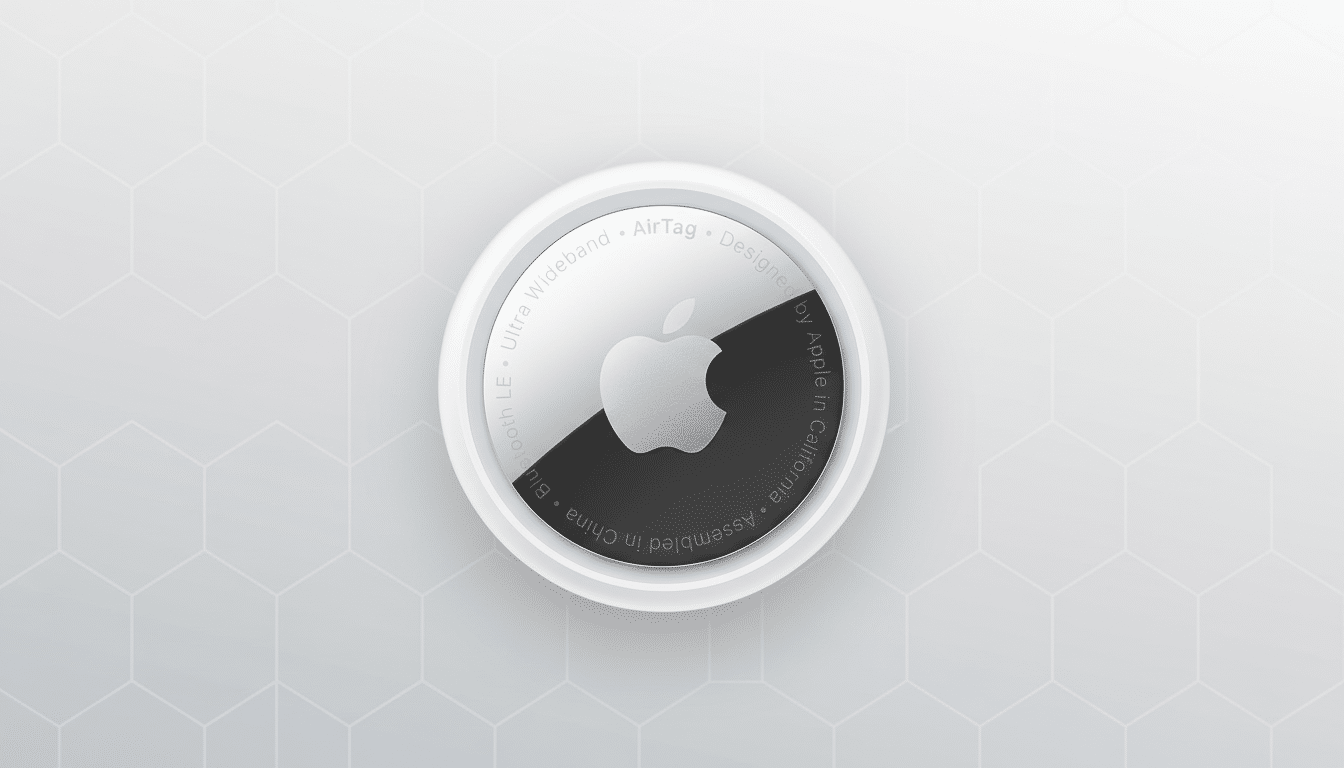
According to the report, Apple’s prototype is a thin, flat circular disc—aluminum and glass—roughly AirTag-sized but thicker. Engineers are said to be testing two onboard cameras, one standard and one wide-angle, along with three microphones, a speaker, a physical button, and a rear charging interface similar to fitness wearables.
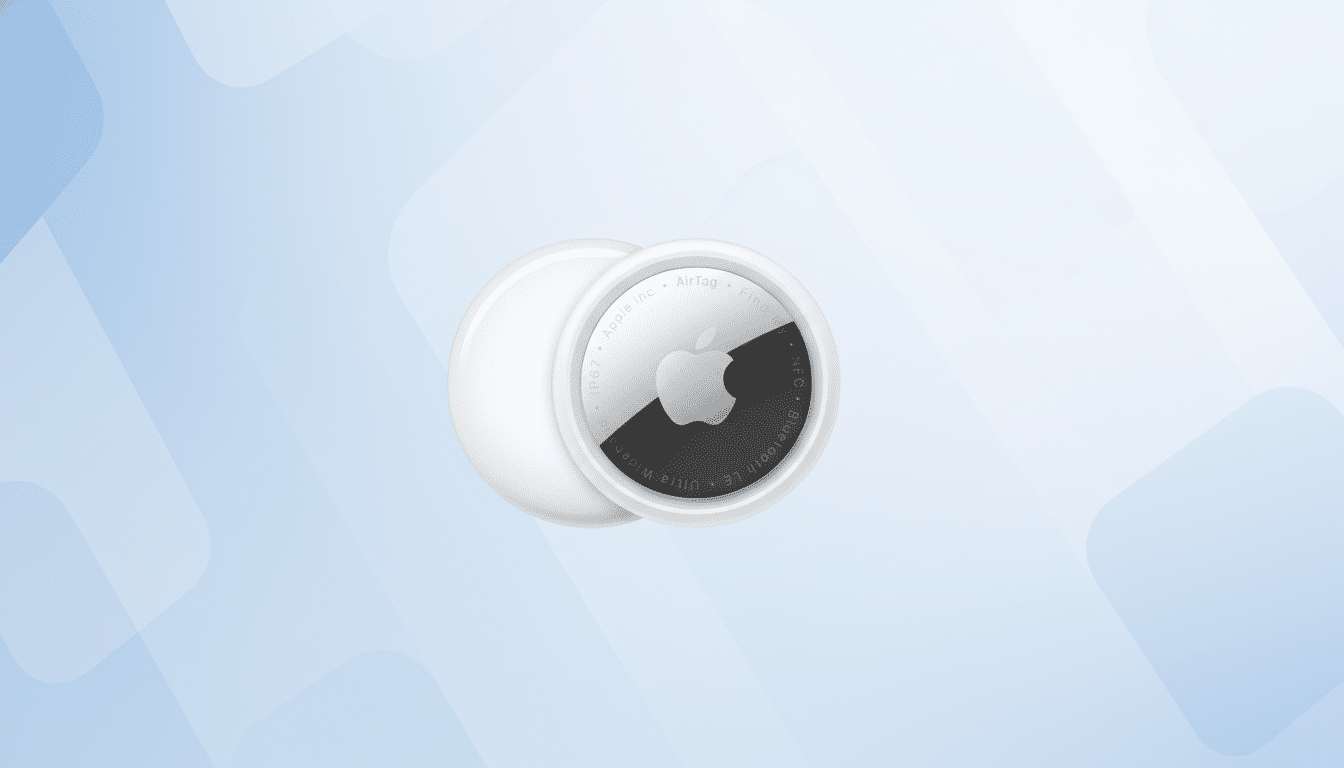
That sensor mix points to a lapel-level assistant designed to see and hear context: what you’re looking at, who’s speaking, and where you are. In practice, that could enable visual lookup for objects, real-time translation, meeting summaries gathered from ambient audio, or quick capture of photos and short video without pulling out a phone.
If it ships, expect tight integration with Apple Intelligence—Apple’s on-device AI initiative—and iCloud-based Private Cloud Compute for heavier tasks. The company has spent years cultivating on-device processing through the Neural Engine in A-series and S-series chips, which is well suited for wake-word detection, smart noise filtering, and lightweight vision models at low power.
Why Apple Wants a Lapel Assistant in This Moment
The timing aligns with a broader push into AI-first hardware. OpenAI has telegraphed a debut device for the second half of the year, with subsequent reporting hinting at an earbud form factor. Meta has shown the viability of camera-enabled wearables with its latest Ray-Ban smart glasses, which added multimodal AI features.
Apple also understands the category’s pitfalls. Humane’s AI Pin—built by former Apple veterans—combined a camera and microphones in a clip-on device but struggled with heat, battery life, accuracy, and value. Sales faltered and the company ultimately sold its assets to HP. The lesson is stark: ambient AI only works when utility, reliability, and discretion converge.
Apple’s advantage is ecosystem gravity. A wearable that hands off tasks to iPhone, Apple Watch, AirPods, and iCloud could use each device for what it does best—quick capture on the pin, notifications on Watch, private audio via AirPods, and heavy compute on phone or cloud—without forcing users into a new standalone platform.
Technical and Privacy Hurdles for a Clip-On AI Device
Battery and thermals are the hardest constraints. Continuous far-field listening, voice activity detection, and intermittent vision workloads can drain small cells quickly. Expect aggressive duty cycling, on-device summarization to reduce data transmission, and a split model design where only low-latency tasks run locally.
Vision on a body-worn camera also raises trust questions. Users need clear capture indicators, quick-disable controls, and tight data retention policies. Apple has leaned on hardware privacy cues before—such as camera LEDs and on-device processing for sensitive features—and will likely do the same here, with explicit consent prompts and transparent media pipelines.
Connectivity matters too. A lapel device must be resilient when the phone isn’t in reach. Apple could lean on Bluetooth LE Audio for constant, low-power links and UWB for precise handoffs with nearby devices, while caching requests for burst cellular relays through the iPhone. The result should feel instantaneous for simple commands and gracefully deferred for complex ones.
Market Context and Adoption Odds for Apple’s Lapel Pin
Wearables are one of consumer tech’s few steady growers. IDC estimated more than 500 million wearable devices shipped in 2023, led by hearables and watches with Apple at the top by revenue share. That base is a springboard: attach rates matter, and Apple’s ability to bundle services or features across Watch and AirPods could accelerate adoption.
But buyers are wary of novelty for novelty’s sake. Early AI devices this cycle faced returns and low engagement when they delivered little beyond a phone app. For Apple to buck the trend, the pin must offer repeatable daily wins—hands-free capture that beats a phone, proactive suggestions that are actually useful, and a price that feels additive rather than experimental.
A defensible value proposition might center on moments where phones are socially awkward or unsafe: cycling, commuting, cooking, or meetings. If Apple can show that a lapel assistant saves time in those contexts while respecting bystander privacy, it has a shot at mainstream appeal.
What to Watch Next as Signals Point to Ambient Wearables
Keep an eye on supply-chain chatter around compact camera modules, low-power NPUs, and magnetic charging accessories, as well as any developer-facing tools for multimodal input on iOS. Signals of deeper Siri upgrades and Apple Intelligence expanding to more languages would also tee up a wearable built around ambient assistance.
Apple has not commented on the report, and plans can change. Still, the contours make strategic sense: a quiet, context-aware companion that extends Apple Intelligence beyond screens. If executed well, a lapel pin could become the most personal Apple device yet—precisely because it stays out of the way.
