


Apple’s cryptic “special experience” invite has set off the usual flurry of supply-chain checks and analyst notes, and the consensus is forming around five likely reveals. Based on reporting from Bloomberg’s Mark Gurman, analysis from Macworld, and telltale inventory shifts at retailers, the lineup looks broad, spanning iPhone, iPad, and multiple Macs. Here’s what to watch and why it matters.
iPhone 17e Expected To Refine The Affordable Tier
Gurman reports Apple is preparing an iPhone 17e to replace last year’s budget model while holding its price point and adding the A19 chip plus MagSafe. Macworld suggests the A19 could be a “binned” variant with fewer GPU cores, paired with 8GB of RAM and possibly higher base storage—an incremental lift more than a clean-sheet rethink.
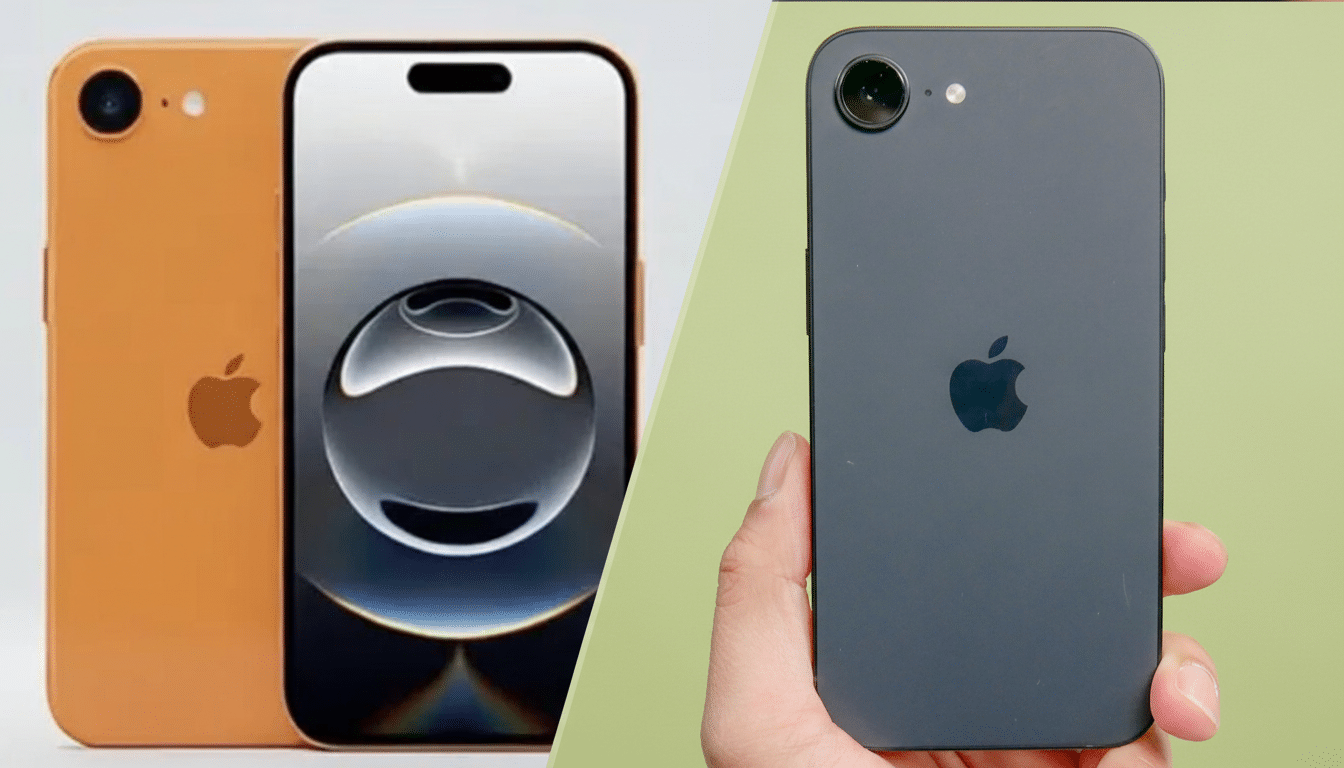
The strategic logic tracks. Consumer Intelligence Research Partners has consistently found that Apple’s lower-priced iPhones retain a meaningful slice of US sales, acting as entry ramps to the ecosystem. If A19 follows TSMC’s N3E process, as industry roadmaps indicate, expect better efficiency and a sturdier foundation for on‑device AI features without pushing the bill of materials too high.
Entry iPad Tipped For A18 And Apple Intelligence
The base iPad is widely expected to gain the A18, unlocking Apple’s newest on‑device intelligence features on its most affordable tablet. Don’t expect major design changes; the story here is capability trickling down. That democratization matters in classrooms and shared-home scenarios where price sensitivity is high but longevity is critical.
IDC data shows iPad remains the tablet market’s volume anchor, and Apple traditionally uses the base model to stabilize share. An A18 upgrade positions even the least expensive iPad for longer OS support and better battery life under AI-heavy tasks like transcription and image generation.
iPad Air Poised To Jump To M4 In Upcoming Refresh
Gurman also points to an iPad Air refresh with the M4, a move that narrows the gap with the iPad Pro and continues Apple’s silicon standardization. Beyond raw performance, the M4’s upgraded Neural Engine could bring faster on‑device inferencing, smoothing creative workflows in apps like Final Cut Pro for iPad and LumaFusion.
This shift aligns with Apple’s cadence: push the newest SoC to upper‑mid tiers earlier, then diversify Pro models around display, camera, and accessory ecosystems. For buyers, the calculus may tilt toward Air if the M4 lands without a commensurate price hike, especially for students and prosumers who don’t need a Pro’s display tech.
MacBook Pro 14 And 16 Likely To Get M5‑Class Update
Retail availability for current 14‑inch and 16‑inch MacBook Pros has tightened—often a prelude to refreshed models. Expect an M5‑class leap emphasizing CPU/GPU gains, a bigger Neural Engine, and efficiency wins that extend all‑day battery targets under sustained loads—think Xcode builds, multi‑layer timelines, and large local AI models.
Historically, Apple’s generation‑to‑generation single‑core uplifts are modest while multi‑core and GPU performance see larger jumps. If TSMC’s N3P node is in play, as TrendForce’s guidance suggests for next‑gen 3nm, pro users could see tangible improvements in thermals and sustained performance, not just peak benchmarks.
A New Sub‑$1,000 MacBook Could Target Education
The most intriguing rumor is a new MacBook priced under $1,000 and powered by an iPhone‑class chip instead of an M‑series processor. Gurman notes an aluminum chassis—achieved through a lower‑cost manufacturing approach—plus a display just under 13 inches and potentially multiple colorways aimed at students and enterprise fleets.
Swapping to an A‑series chip could slash costs, boost standby times, and simplify thermals, all without sacrificing everyday performance for web, docs, and video. It would also let Apple aggressively court districts and businesses now defaulting to Chromebooks and low‑end Windows laptops. The last time Apple kept a MacBook under the $1,000 line for long, it extended the platform’s reach in education for years.
What To Watch When The Lights Come Up At Apple’s Event
Even if only three or four of these products land, this would be Apple’s most hardware‑dense early‑year slate in recent memory. The key spec tells will be Neural Engine TOPS, base storage (128GB vs. 256GB), RAM on lower‑priced models, and whether Apple bumps display brightness on laptops without raising TDP.
For buyers, the calculus is simple: if you need Pro‑class sustained performance, hold for the new MacBook Pros; if you’re price‑sensitive, watch the rumored MacBook and iPhone 17e. And for anyone sitting on an older base iPad, the A18 upgrade could be the quiet workhorse that lasts years longer than it has any right to—precisely the kind of update Apple loves to slip into a packed show.
