


Apple is reportedly lining up an unusual one-two punch for its flagship laptops, with two MacBook Pro refreshes slated for the same year. The first wave is expected to be a routine silicon and spec bump, while a second late-year release could bring a substantial redesign, according to reporting from Bloomberg’s Mark Gurman.
If the plan holds, it would mirror a rare cadence Apple last pulled off in 2023, when it moved from M2 Pro/Max models early in the year to M3 Pro/Max models later. For buyers, that raises a new question: upgrade soon, or hold out for the big swing?
- What the Reporting Says About Apple’s MacBook Pro Plans
- Why Two MacBook Pro Refreshes in One Year Would Matter
- The Bigger MacBook Pro Revamp That Could Arrive Later
- How Apple’s Next Pro and Max Chips May Evolve This Year
- Key Supply Chain Signals to Watch for OLED and Chips
- What These Two MacBook Pro Updates Mean for Buyers
What the Reporting Says About Apple’s MacBook Pro Plans
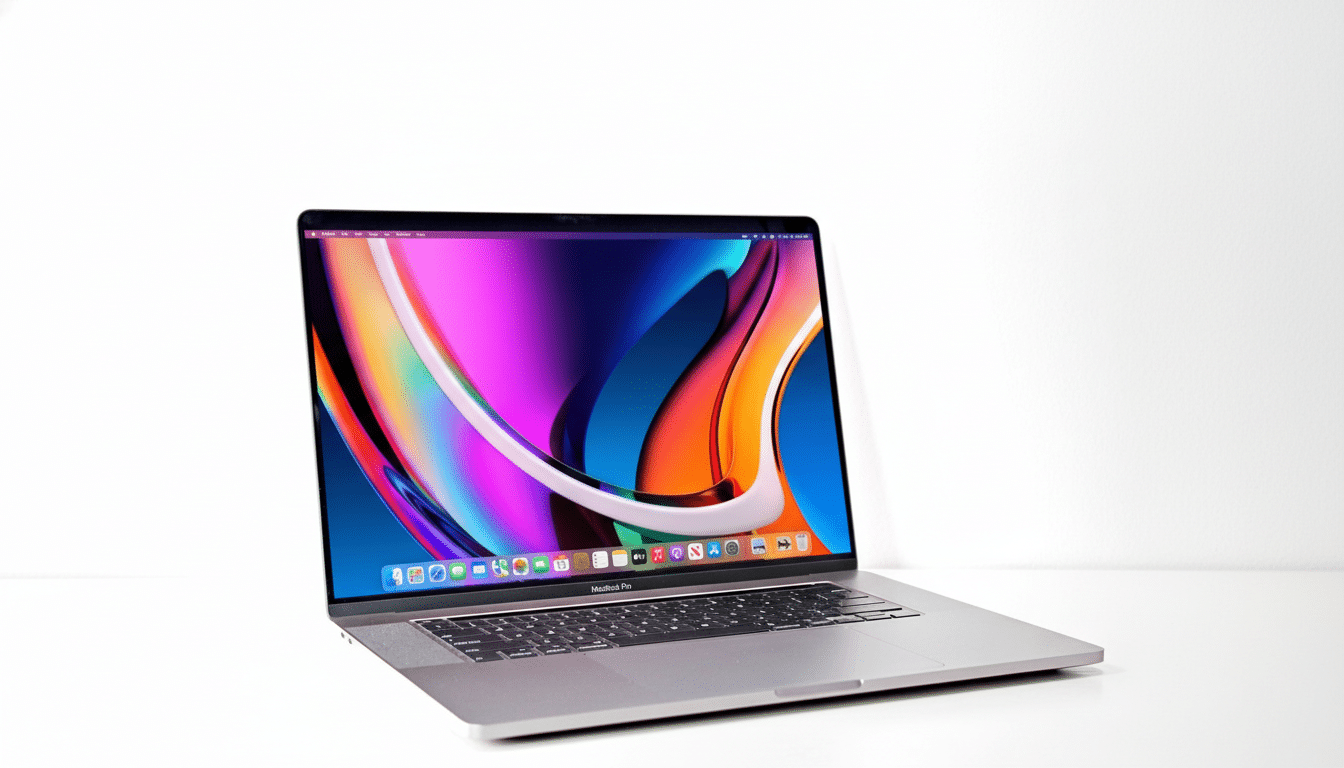
Gurman says Apple has new MacBook Pro, MacBook Air, and Mac Studio hardware “ready to go” for the first half, with Pro models expected to lead the line. The initial MacBook Pros are tipped to center on new Apple silicon—incremental gains in CPU/GPU performance, efficiency, and media engines—paired with familiar Mini‑LED displays and the existing industrial design.
The second act, targeted for late in the year, is positioned as a more ambitious overhaul. Among the possibilities: next‑generation Pro/Max chips, a move to OLED displays, touch input support on the Mac for the first time, and a redesigned camera cutout that echoes the iPhone’s Dynamic Island approach.
Why Two MacBook Pro Refreshes in One Year Would Matter
Two Pro refreshes in one year would signal an aggressive silicon and display roadmap. Apple’s transition to in‑house chips has shortened the time between meaningful performance jumps, and staggering a mid‑cycle spec update with a late‑cycle redesign would let Apple capture both immediate demand and pent‑up interest in larger changes.
Market watchers have seen this playbook energize sales before. Industry trackers like IDC have noted that tighter upgrade cycles can lift share in specific quarters, especially when major creators and developers refresh their machines in sync with new GPUs and media features.
The Bigger MacBook Pro Revamp That Could Arrive Later
OLED is the headline change. Unlike Mini‑LED, OLED can switch off individual pixels, delivering effectively infinite contrast and deeper blacks. Display Supply Chain Consultants (DSCC) has long pointed to OLED MacBook panels as a matter of “when,” not “if,” with suppliers such as Samsung Display and LG Display investing in tandem-stack OLED production lines tailored for laptops.
A shift to OLED could bring slimmer designs, finer HDR control, and smoother animations when coupled with ProMotion. Industry estimates suggest double‑digit power savings on mixed content, though all‑white productivity workloads can narrow those gains. Color‑critical users may also see more consistent Delta E performance across brightness levels compared to current backlit solutions.
The more controversial addition would be touch. Apple has historically kept touch for iPad and pointer input for Mac, citing ergonomics. Bringing touch to MacBook Pro would require thoughtful UI affordances in macOS, but Apple’s frameworks—Catalyst and SwiftUI—already support multi‑input app designs. Expect first‑party pro apps to lead the way with gesture zones and context‑aware controls.
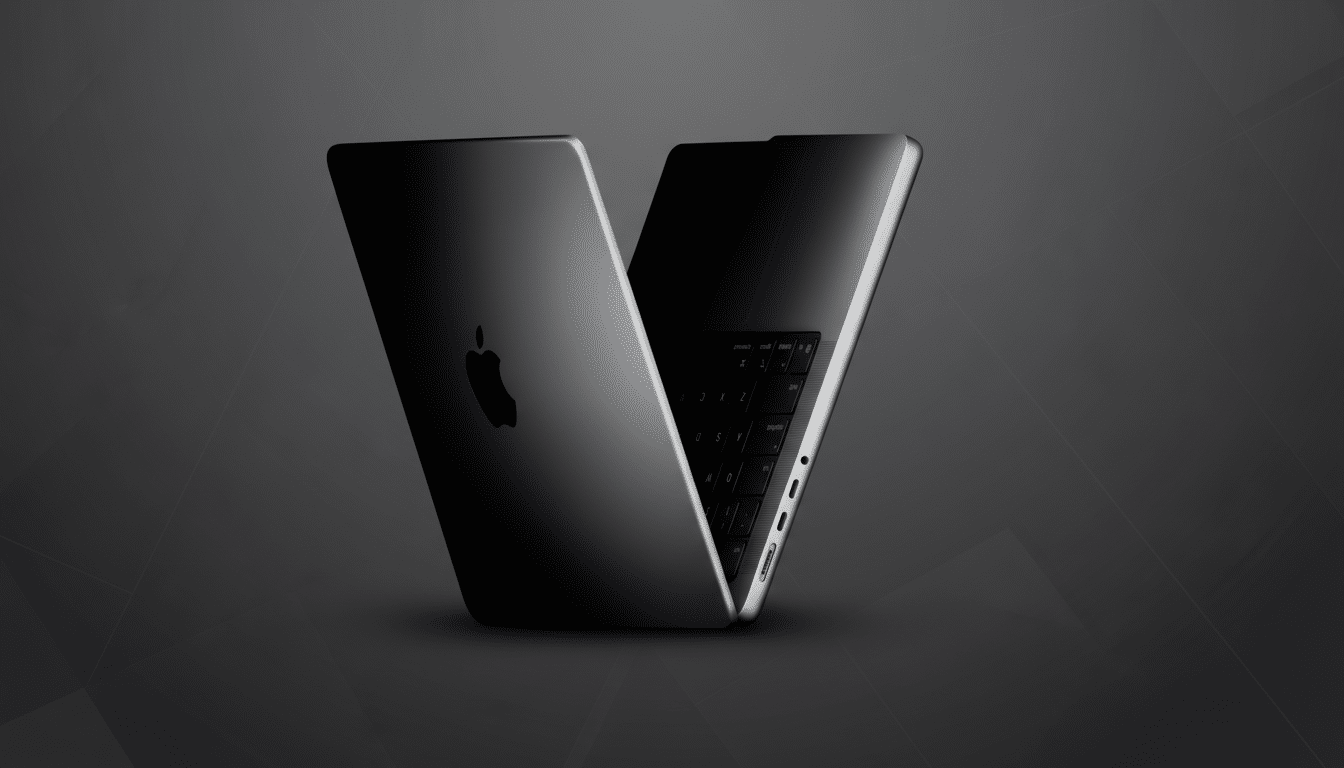
Camera changes are also on the table. Replacing the notch with a punch‑hole or Dynamic Island‑style cutout could free display real estate while enabling new status or camera indicators that align with how macOS surfaces system activities.
How Apple’s Next Pro and Max Chips May Evolve This Year
Each Apple silicon generation has brought steady gains in CPU efficiency, larger GPU core counts, and faster on‑chip memory. Recent chips also expanded hardware ray tracing and AI acceleration. A late‑year Pro/Max tier would likely push those fronts again, targeting creators working in 8K media, 3D workflows, and on‑device ML. Apple has leaned into NPU performance for video effects and audio isolation; expect that trajectory to continue.
Thermals remain a quiet differentiator. Pro laptops have more headroom than Air models, which lets Apple sustain higher clocks under load. Any chassis refinements tied to OLED could further influence sustained performance and fan acoustics.
Key Supply Chain Signals to Watch for OLED and Chips
Panel procurement is the tell. If DSCC and Asia‑based trade outlets report increasing OLED laptop substrate volumes at Samsung Display or LG Display, that’s a strong indicator of late‑year Mac plans. On the silicon side, look for foundry chatter around leading‑edge nodes and advanced packaging capacity, which tracks with Pro/Max chip ramps.
Accessory ecosystems can also leak timing. Case makers and display calibration vendors often prep SKUs months in advance when physical dimensions or panel tech change.
What These Two MacBook Pro Updates Mean for Buyers
If you need a machine now for production work, the first refresh is likely the safe bet: mature design, better performance‑per‑watt, and no workflow surprises. If you care most about display quality, touch, or future‑leaning pro features, the late‑year models sound worth the wait—especially for photographers, colorists, and developers who can exploit OLED and expanded AI acceleration.
Either way, a two‑stage strategy hints at a busy Mac roadmap. For Apple, it’s a chance to keep momentum across the entire year. For everyone else, it’s a sign that the MacBook Pro is about to change in visible—and touchable—ways.
