


Apple quietly pushed a rare update to a roster of decade-old devices, extending a critical digital certificate so iMessage, FaceTime, and device activation keep working past 2027. It’s not flashy and it doesn’t add features, but it lands squarely on one of Android’s soft spots: ultra‑long‑term support that preserves core functionality long after a product’s prime.
The move underscores a simple truth about modern phones: when certificates that authenticate secure connections expire, essential services can fail. Apple’s fix is effectively life support for aging hardware, ensuring these devices can still talk to Apple’s servers. In an industry obsessed with the next big thing, this is a decidedly unsexy update with outsized consequences.
What the update actually does to keep Apple services alive
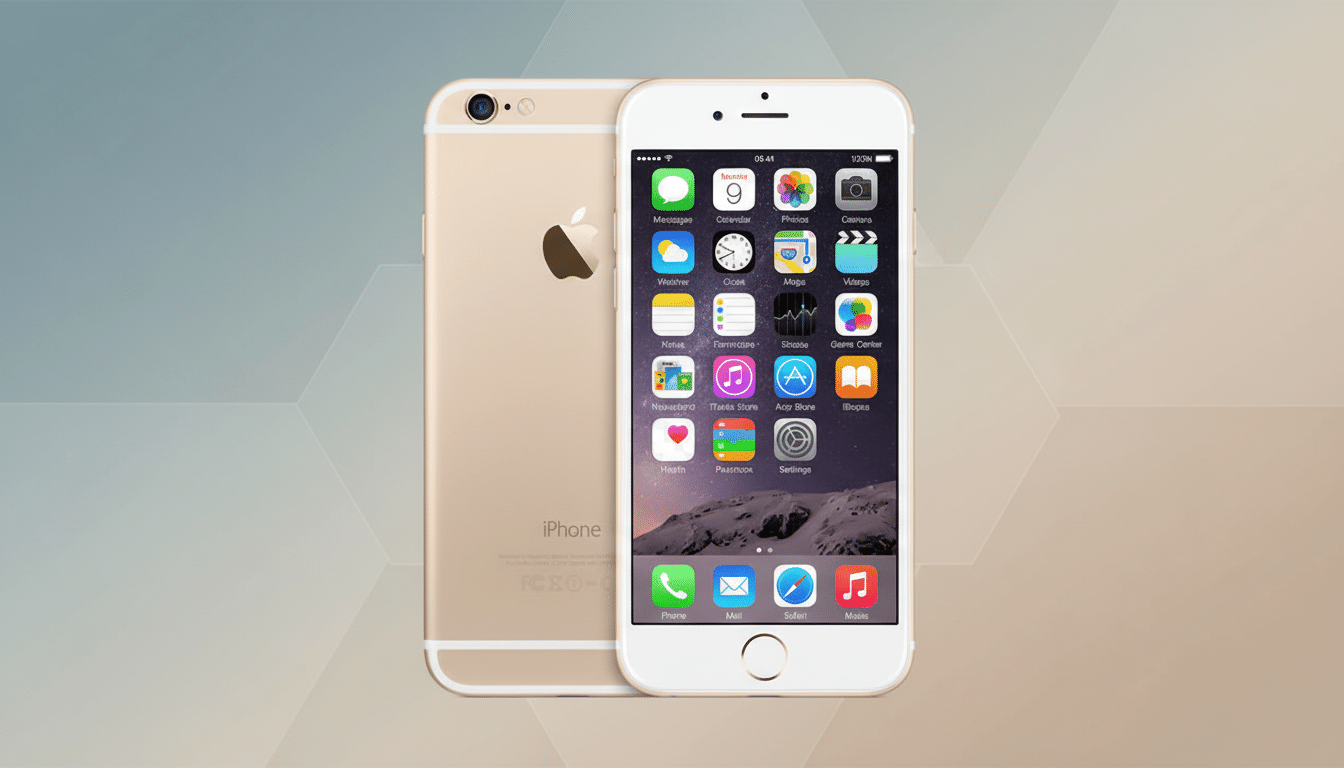
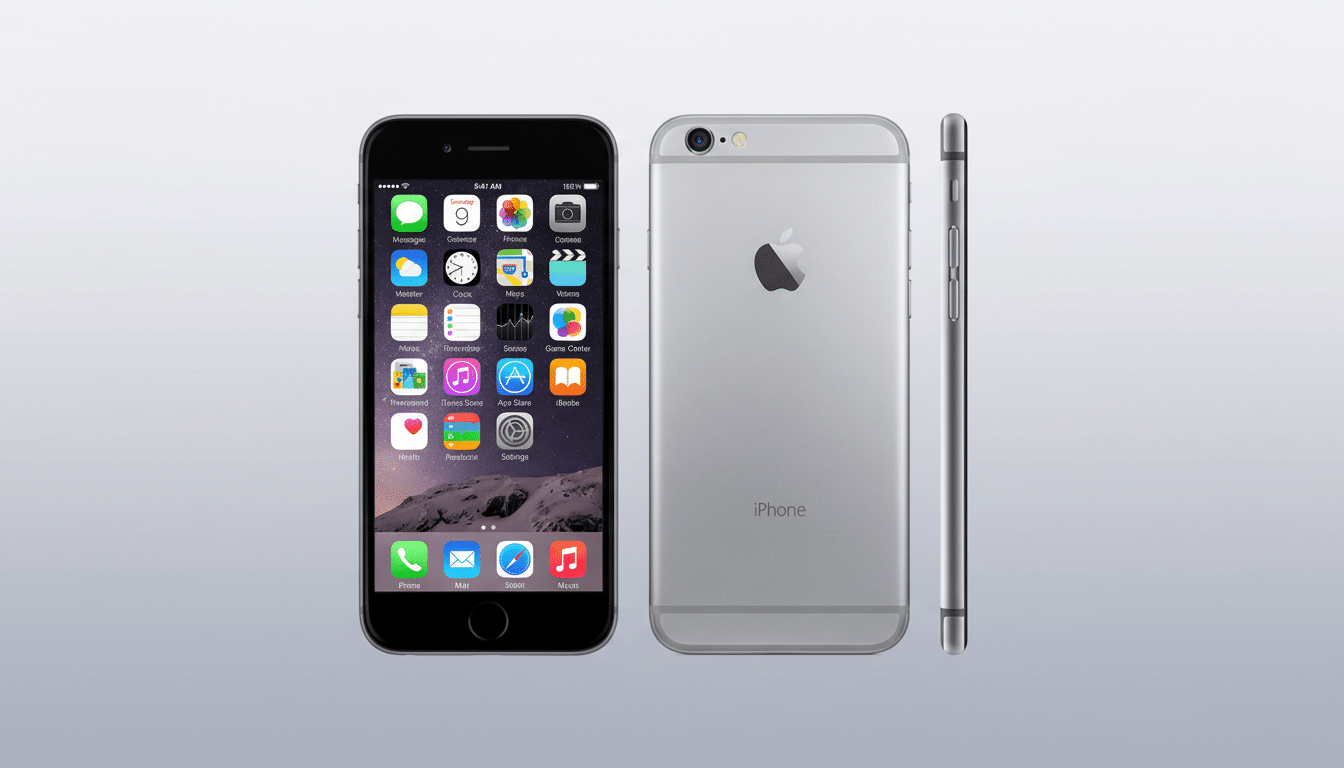
Apple released iOS 12.5.8 for legacy models including the iPhone 5s, iPhone 6 and 6 Plus, the original iPad Air, iPad mini 2 and 3, and the sixth‑generation iPod touch. The package updates a backend certificate that underpins secure access to Apple services. Without it, these devices would have gradually lost the ability to activate, message over iMessage, or place FaceTime calls once the old certificate expired.
Crucially, nothing else changes. These products remain on iOS 12, with the same performance limits and app compatibility risks that come with it. Many modern apps already target newer SDKs and won’t install. This update is about continuity, not capability.
Why this stings for Android and highlights support gaps
On paper, Android’s top players have raised the bar. Google and Samsung now promise up to seven years of operating system and security updates on their latest flagships, a major leap for the platform. But the long tail is where things unravel: devices from the iPhone 5s era—think Galaxy S4 or Nexus 5—stopped getting official vendor support many years ago, often even for basic trust store or certificate maintenance.
Android’s modularization efforts, like Google Play system updates and Project Mainline, can refresh security components on newer Android versions. Older models, however, are largely stranded if OEMs and carriers stop shipping maintenance builds. That’s where Apple’s vertically integrated model shows its edge: it can still push a narrowly scoped, infrastructure‑level fix to hardware from 2013 to keep essential services online.
Yes, power users can turn to custom ROMs on legacy Android phones, and those communities do remarkable work. But most consumers never unlock bootloaders or flash firmware. For them, a quiet, official update that preserves activation and messaging a decade on is the kind of reliability that builds trust—and it’s difficult for a fragmented ecosystem to match retroactively.
How device longevity pays dividends for users and resale
Keeping old devices functional ripples through the market. Counterpoint Research has reported sustained growth in the global refurbished smartphone segment, with Apple dominating the secondary market by a wide margin. When older iPhones keep core services alive, they remain viable as hand‑me‑downs, backup phones, or dedicated media devices, supporting that resale ecosystem.
There’s also an e‑waste angle. The United Nations has highlighted rising global electronic waste volumes, and extending device lifespans is one of the most straightforward mitigation levers. While a certificate extension won’t make a 2013 phone feel modern, keeping activation and messaging intact can delay disposal and keep more devices in productive use.
Keep expectations grounded about aging iPhones on iOS 12
It’s important to separate availability from usability. An iPhone 5s on iOS 12 won’t suddenly run the latest games, banking apps, or advanced cameras. Many services now require iOS 15 or newer. But for parents handing down a device, travelers needing a local SIM phone, or anyone with a drawer unit used for music and calls, the basics continue to work—now for several more years.
That pragmatic, infrastructure‑only approach is the point. Apple didn’t pretend these products were new again; it removed a looming failure mode. In doing so, it reminded the industry that support isn’t just feature updates—it’s also maintaining the plumbing.
The policy signal for Android OEMs on long-term support
The next frontier in Android support may be explicit, long‑horizon guarantees for trust store and certificate updates, separate from full OS upgrades. Google has made headway with modular components, but backporting this philosophy to pre‑Android 10 hardware is unrealistic. For newer devices, however, codifying a decade‑long plan for critical service continuity would go a long way toward narrowing the perception gap.
Regulators are already nudging in this direction. Policymakers in Europe have explored minimum software support periods for smartphones, and right‑to‑repair advocates argue that security and service guarantees should match hardware lifespans. Apple’s latest move gives proponents a tangible example: a minimal, targeted update that keeps essential services alive without overhauling the OS.
The bottom line: Apple just showed that even tiny, infrastructure‑level updates can matter enormously years down the line. For Android, the challenge isn’t only seven years of shiny new features—it’s designing a support runway that keeps the fundamentals working when devices hit year 8, 9, and 10.
