


Apple is weighing a second foldable device that looks a lot like the flip-style phones popularized by Samsung and Motorola, according to reporting from Bloomberg’s Mark Gurman. While Apple’s first foldable iPhone is said to be nearing the finish line, the company is now exploring a compact, square clamshell concept that would go head to head with the Galaxy Z Flip and Motorola Razr. The project is not locked, and Apple is reportedly waiting to see how its inaugural foldable lands before committing to a broader lineup.
What Apple Is Reportedly Building Next in Foldables
Gurman describes Apple’s second foldable under consideration as a “square, clamshell-style” phone. Internally, that would represent a shift from earlier experiments with a folding iPad and even earlier clamshell iPhone prototypes. The renewed interest in a flip device suggests Apple sees an opening in a category that has matured on the Android side with multiple iterations and clear consumer use cases.
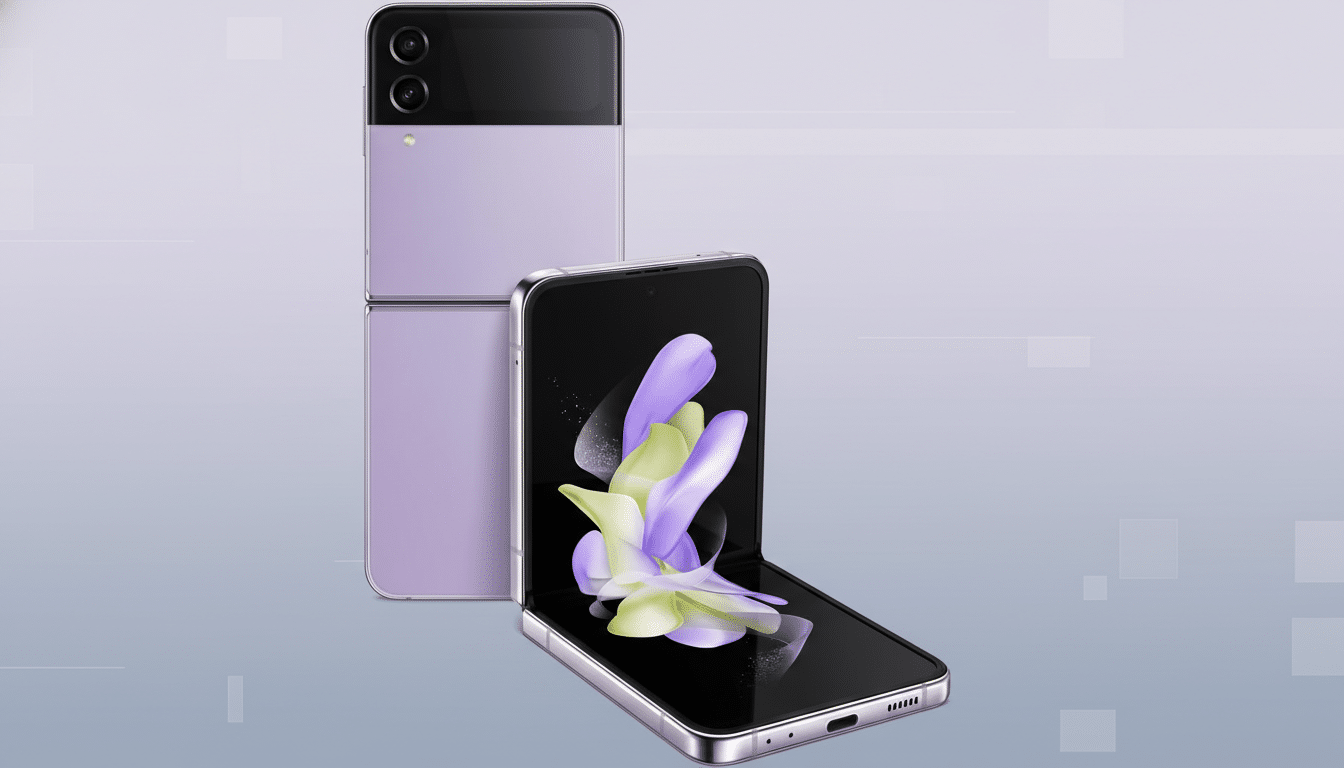
The company’s deliberations reportedly include a fallback toward a book-style foldable with a more traditional aspect ratio, similar to Galaxy Z Fold-class devices, if data shows stronger demand for larger foldables. Either way, the second model is not imminent. Apple’s decision hinges on the first foldable’s reception and whether it justifies expanding into multiple form factors.
Why a Flip Could Make Strategic Sense for Apple
Flip-style foldables have hit a price and portability sweet spot. Samsung’s Galaxy Z Flip has anchored the sub-$1,000 tier in many markets, and Motorola’s latest Razr models have focused on slimmer designs, larger cover screens, and aggressive promotions. Research from Counterpoint and IDC shows global foldable shipments have climbed from the low millions to the mid-teens in recent years, even as the category remains a single-digit share of the overall smartphone market. Within that growth, clamshells consistently pull strong volumes thanks to lower entry prices and pocketability.
Apple also dominates the premium segment, particularly in the United States, where its share regularly leads by a wide margin. A flip iPhone could translate that brand strength into a new form factor without the bulk and cost penalties that still challenge book-style devices. If Apple nails longevity, crease control, and app continuity on the small cover screen, a flip could quickly become the gateway foldable for mainstream iPhone buyers.
The First Foldable iPhone Likely Sets the Pace
The first foldable iPhone is rumored to feature a wider-than-usual design, with an inner panel around 6.5 inches and an outer panel near 5.5 inches. That footprint reportedly targets a passport-like grip and more natural video and reading layouts. Early whispers point to an A-series chip on par with the latest flagship iPhones and a restrained camera count to keep thickness and weight in check. As with any pre-production device, details can change, but the direction suggests Apple is prioritizing ergonomics and balance over spec-sheet excess.
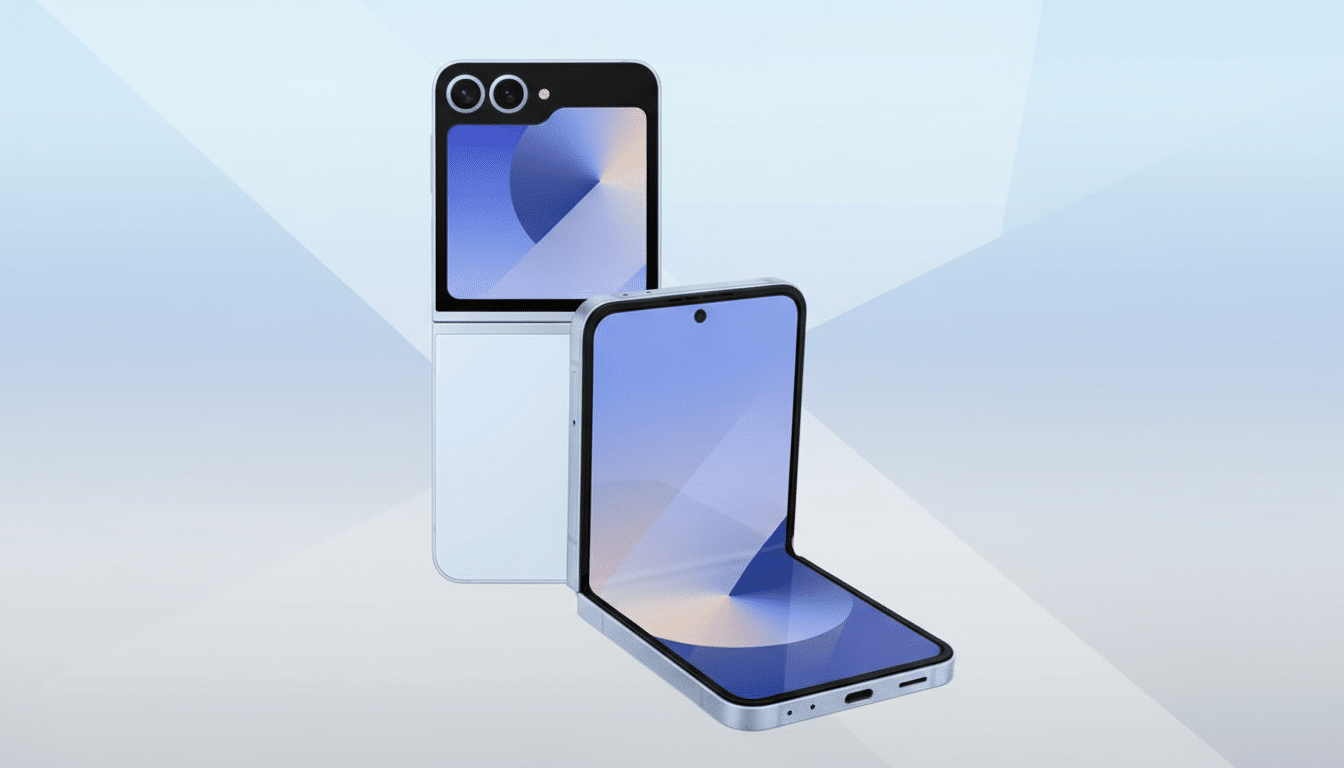
Software will be just as critical. Expect Apple to lean on continuity features across screens, refined split-view multitasking, and thoughtful use of the cover display for quick interactions. The company’s history with adaptive UI frameworks gives it an edge in ensuring third-party apps behave predictably as the device opens, closes, and rotates.
Suppliers and engineering hurdles for a flip iPhone
Display partners like Samsung Display and LG Display have invested heavily in ultra-thin glass, hinge durability, and crease mitigation. Recent panels use reinforced glass layers measured in microns and teardrop hinge geometries to reduce stress where the screen bends. Apple is known to push vendors for tighter tolerances, so expect a focus on hinge longevity, dust resistance, and minimized display wrinkling. Matching or beating the water resistance seen on top Android foldables would be a major milestone.
Battery life and thermals are also pivotal. A flip format offers less physical space than a book-style design, making cell capacity and heat dissipation trickier. Apple’s tight silicon integration and power management might help close the gap, but any flip iPhone will have to maintain everyday runtime parity with slab iPhones to win over cautious upgraders.
Signals to watch next as Apple weighs a flip iPhone
Because the clamshell project is not finalized, the clearest near-term indicator will be how Apple positions its first foldable iPhone. Pricing, weight, crease visibility, and repairability will reveal how aggressive the company intends to be. On the supply chain side, reports of increased foldable panel allocations or hinge component orders would hint at broader ambitions.
If Apple proceeds, expect the flip to emphasize feel and fashion alongside durability and camera performance, in line with how flips resonate today. Whether it lands as a companion to a book-style iPhone Fold or as the mainstream option, Apple’s entry would likely expand the foldable market and pressure rivals to accelerate design and software polish. For now, the message is simple but consequential: Apple is studying the flip playbook, and the next move depends on how the first foldable performs.
